The sharp rise in gasoline prices across global markets is putting renewed attention on the world’s largest oil producers. Yet major energy companies appear unwilling to dramatically increase drilling activity despite the opportunity for larger profits. Executives from several industry giants are instead emphasizing long-term stability, financial discipline, and cautious investment strategies. Meanwhile, geopolitical tensions continue to disrupt energy markets.
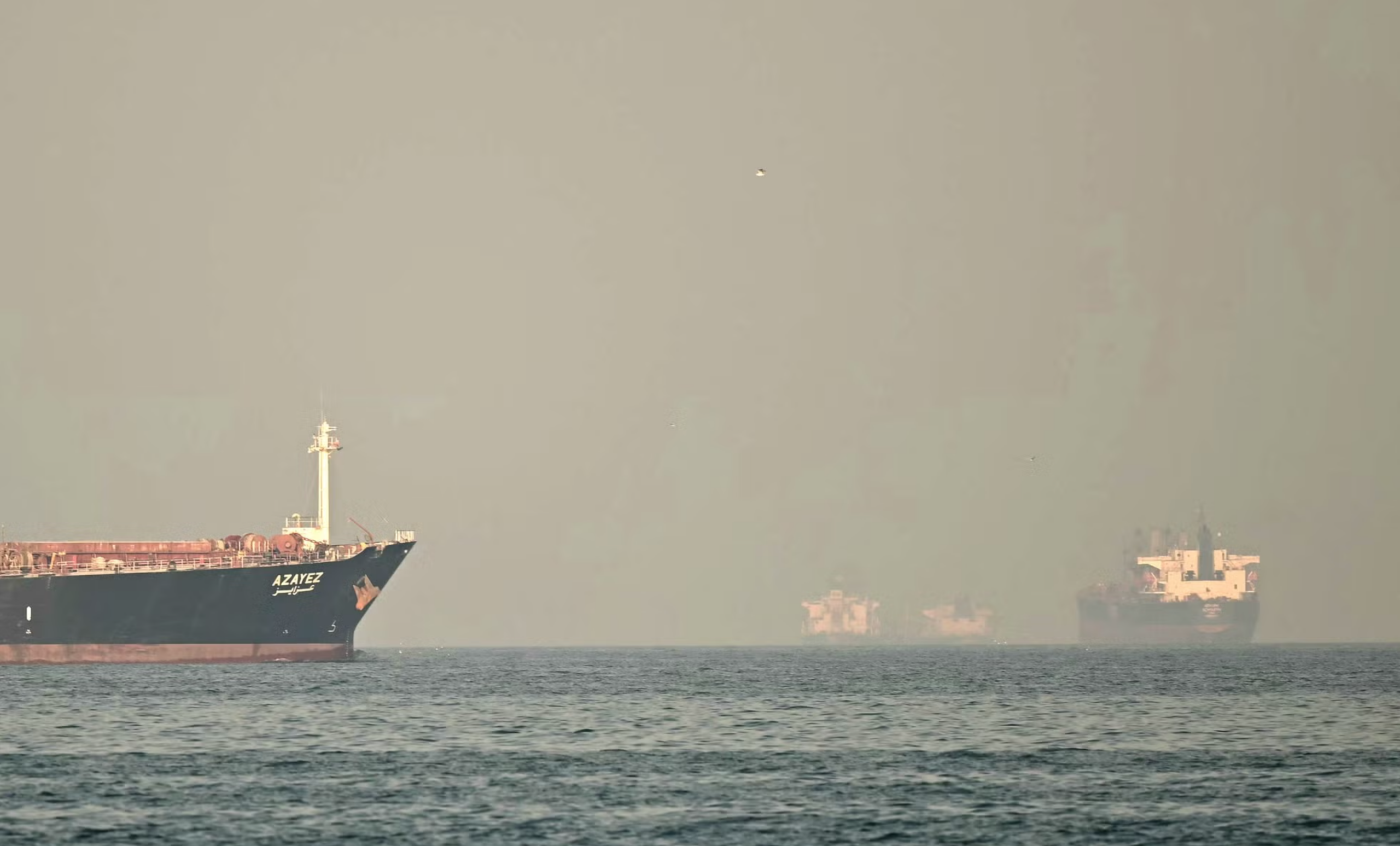
Recent instability in the Middle East, especially around the Strait of Hormuz, has pushed crude prices significantly higher. This has reignited fears of supply shortages in Asia, Europe, and North America. The narrow shipping corridor remains one of the most strategically important routes for global oil exports. Consequently, disruptions there have intensified pressure on governments and consumers already dealing with elevated transportation and manufacturing costs.
While many analysts expected higher prices to trigger a rapid increase in oil production, companies such as Chevron, ExxonMobil, and ConocoPhillips have largely maintained the same plans they established before the conflict escalated. Investors, who have spent years encouraging oil companies to focus on shareholder returns instead of aggressive expansion, continue to support this cautious approach.
Industry leaders argue that expanding drilling operations too quickly could expose companies to major financial risks if oil prices suddenly retreat in the coming months. Energy executives say the market remains highly volatile. Thus, long-term planning is difficult even as demand stays elevated.
Oil Companies Prioritize Stability Over Aggressive Expansion
Chevron CEO Mike Wirth recently summarized the company’s position by emphasizing consistency rather than reactionary growth. Executives across the energy sector have echoed similar messages during quarterly earnings calls. They have explained that the current geopolitical environment remains too uncertain to justify major new drilling campaigns.
Several firms continue investing in existing operations and infrastructure projects instead of launching large-scale expansion plans. Companies are particularly cautious about committing billions of dollars to projects. Furthermore, those projects may only remain profitable if oil prices stay above $100 per barrel for an extended period.
The broader energy market is also being shaped by pressure from shareholders demanding stronger returns through dividends and stock buybacks. Over the past several years, many institutional investors have favored restrained production growth rather than aggressive output increases. Higher output could weaken profitability.
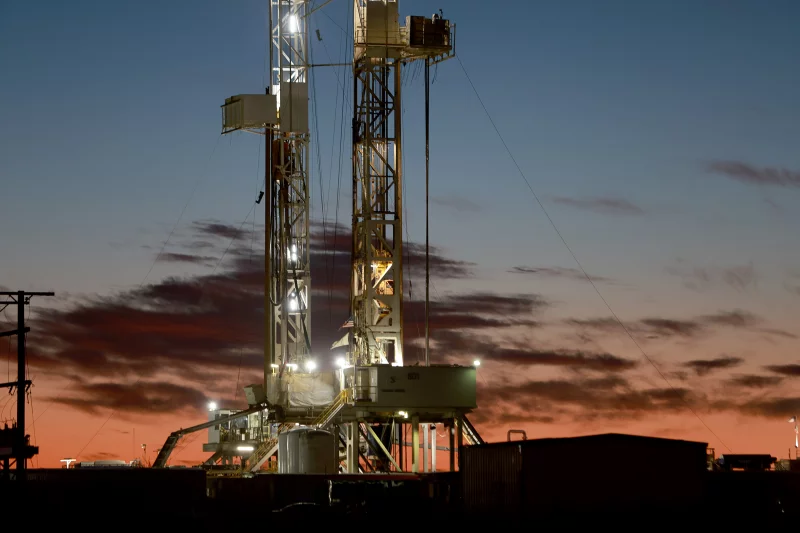
Analysts monitoring global energy demand note that production growth in the United States has already slowed compared with previous years. Although some drilling activity continues in major regions such as the Permian Basin, companies remain selective about where they deploy capital.
Executives also point to lingering concerns about inflation, labor shortages, equipment costs, and the possibility of future economic slowdowns. These factors have reinforced a more conservative industry mindset even as fuel prices continue climbing worldwide.
Middle East Tensions Intensify Pressure on Global Markets
The conflict involving Iran has added significant instability to international oil markets, particularly because of the strategic importance of the Persian Gulf region. Shipping disruptions and reduced tanker traffic through the Strait of Hormuz have limited global supply flows. Consequently, these issues have raised fears of prolonged shortages.
According to energy analysts, even relatively small interruptions in exports from the region can create major price spikes because global inventories remain tight. The uncertainty has pushed governments and central banks to closely monitor inflation risks tied to higher fuel and transportation costs.
Some energy companies have acknowledged that the situation could eventually force production adjustments if elevated prices persist. However, executives continue to avoid making rapid operational changes until there is greater clarity regarding the geopolitical outlook.
Meanwhile, attention has also turned toward Venezuela, where policymakers have discussed the possibility of increasing oil output with support from international companies. Yet many major firms remain hesitant because of past disputes involving contracts, asset seizures, and political instability.
Several executives have privately expressed concerns that large investments in Venezuela could expose companies to additional financial and regulatory risks. Despite rising prices, many producers still appear focused on preserving balance sheet strength rather than aggressively pursuing every new opportunity.
Financial markets have continued reacting sharply to each development connected to oil supply negotiations, military activity, and shipping disruptions. Traders remain highly sensitive to any indication that exports from the Middle East could face further interruptions.
Higher Oil Prices Boost Profits but Create Economic Risks
Although rising crude prices generally improve profits for energy companies, executives acknowledge that excessively high prices can also damage the broader economy. Persistent increases in fuel costs tend to raise inflation, weaken consumer spending, and increase operational expenses across nearly every industry.
This balancing act has become increasingly visible in quarterly earnings reports. Some companies have reported weaker short-term results because of accounting effects tied to oil trading contracts. Even so, underlying revenue from physical oil sales remains strong.
Executives at ExxonMobil and other firms explained that certain financial hedging strategies can temporarily reduce reported earnings during periods of rapid price increases. However, those paper losses are often offset later when physical oil deliveries are completed at higher market prices.
Investors are closely monitoring whether companies maintain their disciplined strategies or eventually respond to sustained price pressure with larger production increases. So far, the industry appears committed to avoiding the boom-and-bust cycles that previously created instability across energy markets.
At the same time, governments and policymakers continue searching for ways to stabilize fuel prices while supporting long-term energy security. Discussions involving energy infrastructure investments and alternative supply routes have intensified as global demand remains elevated.
Many economists warn that prolonged oil price spikes could slow global growth if inflation accelerates further. Companies throughout manufacturing, aviation, shipping, and logistics are already facing rising operating costs linked to energy expenses.
Investors and analysts are also paying close attention to production data published by organizations such as the U.S. Energy Information Administration, which tracks output trends, fuel inventories, and demand forecasts across international markets.