
The legal fight surrounding mifepristone, one of the medications most commonly used for abortion and miscarriage management in the United States, has entered another highly uncertain phase. This comes after a series of rapid court decisions created confusion for patients, doctors, pharmacies, and healthcare providers nationwide.
In recent days, a federal appeals court ruling temporarily reinstated older restrictions. These require patients to obtain mifepristone in person instead of through telemedicine consultations and mail delivery. The decision immediately triggered legal appeals from pharmaceutical companies and reproductive rights organizations. As a result, the Supreme Court temporarily paused the ruling for one week while the broader case continues moving through the judicial system.
That temporary intervention means patients in states where abortion remains legal can still receive prescriptions through telemedicine services for now. However, legal analysts warn that the situation could change again quickly. This depends on how the Supreme Court responds in the coming days.
The dispute has become one of the most significant abortion-related legal battles since the Supreme Court overturned Roe v. Wade. The case is not only reshaping access to reproductive healthcare but also raising broader questions. For example, it raises questions about the authority of federal agencies to regulate medications and healthcare standards nationwide.
Healthcare providers across the country say the uncertainty has complicated treatment decisions and increased anxiety among patients who rely on remote medical services. This is particularly true for those living in rural regions or states with strict abortion restrictions.
How Mifepristone Access Became a National Legal Battle
Mifepristone was first approved by the U.S. Food and Drug Administration in 2000 with rules requiring patients to obtain the medication through in-person visits. During the COVID-19 pandemic, however, federal regulators relaxed those requirements as telemedicine services expanded rapidly across the healthcare system.
The updated rules allowed patients to receive prescriptions remotely and obtain the medication through pharmacies or mail delivery. In recent years, telemedicine abortion services have grown substantially and now represent a significant percentage of abortion care nationwide.
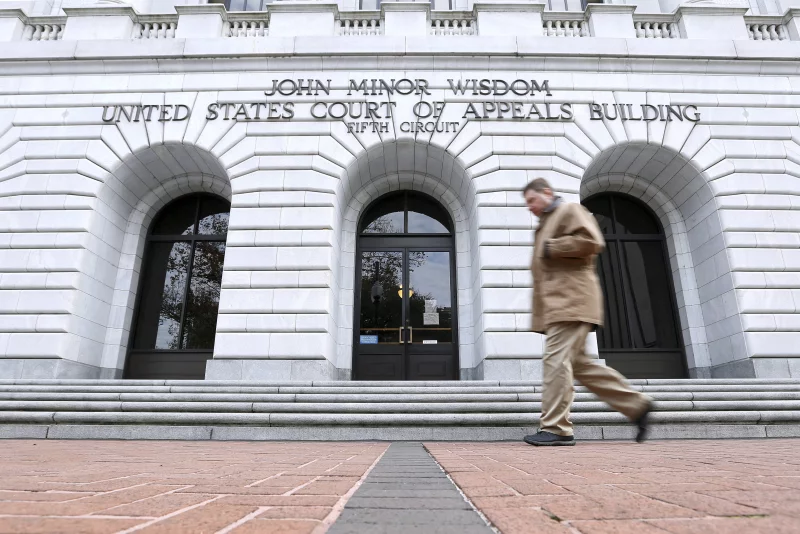
The current legal challenge originated in Louisiana, where state officials argued that easier access to abortion medication undermines state restrictions on abortion procedures. A federal appeals court agreed with portions of that argument. It temporarily reinstated nationwide in-person requirements for prescribing mifepristone.
Legal experts say the implications extend far beyond Louisiana because federal drug regulations apply nationwide. That means changes affecting mifepristone could impact healthcare providers and patients in every state regardless of local abortion laws.
Several Democratic-led states have supported efforts to preserve telemedicine access. They argue that states protecting abortion rights should not be forced to follow restrictions imposed by states with bans. At the same time, anti-abortion advocates continue pursuing new legal strategies. This comes after previous challenges against mifepristone failed in federal court.
The legal uncertainty has intensified debate surrounding the role of federal courts in healthcare regulation and the authority of agencies such as the FDA to determine medication safety standards. Former agency officials and medical organizations have warned that court intervention in scientific regulatory decisions could create long-term consequences. These consequences would affect the pharmaceutical industry and broader healthcare system.
Patients and Providers Face Growing Uncertainty
Doctors, clinics, and reproductive healthcare organizations say the rapidly changing legal environment has made it increasingly difficult to advise patients about their treatment options. For many individuals, especially those in rural areas or states with restrictive abortion laws, telemedicine services have become one of the few accessible methods for obtaining care quickly.
Medical providers note that timing is often critical during pregnancy-related care, particularly for patients managing miscarriages or seeking early abortion services. Delays caused by legal confusion can create additional medical, financial, and emotional stress.
Healthcare organizations monitoring reproductive health policy have emphasized that telemedicine access expanded healthcare availability for patients who previously faced transportation, scheduling, or geographic barriers. Remote consultations also became especially important for low-income families and individuals living far from clinics.
Some providers are now preparing contingency plans in case restrictions return. One alternative involves using misoprostol alone, another medication that remains legally available and can also be used for medication abortions. However, physicians say the single-drug approach may produce stronger side effects and longer recovery periods for some patients.
The uncertainty has also affected pharmacies and healthcare systems attempting to comply with shifting legal requirements. Medical professionals say rapidly changing rulings create operational challenges, especially when federal and state policies conflict.
Meanwhile, advocacy groups on both sides of the abortion debate continue mobilizing legal resources and public campaigns as the case gains national political attention ahead of the election season.
Supreme Court Decision Could Reshape Future Abortion Access
The Supreme Court’s temporary stay is scheduled to expire soon, leaving several possible outcomes on the table. The justices could extend the pause while appeals continue, permanently block the lower court ruling, or allow restrictions on telemedicine prescribing to take effect again nationwide.
Legal scholars believe the case could become another landmark ruling defining how abortion medication is regulated in the post-Roe era. Unlike earlier lawsuits that attempted to remove mifepristone entirely from the market, this case focuses specifically on distribution rules and remote access.
Analysts studying Supreme Court proceedings say the legal strategy behind the current challenge appears more narrowly targeted than previous cases. This could potentially increase its chances of surviving judicial review.
The political implications are also growing more significant. Abortion remains one of the most divisive issues in American politics, and the ongoing court battle is placing additional pressure on elected officials and presidential candidates. It forces them to clarify their positions.
President Donald Trump has faced criticism from both abortion-rights supporters and anti-abortion activists regarding his administration’s response to the legal dispute. Some conservative organizations have demanded stronger federal action restricting abortion medication access. Meanwhile, reproductive rights advocates continue warning that additional limitations could affect millions of patients nationwide.
Healthcare researchers and legal observers connected to abortion policy studies say the outcome of the case may ultimately influence not only medication abortion access. It may also affect future legal battles involving telemedicine, federal healthcare authority, and reproductive rights protections across the United States.