
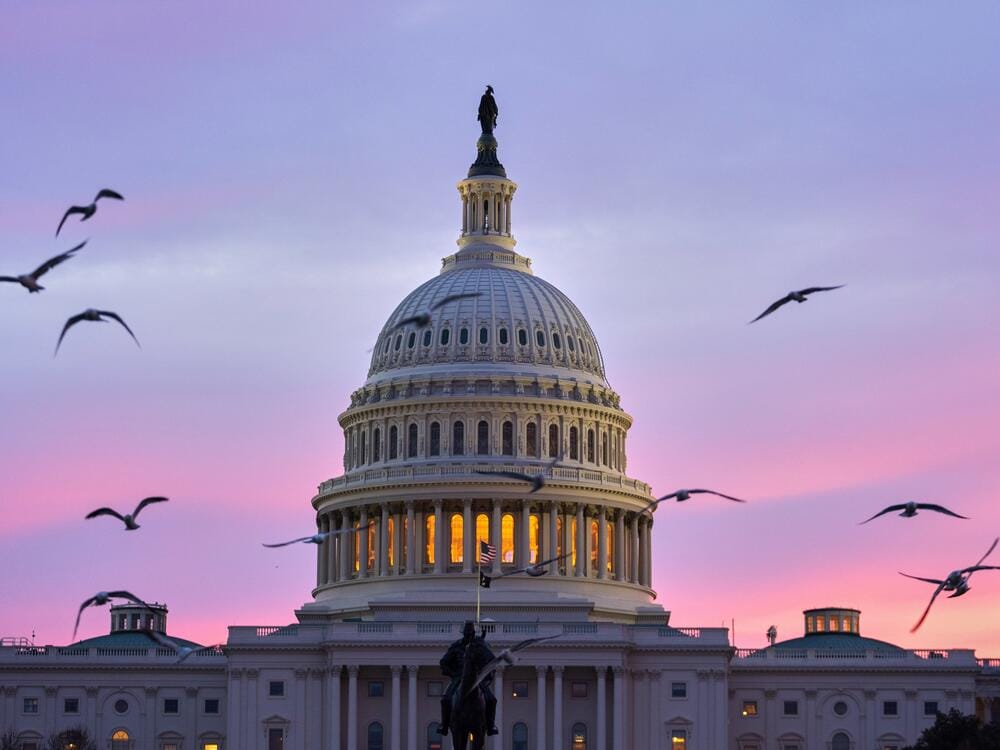
A new national survey highlights a rare point of agreement in American politics: voters across party lines increasingly believe that members of United States Congress should face age limits and term restrictions. The findings point to a growing perception that the country’s legislative body does not adequately reflect the demographics or priorities of its electorate.
Broad Bipartisan Support for Reform
According to the latest polling data, roughly 80% of Americans support implementing both age caps and term limits for lawmakers. Support spans political affiliations, with 78% of Democrats backing both measures, while 83% of Republicans favor age limits and nearly 90% support term limits.
This level of agreement is notable in a deeply polarized political environment, suggesting that concerns about leadership age transcend traditional ideological divides. The data also indicates that these views are consistent across demographic groups, including age categories, pointing to a shared sentiment that structural reform is necessary.
Experts such as Jean Twenge argue that the findings reflect broader societal changes, including longer life expectancy and shifting expectations around retirement and leadership. While older officeholders bring experience, many voters now question whether longevity in office continues to serve the public interest.
Generational Disconnect Driving Demand for Change
The issue of age in politics has gained prominence in recent years, particularly following high-profile leadership tenures involving older figures such as Joe Biden and Donald Trump. Their presidencies have intensified public debate about cognitive fitness, energy, and long-term leadership capacity.
On Capitol Hill, the age gap between lawmakers and the general population is significant. The median age of American workers stands at approximately 42, while members of Congress average 58 in the House and 65 in the Senate. Prominent figures such as Chuck Schumer and Chuck Grassley exemplify a leadership class that skews older than the population it represents.
For younger voters, this disparity contributes to a sense of political disconnection. Surveys indicate that a majority of individuals between 18 and 29 feel underrepresented and believe that younger candidates are often not taken seriously in national politics. This perception is fueling calls for generational renewal and broader inclusion in leadership roles.
Structural Challenges and Political Realities
Despite widespread public support, the implementation of age limits or term limits faces significant institutional hurdles. Any change would likely require constitutional amendments or major legislative reforms—steps that are difficult to achieve in the current political climate.
Additionally, some policymakers argue that voters already have the power to decide who serves in office through elections, raising questions about whether formal restrictions are necessary. Others counter that incumbency advantages and entrenched political networks make it difficult for new candidates, particularly younger ones, to gain traction.
The debate over age and tenure in Congress reflects deeper questions about representation, accountability, and the future direction of American governance. As public pressure grows, the issue may increasingly shape political discourse, even if concrete policy changes remain uncertain in the near term.