
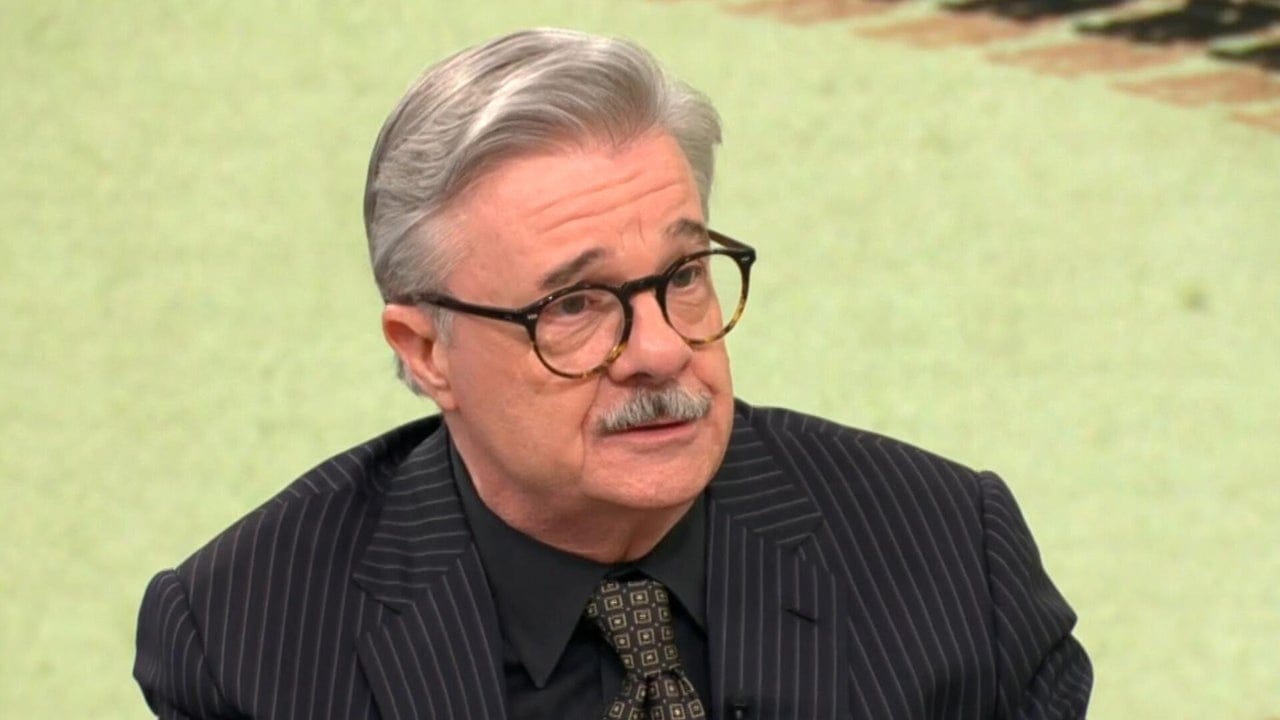
The acclaimed actor Nathan Lane has described his role in Death of a Salesman as the most rewarding performance of his career, marking a significant milestone in his evolution from comedy to drama. Known for decades as a leading figure in comedic theater and film, Lane has embraced a new chapter that challenges both his range and audience expectations.
A Transformative Role on Broadway
In the latest Broadway revival of Arthur Miller’s iconic play, Lane takes on the role of Willy Loman, a struggling traveling salesman grappling with failure, identity, and fading dreams. The character, widely regarded as one of the most complex in American theater, demands emotional depth and vulnerability—qualities that Lane has honed over years of experience on stage.
Performing in front of live audiences, Lane notes a striking difference from his previous comedic work. Rather than laughter, he now hears something far more powerful. He describes moments during performances when the theater falls silent except for the sound of audience members quietly crying. This emotional response underscores the enduring relevance of the play and its ability to resonate across generations.
Lane stars alongside Laurie Metcalf, adding further weight to a production that has drawn critical attention and audience acclaim. His portrayal of Willy Loman has earned him a Tony Award nomination, reinforcing his standing as one of Broadway’s most versatile performers.
From Comedy Icon to Dramatic Actor
For much of his career, Lane was best known for his work in comedies such as The Birdcage and the Broadway hit The Producers. His timing, charisma, and stage presence made him a standout performer in roles that emphasized humor and entertainment.
However, about a decade ago, Lane made a deliberate decision to pursue more dramatic roles. This shift was partly influenced by a critical profile in The New York Times that praised him as one of the greatest stage entertainers of his generation. While the recognition was positive, Lane interpreted it as a limitation, prompting him to seek roles that would expand his artistic identity.
This transition reflects a broader pattern among seasoned actors who aim to redefine their careers by embracing more complex and demanding material. For Lane, stepping into drama has provided not only professional growth but also a deeper connection to audiences.
Theater as a Shared Human Experience
Beyond the performance itself, Lane emphasizes the unique communal nature of theater. He describes it as one of the last spaces where people gather to share a collective emotional experience, بعيد from the distractions of modern life.
Drawing inspiration from conversations with figures like Sammy Wasson, Lane highlights the responsibility actors carry when they step onto the stage. He often reflects on the idea that somewhere in the audience, a young person may be inspired to pursue acting after witnessing a live performance.
This perspective reinforces the enduring importance of theater in contemporary culture. Even as digital entertainment continues to expand, live performance maintains a distinct power to connect individuals through shared emotion and storytelling.
Lane’s performance in Death of a Salesman not only represents a personal achievement but also serves as a reminder of the transformative impact of theater. By embracing vulnerability and complexity, he has redefined his career and reaffirmed the timeless relevance of one of America’s greatest plays.