US and Iran Move Closer to Extending Fragile Ceasefire
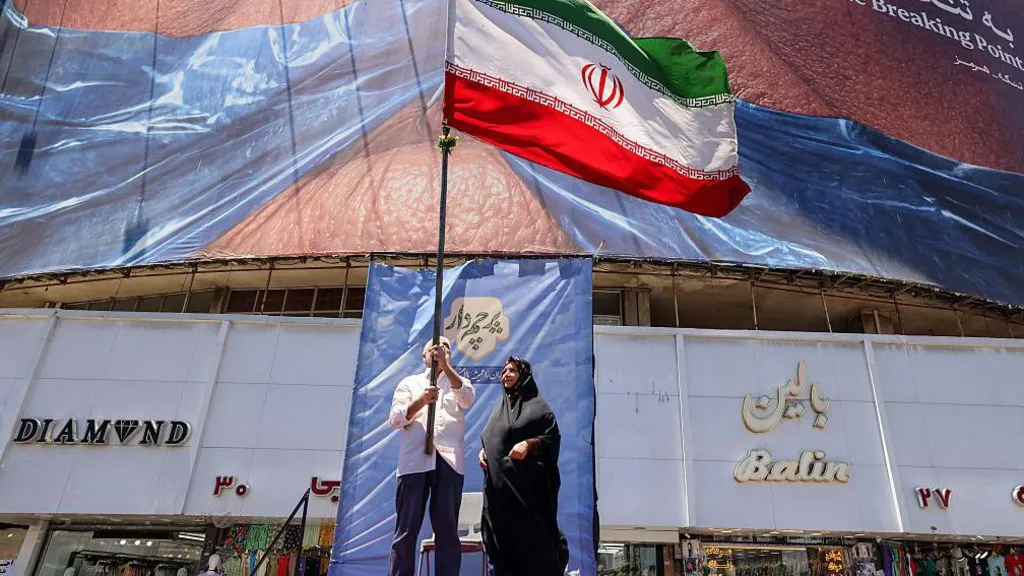
Negotiators from the United States and Iran have reportedly reached a preliminary framework aimed at extending the current ceasefire for an additional 60 days, creating a potential opening for broader diplomatic discussions surrounding Iran’s nuclear program and regional security issues.
Although officials involved in the talks described progress as significant, the proposed agreement still requires approval from both President Donald Trump and Iran’s leadership before it can formally move forward. The uncertainty surrounding the proposal has intensified speculation across diplomatic circles, especially as tensions in the Middle East remain unstable following weeks of military escalation.
Conflicting reports emerging from Tehran have complicated the situation further. Iranian political sources suggested that discussions are still ongoing and that no final agreement has yet been confirmed. Meanwhile, officials in Washington continue emphasizing that negotiations remain highly sensitive and subject to rapid changes depending on military developments in the region.
The ceasefire itself has faced repeated challenges since taking effect in early April. Both sides have accused one another of violating terms of the agreement, while military activity has continued near strategic areas connected to shipping and energy infrastructure. Recent statements from the White House indicated that diplomatic efforts remain active despite growing concerns surrounding regional instability.
Nuclear Negotiations and Oil Trade Become Central Issues
At the center of the negotiations is the future of Iran’s nuclear program, including discussions about highly enriched uranium stockpiles and possible international monitoring mechanisms. Diplomats involved in the process are reportedly attempting to create conditions that would allow technical negotiations to continue without triggering another wave of military confrontation.
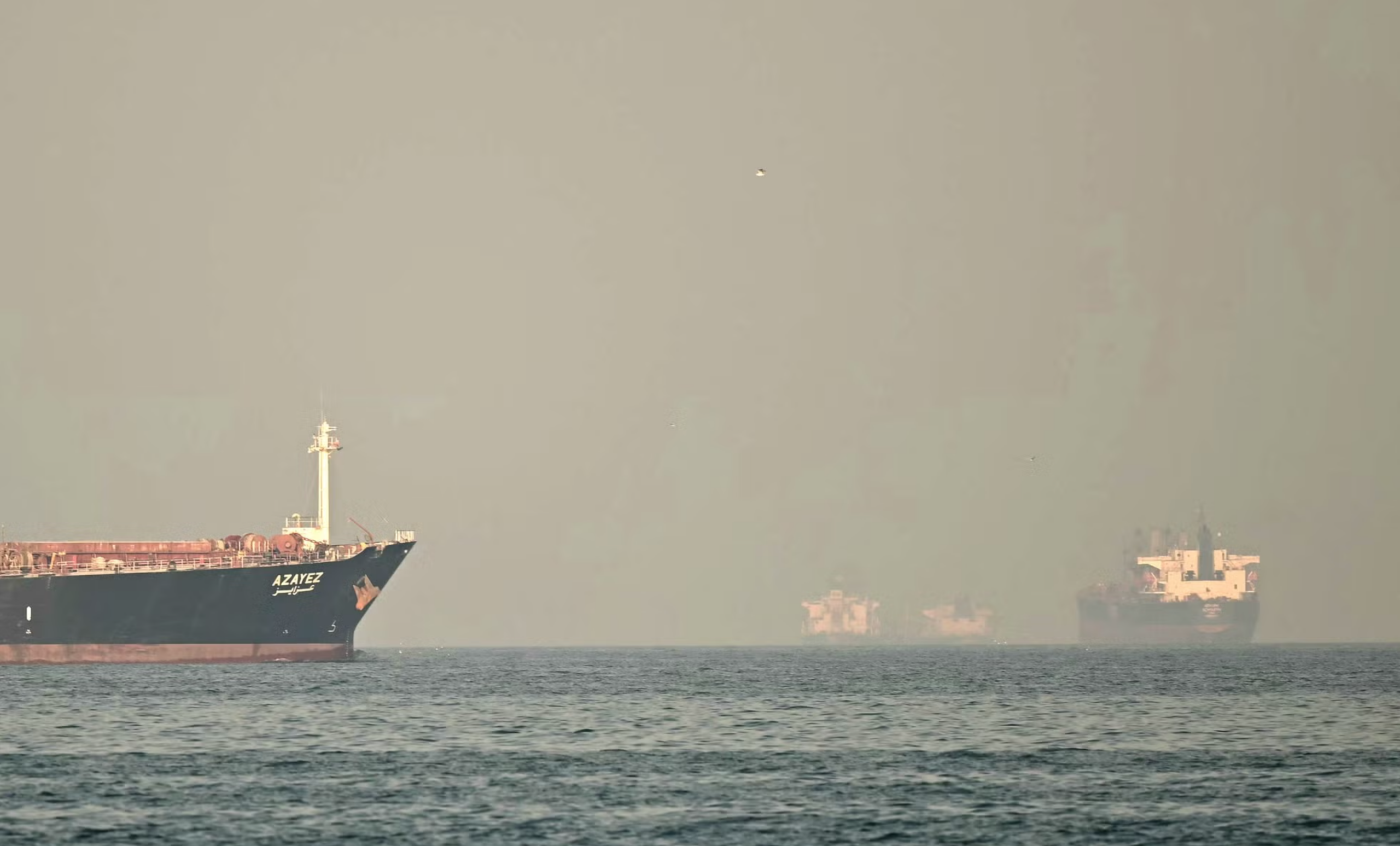
Economic considerations are also playing a major role in the talks. Reports circulating among regional officials suggest that the United States may consider easing certain restrictions affecting Iran’s oil exports if negotiations continue progressing. Such a move could have major consequences for global energy markets, particularly because the Strait of Hormuz remains one of the world’s most important maritime trade routes.
The strategic waterway handles a significant share of global oil and liquefied natural gas shipments, making stability in the region critical for international commerce. Ongoing disruptions around the Strait have already raised concerns among energy analysts and shipping companies monitoring conditions through organizations such as the International Monetary Fund, which has repeatedly warned about the economic risks associated with prolonged regional conflict.
Military tensions nevertheless remain a serious concern. Iranian forces recently claimed responsibility for targeting a US military installation in response to additional American strikes conducted in southern Iran. These developments reinforced fears that even limited diplomatic progress could collapse if military operations intensify again in the coming days.
Trump Administration Weighs Final Decision on Agreement
President Trump has continued publicly signaling that negotiations are moving in a positive direction while simultaneously warning that military options remain available if discussions fail. Administration officials have repeatedly stated that any long-term agreement must address concerns surrounding nuclear development, regional security threats, and maritime stability.
During recent government meetings, Treasury Secretary Scott Bessent declined to confirm whether a finalized agreement had already been reached, stressing that ultimate authority remains with the president. Officials familiar with the process indicated that Trump may take several days before deciding whether to approve the proposed framework.
If accepted, the agreement would create an opportunity for American and Iranian negotiators to begin tackling far more complicated technical issues, particularly those involving uranium enrichment levels, sanctions relief, and oversight procedures linked to international nuclear regulations monitored by the International Atomic Energy Agency.
The possibility of restoring unrestricted maritime traffic through the Strait of Hormuz has also become one of the most closely watched aspects of the negotiations. Shipping companies, financial markets, and foreign governments continue monitoring developments carefully because any disruption in the area could directly impact global fuel prices and international trade flows. Strategic assessments published by the Council on Foreign Relations have highlighted the broader geopolitical risks tied to continued instability between Washington and Tehran as diplomatic negotiations enter a critical stage.