Trump Administration Faces Questions Over Unfunded Plan to House 6,000 Homeless Veterans
The Trump administration is facing growing criticism after its proposed federal budget failed to include funding for a major initiative that promised housing for 6,000 homeless veterans in Los Angeles. The pledge, announced through an executive order tied to the West Los Angeles Veterans Affairs campus, had generated significant optimism among veterans groups and housing advocates who hoped the long-troubled property would finally become a large-scale solution to veteran homelessness.
Instead, the absence of new funding has sparked concerns in Congress, confusion among advocacy organizations and renewed debate over the federal government’s long-term strategy for addressing homelessness among military veterans.
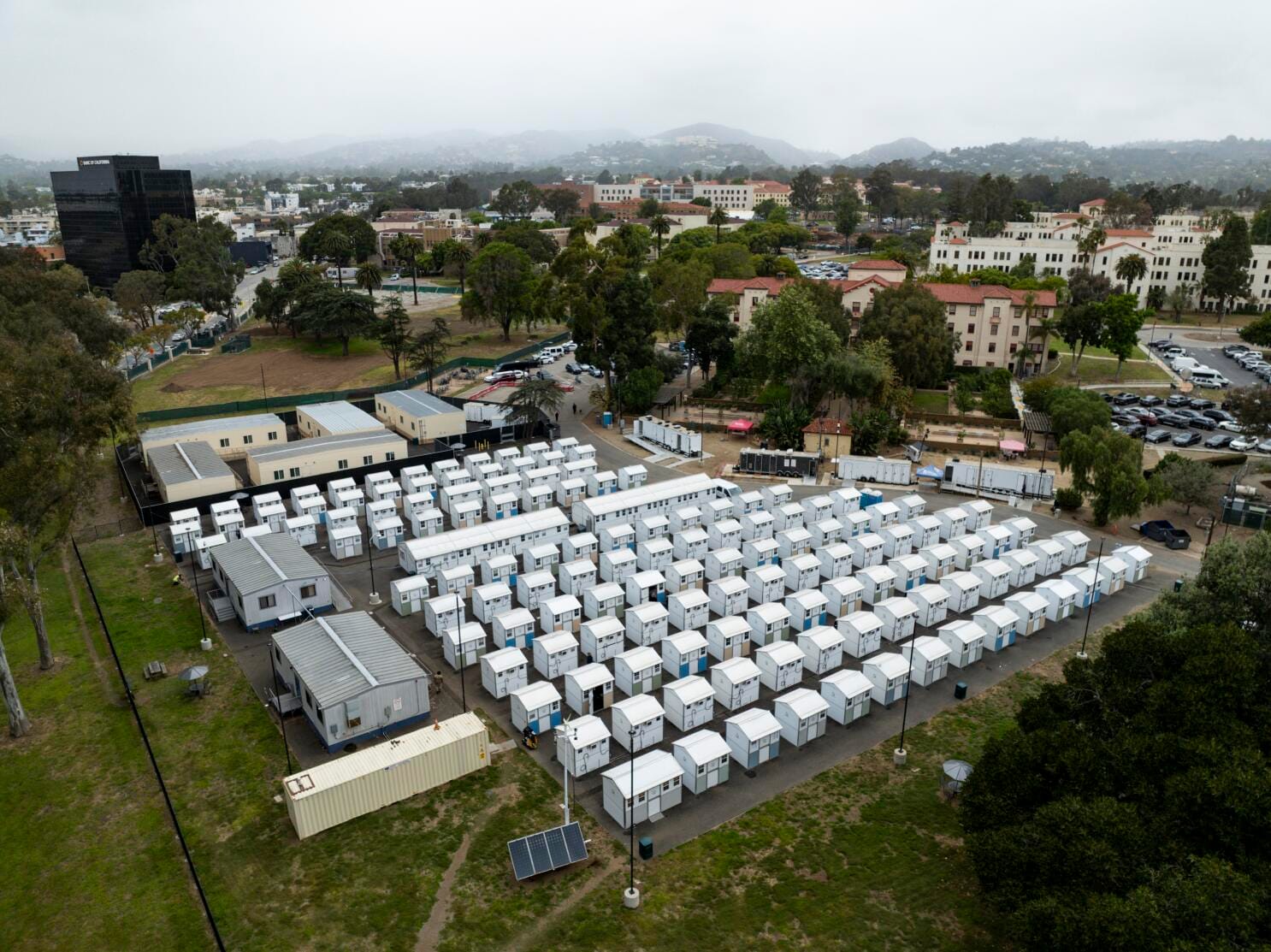
At the center of the discussion is the historic West Los Angeles VA campus, a 387-acre property originally designated for veterans in the 19th century. Over the decades, the campus has become symbolic of both the successes and failures of the nation’s efforts to support former service members struggling with mental health conditions, addiction and housing insecurity.
Veterans advocates say the issue extends beyond politics. For many former service members, stable housing can determine whether they recover from trauma or remain trapped in cycles of homelessness, substance abuse and unemployment.
Readers interested in veteran services and housing initiatives can learn more through U.S. Department of Veterans Affairs, National Coalition for Homeless Veterans, HUD Veterans Affairs Supportive Housing Program and Disabled American Veterans.
Veterans Continue Facing Housing and Mental Health Challenges
Many veterans living at or connected to the West Los Angeles VA campus have experienced years of instability before finding assistance through government programs. Former Iraq War servicemember Vincent Tourville represents one example of how housing programs can dramatically alter a veteran’s life trajectory.
After returning from military deployment in Iraq in 2009, Tourville struggled with severe emotional distress later diagnosed as combat-related post-traumatic stress disorder. He traveled across the country while dealing with addiction, homelessness and untreated mental health issues before eventually arriving at the West Los Angeles VA campus.
Like many veterans experiencing homelessness, his recovery process involved multiple stages of assistance. Programs on the campus first provided a safe place to sleep in his vehicle before transitioning him into temporary housing, mental health support and eventually permanent housing assistance.
Veterans advocates often argue that these layered support systems are essential because homelessness among former military personnel is frequently connected to deeper psychological and financial challenges. Mental health treatment, addiction recovery services and employment support are often necessary alongside housing initiatives.
However, despite progress made on the campus in recent years, residents and advocates continue reporting serious concerns regarding living conditions, staffing shortages and safety issues. Complaints involving pests, drug activity and deteriorating facilities have continued fueling criticism of how the property is managed.
The situation reflects broader national challenges facing the Department of Veterans Affairs as it attempts to balance aging infrastructure, rising demand for services and increasing public pressure to reduce veteran homelessness.
Congress Questions Lack of Funding Behind Trump’s Housing Promise
The Trump administration raised expectations among veterans organizations after announcing plans to establish a National Center for Warrior Independence at the West Los Angeles campus. The proposal included a pledge to house 6,000 homeless veterans, a figure that immediately attracted national attention because of its unprecedented scale.
Yet lawmakers from both political parties have since questioned how the administration plans to accomplish the goal without dedicated funding in the proposed federal budget.
During recent congressional hearings, members of the House Veterans Affairs Committee criticized delays in providing detailed plans and raised concerns about staffing shortages already affecting the campus. Some lawmakers warned that concentrating thousands of vulnerable veterans in one location without sufficient support services could create major public safety and health risks.
Representative Mark Takano expressed concern that current staffing levels are already inadequate for existing housing operations. Legislators also questioned why the administration appealed legal rulings related to expanding housing on the campus despite publicly supporting the initiative.
The proposed 6,000-bed target has also generated skepticism among homelessness experts. The number reportedly exceeds the total homeless veteran population in Los Angeles and is significantly larger than most experts recommend for a single concentrated housing site.
Critics argue that without clear operational planning, mental health infrastructure and long-term financial support, the proposal risks becoming more symbolic than practical.
At the same time, supporters of the administration point to increases in existing housing capacity on the campus during the past year, arguing that progress has already occurred even if the larger initiative remains unfunded.
The West Los Angeles VA Campus Remains a National Symbol
The West Los Angeles Veterans Affairs campus has long represented the complicated relationship between veteran care, government accountability and urban development pressures. Located in one of the nation’s wealthiest real estate markets, the property has been the subject of repeated lawsuits, political disputes and public criticism for decades.
Veterans advocacy organizations previously won legal victories requiring the federal government to prioritize veteran housing on the land rather than unrelated commercial uses. Those court rulings intensified pressure on federal officials to accelerate development projects aimed at addressing homelessness among former service members.
The Trump administration’s executive order initially appeared to align with those demands, especially after long-term non-veteran leases on parts of the property were terminated. However, the lack of direct budget funding has now created uncertainty about how quickly additional housing construction can realistically move forward.
Meanwhile, many veterans currently living on the campus continue relying on the services already available there, even while acknowledging ongoing problems with facility conditions and support resources.
Federal officials have defended the administration’s handling of the issue by pointing to ongoing litigation inherited from previous administrations and promising greater transparency moving forward. VA representatives also stated during congressional hearings that housing capacity at the campus has increased in recent months.
Still, housing advocates warn that veteran homelessness remains a national crisis requiring sustained federal investment rather than temporary political attention. Rising housing costs, untreated trauma and economic instability continue pushing many former service members into homelessness across major American cities.
As scrutiny intensifies over the future of the West Los Angeles VA campus, the debate surrounding Trump’s housing promise is increasingly becoming a larger conversation about how the United States fulfills its obligations to veterans after military service ends.