
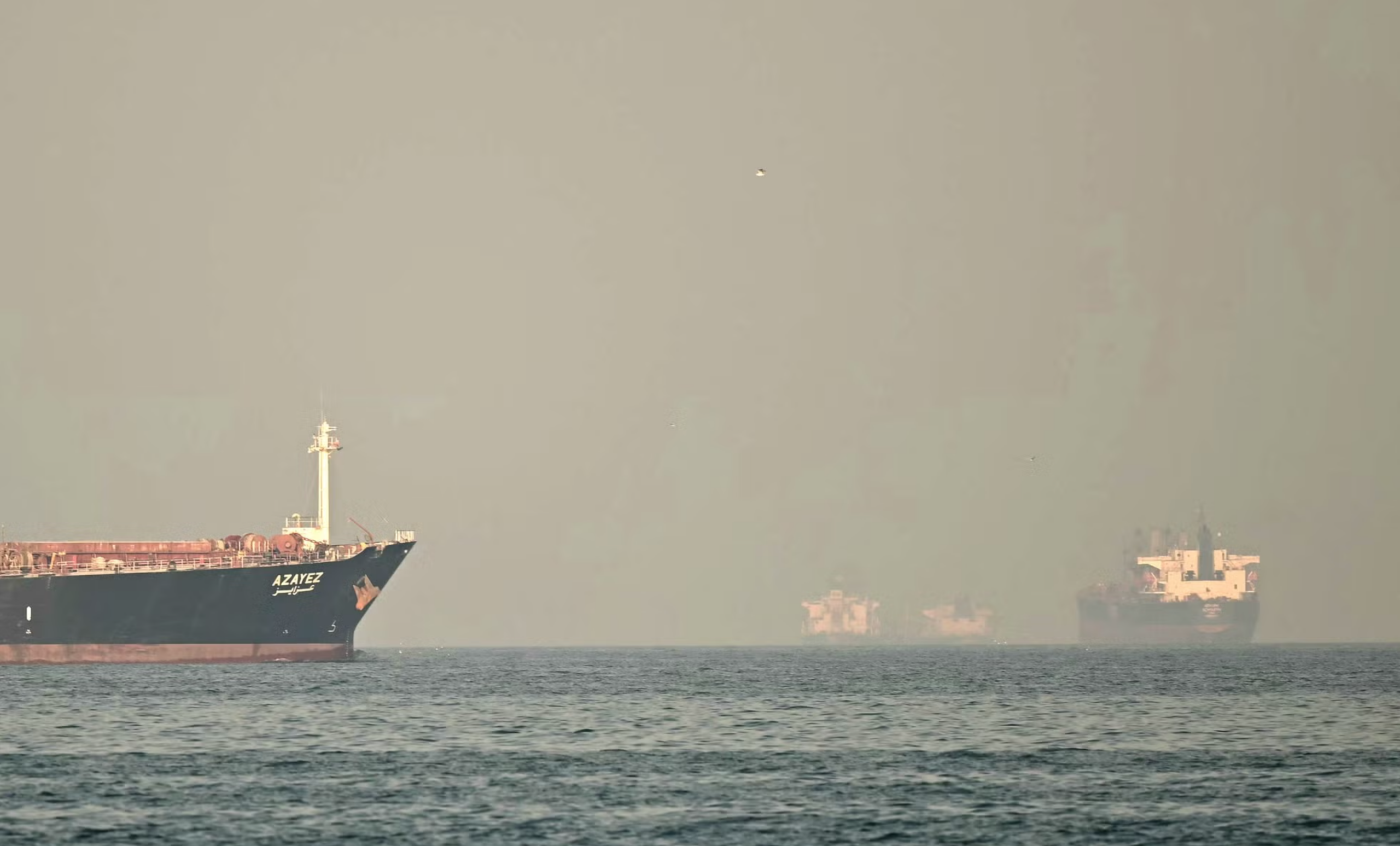
Iran is weighing new legislation that could significantly reshape commercial navigation through the Strait of Hormuz, one of the world’s most strategically important maritime corridors. Lawmakers are reviewing proposals that would restrict access for vessels linked to countries Tehran considers hostile while introducing transit fees for many commercial ships using the narrow waterway.
The proposal arrives as diplomatic negotiations continue between Iran and Oman over a temporary shipping arrangement intended to restore predictable maritime traffic following months of regional instability. Although discussions have shown signs of progress, fundamental disagreements remain over who would oversee navigation, how international shipping lanes would operate and whether commercial vessels would be required to comply with new Iranian regulations.
The Strait of Hormuz carries a substantial share of the world’s seaborne crude oil and liquefied natural gas exports, making any regulatory change closely watched by energy producers, shipping companies and financial markets. Additional information about the strategic importance of the waterway is available through U.S. Energy Information Administration.
Proposed Shipping Restrictions Could Affect International Trade
The draft proposal under consideration would prohibit vessels connected to the United States, Israel and other countries designated by Tehran from transiting the Strait of Hormuz until political conditions established by Iranian authorities are met. Commercial operators from other nations could continue using the route but may be required to pay transit charges based on cargo value.
Although the proposal remains under parliamentary review, shipping analysts say the measure illustrates Iran’s effort to expand its influence over one of the world’s busiest maritime chokepoints. Maritime insurers and freight operators are closely monitoring developments because any additional operational costs could affect shipping rates, insurance premiums and delivery schedules.
International shipping through the Strait is governed by broader principles of maritime law, including those discussed by the United Nations Division for Ocean Affairs and the Law of the Sea, available at United Nations Division for Ocean Affairs and the Law of the Sea.
Diplomatic Negotiations Continue Alongside Political Disagreements
At the same time, Iran and Oman continue technical discussions regarding a temporary maritime framework that would redefine navigation routes through the Strait. Officials have indicated that the proposal would establish separate entry and exit corridors designed to facilitate commercial traffic while addressing security concerns raised during recent regional conflicts.
The United States has maintained that any future arrangement must preserve unrestricted navigation through international waterways without mandatory permissions, transit fees or unilateral oversight by a single country. That position reflects longstanding international support for freedom of navigation in strategic maritime corridors.
Background on international maritime standards can also be found through the International Maritime Organization at International Maritime Organization.
Global Energy Markets Remain Focused on the Strait of Hormuz
Energy traders continue reacting to every diplomatic development involving the Strait because prolonged uncertainty has the potential to influence global oil prices, liquefied natural gas exports and commercial shipping costs. Even without a complete closure of the waterway, uncertainty surrounding future regulations may alter shipping routes, increase freight expenses and affect supply chains across multiple industries.
Governments throughout the Middle East remain engaged in diplomatic efforts aimed at preventing additional disruptions while balancing national security interests with international commerce. Regional stability around the Strait of Hormuz continues to be viewed as an essential component of global energy security, with shipping companies, policymakers and financial institutions following negotiations closely. Broader information on global energy security trends is available through the International Energy Agency at International Energy Agency – Energy Security.