
Health officials across the United States are investigating multiple Salmonella outbreaks connected to contaminated food products and household animals, a reminder that the bacteria can spread through more than a single source. Recent investigations involve eggs, fresh produce, backyard poultry and pet reptiles, creating a complex public health response that spans dozens of states.
While salmonella infections are reported every year, these outbreaks—especially simultaneous Salmonella issues—linked to unrelated products have drawn increased attention from epidemiologists and food safety specialists. Officials are urging consumers to pay close attention to food recalls, practice safe food handling and take extra precautions when interacting with animals that may carry the bacteria without appearing sick.
Food Products Remain the Primary Source of Infection
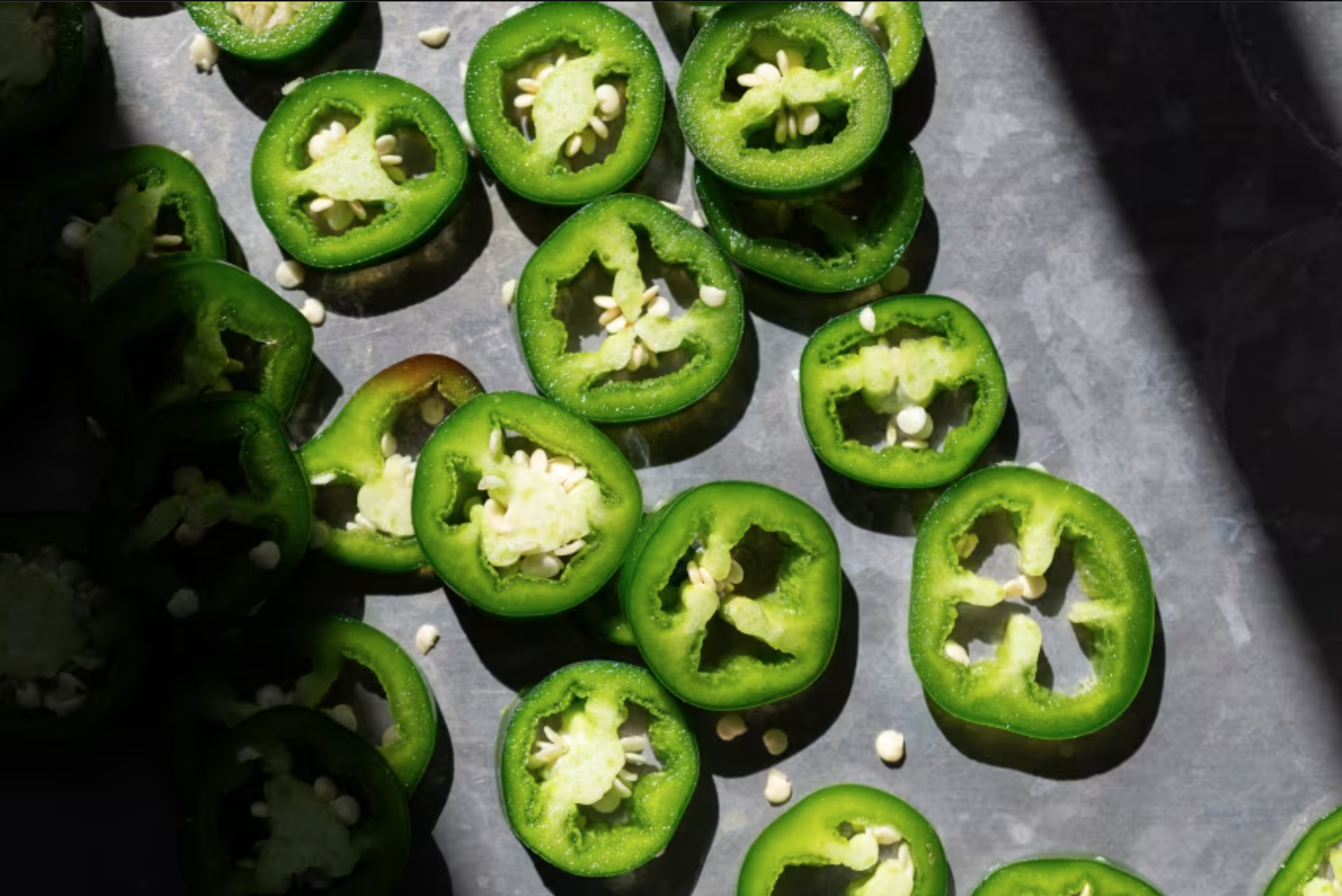
Eggs and fresh vegetables continue to account for many reported salmonella infections because, during Salmonella outbreaks, contamination can occur at several points during production, transportation or food preparation. Public health investigators are tracing supply chains to determine where contamination originated and whether additional products should be recalled.
Experts emphasize that washing hands before and after preparing food, preventing cross-contamination between raw and ready-to-eat ingredients, and cooking foods to safe internal temperatures remain some of the most effective ways to avoid becoming affected by salmonella outbreaks and reduce infection risk.
Restaurants and commercial kitchens are also reviewing sanitation procedures as investigations continue. Even a small lapse in food handling can allow bacteria to spread to multiple ingredients, which sometimes leads to Salmonella outbreaks, increasing the number of people exposed during a single outbreak.
Backyard Animals and Reptiles Continue to Pose Hidden Risks
Food is not the only concern. Chickens, ducks, turtles and reptiles can naturally carry salmonella while appearing completely healthy, which is why certain Salmonella outbreaks are linked to household or backyard animals. The bacteria may be present on feathers, skin, cages, food containers or surrounding surfaces, making indirect contact enough to spread infection.
Young children, older adults, pregnant women and people with weakened immune systems face the greatest risk of severe illness. Health professionals recommend supervising children’s contact with backyard poultry and reptiles, washing hands immediately after handling animals and avoiding eating or drinking near animal habitats, to protect against possible outbreaks of Salmonella.
Veterinarians also encourage owners to clean cages and feeding equipment outdoors whenever possible to reduce contamination inside the home. By taking these precautions, families can help lower the chance that Salmonella outbreaks might impact their household.
Early Recognition and Prevention Can Reduce Severe Illness
Most salmonella infections begin with diarrhea, stomach cramps, fever and nausea within several hours to several days after exposure. Many people recover without specific treatment, but dehydration and more serious complications can develop, particularly among vulnerable groups when facing widespread or severe Salmonella outbreaks.
Medical evaluation is recommended when symptoms become severe, include persistent high fever, bloody diarrhea or signs of dehydration. Laboratory testing can help distinguish salmonella from other gastrointestinal infections that produce similar symptoms—a critical step during large-scale outbreaks involving Salmonella bacteria.
Public health authorities continue reminding consumers that preventing salmonella depends on everyday habits: refrigerating perishable foods promptly, separating raw meat from fresh produce, cleaning kitchen surfaces thoroughly and maintaining good hand hygiene after handling animals or preparing meals. As warmer temperatures support bacterial growth, these preventive measures become even more important, particularly during the summer months when Salmonella outbreaks tend to rise.