United Airlines Flight Security Alert Forces Spain-Bound Plane to Return to Newark
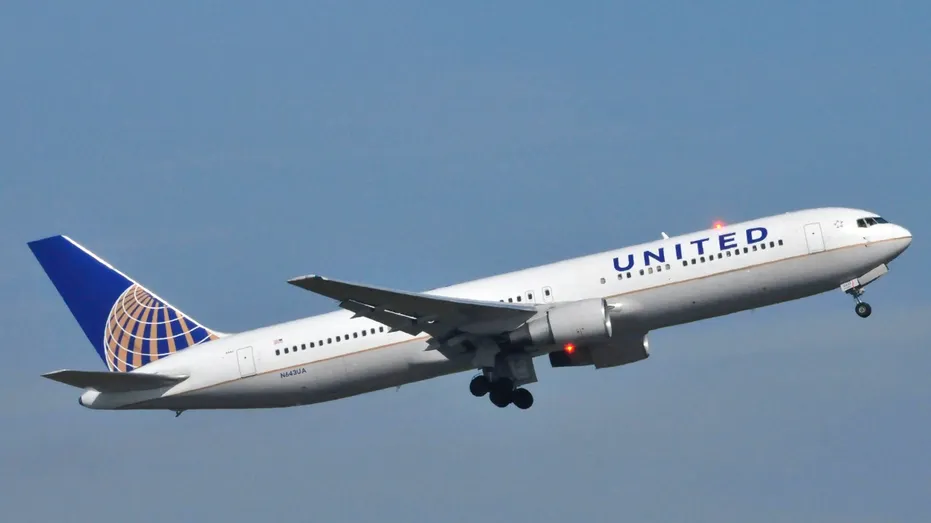
A United Airlines flight security alert prompted a transatlantic flight bound for Spain to reverse course. The plane returned to Newark Liberty International Airport after a suspicious Bluetooth device name raised concerns among crew members and security personnel.
The incident occurred aboard a United Airlines flight traveling from Newark, New Jersey, to Palma de Mallorca, Spain. What should have been a nearly eight-hour journey instead became an unexpected diversion. This diversion delayed passengers by several hours and triggered a full security response upon landing.
The aircraft spent more than four hours in the air before turning around and heading back to New Jersey. This situation created confusion among travelers. Moreover, it highlighted the strict security measures that govern modern commercial aviation. Travelers can learn more about aviation security procedures at Transportation Security Administration.
United Airlines Flight Security Alert Triggered by Bluetooth Device Name
United Airlines confirmed that the aircraft returned to Newark because of what it described as a potential security concern. While the airline did not publicly disclose the exact cause, multiple passengers shared accounts on social media. These accounts indicated that a Bluetooth-enabled device on board had been assigned a name that triggered alarm.
According to several passenger reports, flight attendants requested that travelers disable Bluetooth devices while the crew attempted to identify the source of the issue. Meanwhile, social media posts from passengers described growing frustration as the situation unfolded. Some noted that announcements suggested a single individual’s actions were affecting everyone on board.
Air traffic communications later provided additional details. Recordings indicated that a Bluetooth network carrying the name “BOMB” had been detected. This discovery prompted security protocols that required the aircraft to return and undergo a comprehensive inspection.
Aviation regulations require airlines to investigate any potential threat, regardless of whether it appears credible. Information regarding airline safety oversight can be found through Federal Aviation Administration.
Security Procedures Lead to Aircraft Inspection and Passenger Evacuation
After landing back in Newark, passengers remained on the ground while security teams conducted inspections of the aircraft, cargo compartments, and cabin areas. Reports from airport communications indicated that all travelers were required to leave the plane. Authorities worked to determine whether any legitimate threat existed.
The response demonstrates how airlines and airports prioritize passenger safety when potentially threatening language is associated with a flight. Even when incidents are later determined to be harmless, carriers generally follow established procedures. These procedures are designed to eliminate risk before allowing travel to continue.
Modern aviation security systems rely on multiple layers of detection and response, including cooperation between airline crews, airport personnel, and federal agencies. Travelers interested in airport security operations can access additional information through U.S. Department of Homeland Security.
The temporary disruption resulted in lengthy delays for hundreds of passengers. These passengers were ultimately required to wait for clearance before reboarding.
Flight Eventually Reaches Palma de Mallorca After Lengthy Delay
Following inspections and security reviews, authorities cleared the aircraft to resume operations. The flight later departed Newark and successfully completed its journey to Palma de Mallorca.
The aircraft arrived in Spain approximately nine and a half hours later than originally scheduled. This situation significantly impacted travel plans for passengers. While no actual threat was discovered, the incident illustrates how even seemingly minor actions involving electronic devices can result in major operational consequences for airlines.
The event also serves as a reminder that names assigned to Bluetooth devices, Wi-Fi hotspots, and other wireless networks may be visible to others. These names can attract attention when they contain language associated with security threats.
Additional information about international aviation standards is available through International Civil Aviation Organization.
Airlines continue to maintain strict security protocols to ensure that any potential threat is investigated thoroughly before flights proceed. This happens even when initial concerns ultimately prove unfounded.