Deportation flight carrying dozens of migrants raises concerns over third-country removals and asylum protections
The Trump administration deported dozens of migrants to the Central African Republic on Saturday. This included an Afghan man whose brothers had worked with the U.S. military in Afghanistan, according to his lawyer and an immigration advocacy organization.
The Afghan man, who is in his early 20s, had previously received protection from deportation to Afghanistan. This was after a U.S. judge determined that he faced a risk of persecution by the Taliban, his attorney, Alma David, said.
His family’s history of cooperation with U.S. forces was central to those concerns. According to court documents reviewed by The Associated Press, the man’s family in Afghanistan had received threats from the Taliban. These threats were because of his brothers’ work supporting the U.S. military.
Family ties to the U.S. military
One of the man’s brothers currently lives in the United States. He previously served in the Afghan National Army, which worked alongside American forces before the Taliban returned to power in 2021.
Another brother was a U.S.-trained pilot who was killed by the Taliban, according to David.
Despite the court protection against being returned to Afghanistan, the man was placed on a deportation flight to the Central African Republic. This is a country with which he has no reported connection.
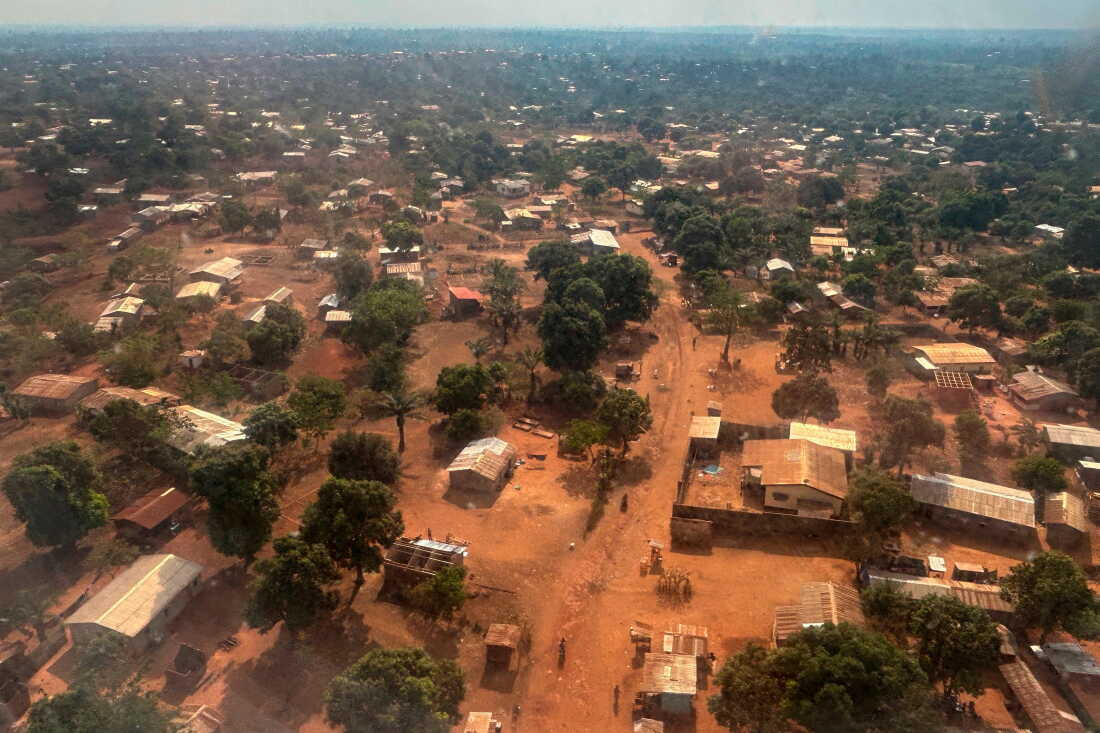
The flight landed in the Central African Republic’s capital, Bangui, on Saturday.
Dozens of migrants sent to a third country
The flight included 12 Afghans and eight Iranians. There were also migrants from Nepal and Nicaragua, said Savi Arvey, director of policy, refugee and immigrant rights at Human Rights First.
The deportation is part of a broader Trump administration strategy. This strategy involves the removal of migrants to countries other than their countries of origin.
Advocates say the administration has reached agreements with multiple countries to accept deportees. Sometimes, this happens through arrangements that have not been publicly disclosed.
According to immigration rights organizations, thousands of people have been sent to approximately two dozen third countries. This is part of the administration’s intensified immigration enforcement efforts.
Lawyers raise concerns over asylum protections
Immigration attorneys and refugee advocates argue that deporting migrants to third countries can create serious legal and humanitarian concerns.
They say the practice could potentially allow the government to indirectly send asylum seekers toward countries where they may face danger. This could happen even when courts have determined that direct removal to their country of origin would put them at risk.
The case of the Afghan man has drawn particular attention. This is because a U.S. judge had already granted him protection from deportation to Afghanistan based on concerns about Taliban persecution.
His removal to the Central African Republic therefore raises questions. These questions involve how those judicial protections are being applied when the government chooses a third-country destination.
Second deportation flight to Central African Republic
Saturday’s flight was reportedly the second deportation flight to the Central African Republic since June.
The first flight carried approximately two dozen migrants. This included an Iranian woman who advocates said faced persecution if returned to Iran.
The use of third-country deportations has become an increasingly important part of the Trump administration’s immigration policy. Officials seek to accelerate removals through this method.
For immigration advocates, however, the practice raises questions about due process and access to legal protections. In addition, they question whether deportees are being sent to countries where they have no meaningful ties or established protections.
The case of the Afghan man also highlights the complicated legacy of America’s two-decade military involvement in Afghanistan. It underscores the risks faced by Afghans whose families assisted U.S. forces.
As the administration continues expanding agreements with third countries, immigration lawyers and human rights organizations are likely to keep challenging these actions. They question whether such removals comply with U.S. law and existing court orders.