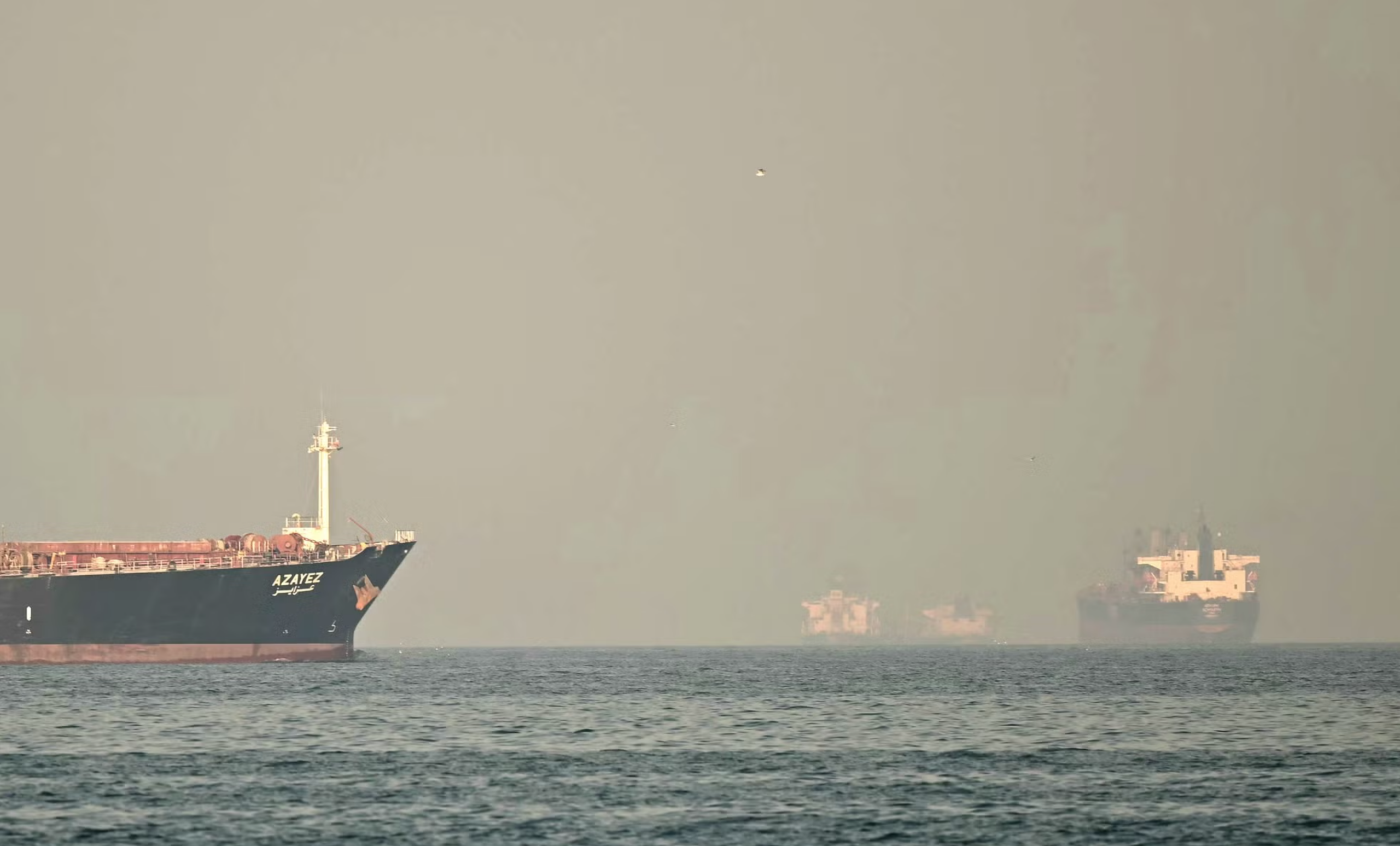
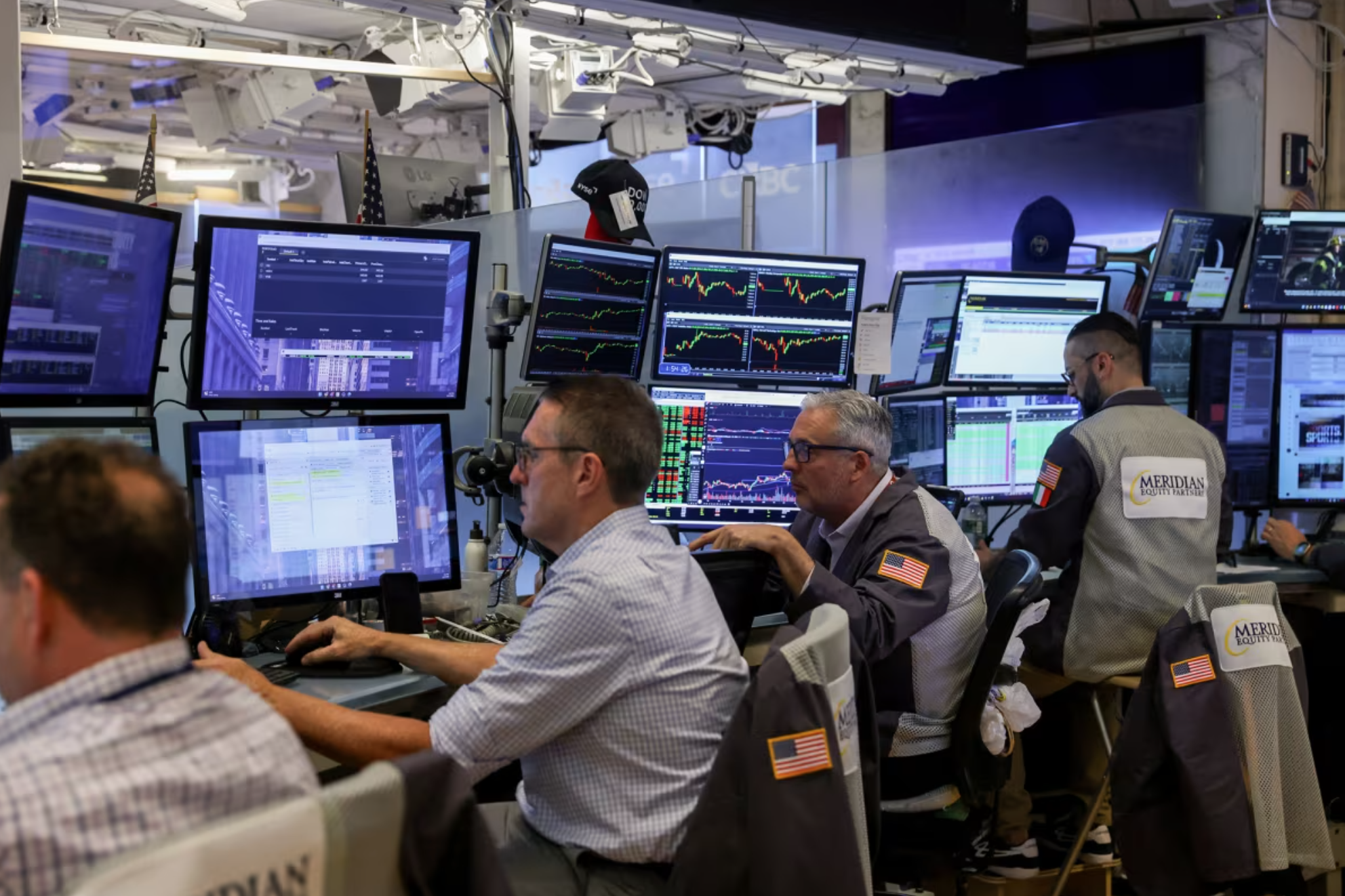
Oil prices falling after the reopening of the Strait of Hormuz has triggered a wave of optimism across global financial markets. Crude prices have retreated sharply, gasoline costs have eased, and major US stock indexes are once again hovering near record territory. For investors, the immediate reaction has been clear: the worst-case scenario that haunted markets during the recent conflict appears to have been avoided.
Yet beneath the relief, some analysts see a growing disconnect between market expectations and the realities still unfolding across the Middle East. The sharp decline in oil prices and the rapid rebound in equities suggest investors are betting that trade routes will normalize quickly and geopolitical tensions will remain contained.
Energy market participants continue monitoring global supply conditions through organizations such as https://www.iea.org/“>International Energy Agency, where analysts closely track production levels, shipping flows, and energy security developments.
Recent market performance reflects confidence. Whether that confidence proves justified remains an open question.
Oil Prices Falling as Investors Embrace the Best-Case Scenario
The immediate catalyst behind oil’s decline has been the agreement that reopened one of the world’s most important energy corridors.
West Texas Intermediate crude has pulled back significantly from recent highs as traders anticipate increased shipments moving through the Strait of Hormuz. Fuel markets have responded quickly, with gasoline prices also moving lower as supply concerns ease.
However, several uncertainties remain unresolved.
Shipping activity has not yet returned to levels seen before the conflict. Insurance costs for vessels operating in the region remain elevated, while concerns about maritime security and navigation hazards continue to influence transportation decisions.
The agreement currently provides only a temporary framework. Market participants must now evaluate what happens after the initial implementation period expires and whether long-term stability can be maintained.
Energy transportation remains a critical component of global trade. Maritime traffic through strategic waterways is monitored by institutions including https://www.imo.org/“>International Maritime Organization, which follows developments affecting international shipping and navigation.
Analysts note that optimism has moved faster than physical recovery. Oil producers still face operational challenges, and restoring normal export capacity may take longer than current pricing suggests.
Stock Market Rally Gains Strength Despite Lingering Uncertainty
The decline in energy prices has provided additional support for equities.
Lower fuel costs can ease inflation pressures, reduce business expenses, and improve consumer purchasing power. Those factors often create favorable conditions for stocks, particularly during periods when economic growth remains resilient.
Investors have also remained focused on artificial intelligence, one of the strongest drivers of market enthusiasm during the past year. Technology shares continue attracting significant capital despite broader economic concerns.
At the same time, monetary policy remains a major variable. The Federal Reserve recently left interest rates unchanged, but investors continue debating the possibility of future policy adjustments depending on inflation and labor market trends.
Financial market conditions and economic indicators are regularly analyzed through resources published by https://www.federalreserve.gov/“>Federal Reserve, where policymakers monitor inflation, employment, and financial stability.
Several strategists caution that markets may be overlooking geopolitical risks that have not disappeared simply because a temporary agreement has been reached. A disruption affecting energy supplies could quickly alter investor sentiment.
Strait of Hormuz Recovery Remains the Critical Test
The future direction of oil prices falling trends may depend less on announcements and more on what happens in the waterway itself.
The Strait of Hormuz remains one of the most important energy transit routes in the world, carrying a substantial share of internationally traded crude oil. For prices to remain stable, investors need evidence that commercial traffic can increase consistently and safely over an extended period.
Banks and commodity analysts have already revised some oil forecasts downward in response to recent developments. Those projections assume that shipping activity continues improving and that regional production recovers without major interruptions.
Economic forecasting organizations such as https://www.imf.org/“>International Monetary Fund frequently evaluate how energy markets influence global growth, inflation, and financial conditions.
Even under favorable circumstances, rebuilding confidence takes time. Shipping operators, insurers, producers, and governments must all navigate operational and security challenges before trade flows fully normalize. For now, markets appear convinced that the path ahead will be smoother than feared, but the coming weeks will determine whether that confidence rests on solid ground or overly optimistic assumptions.