
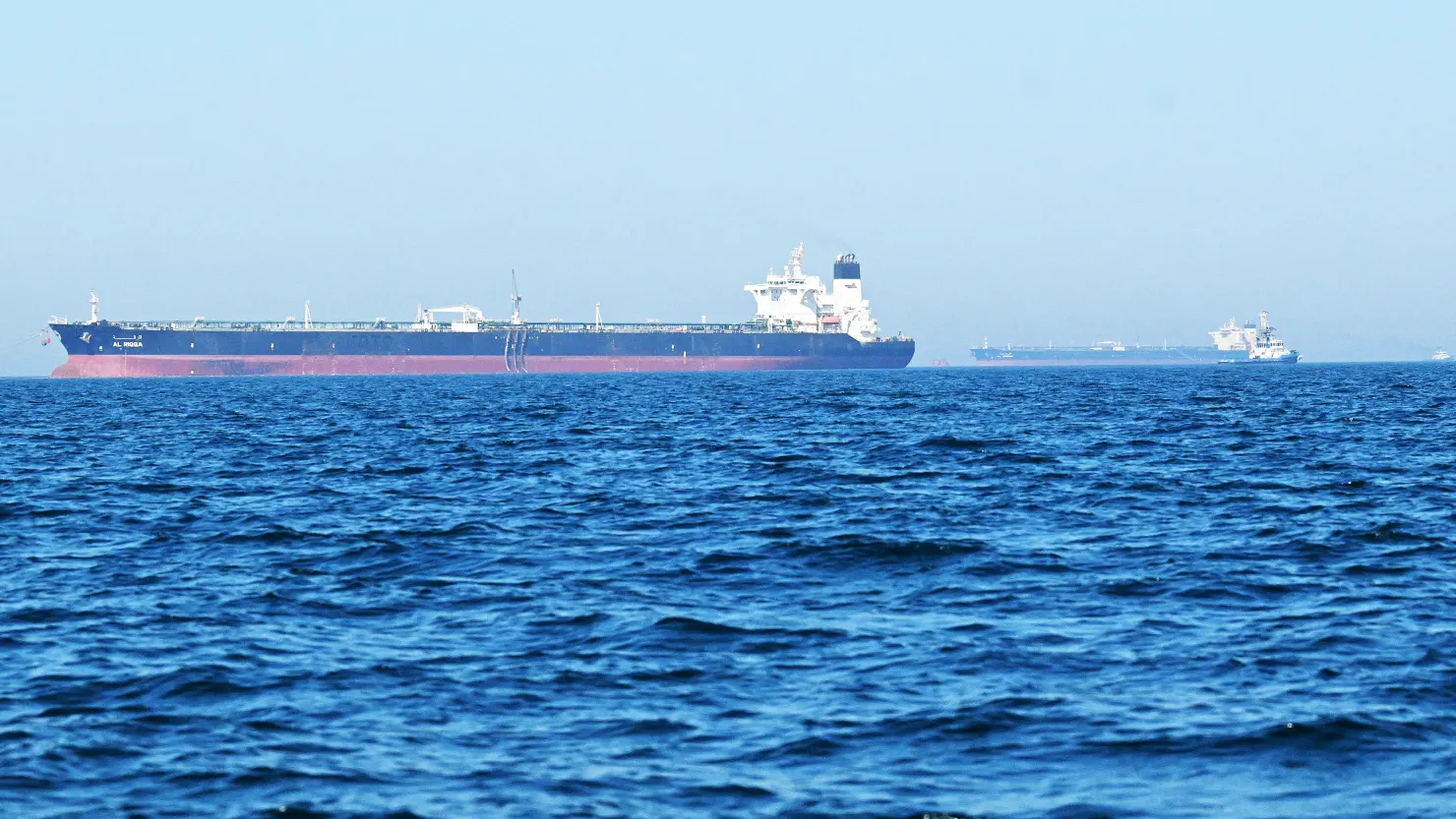
Oil prices fell on Thursday as traders weighed weaker global demand against continuing disruptions in the Middle East. U.S. West Texas Intermediate crude traded at $82.73 a barrel, down 54 cents, while Brent crude, the international benchmark, fell 45 cents to $88.53.
The move comes as uncertainty around the Strait of Hormuz continues to shape the oil market. The waterway normally carries a huge volume of global energy supplies, leaving prices highly sensitive to any change in shipping conditions.
The International Energy Agency oil market report has highlighted how sharply regional disruptions have affected production and trade flows since the conflict began.
At the same time, weaker consumption is putting some pressure on prices. Higher fuel costs, reduced availability and economic uncertainty have already changed buying patterns in several major markets.
Strait of Hormuz disruption keeps oil traders on edge
The Strait of Hormuz remains the main source of concern for energy traders. The narrow passage connects the Persian Gulf with the Gulf of Oman and provides one of the most important routes for crude oil and petroleum products.
The U.S. Energy Information Administration describes Hormuz as the world’s most important oil transit chokepoint. Around 20 million barrels of crude oil and petroleum products normally pass through the strait each day.
That makes even a partial disruption significant.
Shipping conditions have remained difficult during the regional conflict. Attacks on vessels in and around the Gulf of Oman have added another layer of risk for tanker operators, while uncertainty over when normal traffic can return has kept traders cautious.
The International Maritime Organization has also recorded multiple attacks on commercial shipping in the region. In June, it confirmed the deaths of three seafarers after the tanker MT Settebello was attacked near Oman.
For oil markets, the concern is not only whether supplies are physically lost. Higher insurance costs, longer routes and delays can also raise the cost of moving crude.
Falling demand is limiting the pressure on crude prices
Normally, a major supply disruption would put strong upward pressure on oil prices. This time, weaker demand is complicating that relationship.
The IEA has warned that global consumption is being affected by high prices and the disruption itself. Asian economies, in particular, have reduced crude purchases as expensive energy and tighter supplies weigh on economic activity.
China provides a clear example. The U.S. Energy Information Administration analysis said Chinese crude imports fell in the second quarter after higher prices caused by the Hormuz disruption.
Lower demand can therefore partly absorb the shock from reduced supply.
There is another factor. Some producers have been able to redirect oil through alternative routes, while additional production outside the Middle East has helped offset part of the shortfall.
Those adjustments have prevented the market from becoming even tighter.
Still, the balance remains fragile. If shipping conditions deteriorate again, the supply side could quickly regain control of prices.
Oil prices remain exposed to another Middle East shock
Thursday’s decline does not mean the risk premium has disappeared.
Oil traders are still watching diplomatic efforts around the Strait of Hormuz, developments involving regional shipping and any signs that production losses could deepen.
The International Maritime Organization’s regional shipping updates show how frequently commercial vessels have been affected since the conflict began.
Another complication has emerged along Oman’s coastline. A tanker that ran aground in late June has reportedly begun leaking oil, raising environmental concerns in addition to the broader security problems facing shipping in the region.
For consumers, the immediate question is whether lower demand can continue to offset restricted supply. If it does, crude prices could remain relatively contained despite the geopolitical risk.
If shipping disruptions worsen, however, that balance could change quickly. Oil markets would then have to absorb another supply shock at a time when the main export route from the Persian Gulf remains vulnerable.