Colombia has started receiving international aid after initially limiting some offers of foreign rescue teams following Monday’s devastating earthquake. The decision has raised questions about how the new government is managing the emergency as rescuers race to find people trapped beneath collapsed buildings.
The 7.4-magnitude earthquake struck western Colombia on August 10. The disaster affected several cities, including Cali and Pereira, while aftershocks continued to complicate rescue operations.
The timing is critical. Search teams are working through the first days after the earthquake, when locating survivors remains the main priority. Colombia’s disaster response system is coordinated through the National Unit for Disaster Risk Management, which is responsible for coordinating national disaster preparedness and response. Colombia disaster management system.
The government’s initial response to international offers has become a political issue because several countries and humanitarian organizations were prepared to send personnel and equipment.
Why Colombia Limited Some Foreign Rescue Teams
The government initially said it did not require large numbers of foreign personnel. Instead, officials sought specific assistance and later identified four countries whose rescue teams met the certifications required for operations in Colombia: the United States, El Salvador, Ecuador and Israel.
Officials argued that the decision was based on operational requirements rather than political considerations. Foreign Minister Omar Bula said Colombia had not excluded countries that had offered assistance.
Still, the delay created confusion.
International organizations were waiting for formal requests before deploying teams. Mexico, for example, had prepared supplies and military personnel, but its deployment depended on coordination with Colombian authorities.
The Colombian Red Cross was already working on the ground, with search and rescue teams operating in some of the hardest-hit areas. Colombian Red Cross earthquake response.
The situation also unfolded during a political transition. President Abelardo de la Espriella took office only days before the earthquake, while the country’s disaster management leadership was changing.
Political scientist Sandra Borda said the lack of a formal transition between administrations may have contributed to delays in coordination.
International Aid Begins to Reach Colombia
By Wednesday, the government had begun establishing clearer channels for foreign assistance.
The United States confirmed that it had mobilized search and rescue personnel from Virginia and California after receiving a formal request from Colombia. Other countries also continued preparing humanitarian support.
Mexico eventually coordinated with Colombian authorities and sent aid, including supplies and personnel. The Mexican government said the assistance was tailored to Colombia’s specific requests rather than deployed without coordination.
That distinction matters during a large earthquake. Search and rescue operations require specialized teams, equipment, medical support and secure access to damaged structures. Sending additional personnel without coordination can create logistical problems rather than immediately improving the response.
The United Nations and other humanitarian organizations also remained ready to assist as Colombia identified its most urgent needs.
The International Federation of Red Cross and Red Crescent Societies has described the earthquake response as a major national operation, with Colombian teams already deployed in affected areas.
Humanitarian agencies also face longer-term challenges. Beyond the search for survivors, displaced families need shelter, clean water, food, medical care and protection. Colombia earthquake emergency situation report .
Rescue Efforts Face a Race Against Time
The immediate priority remains the same: finding survivors.
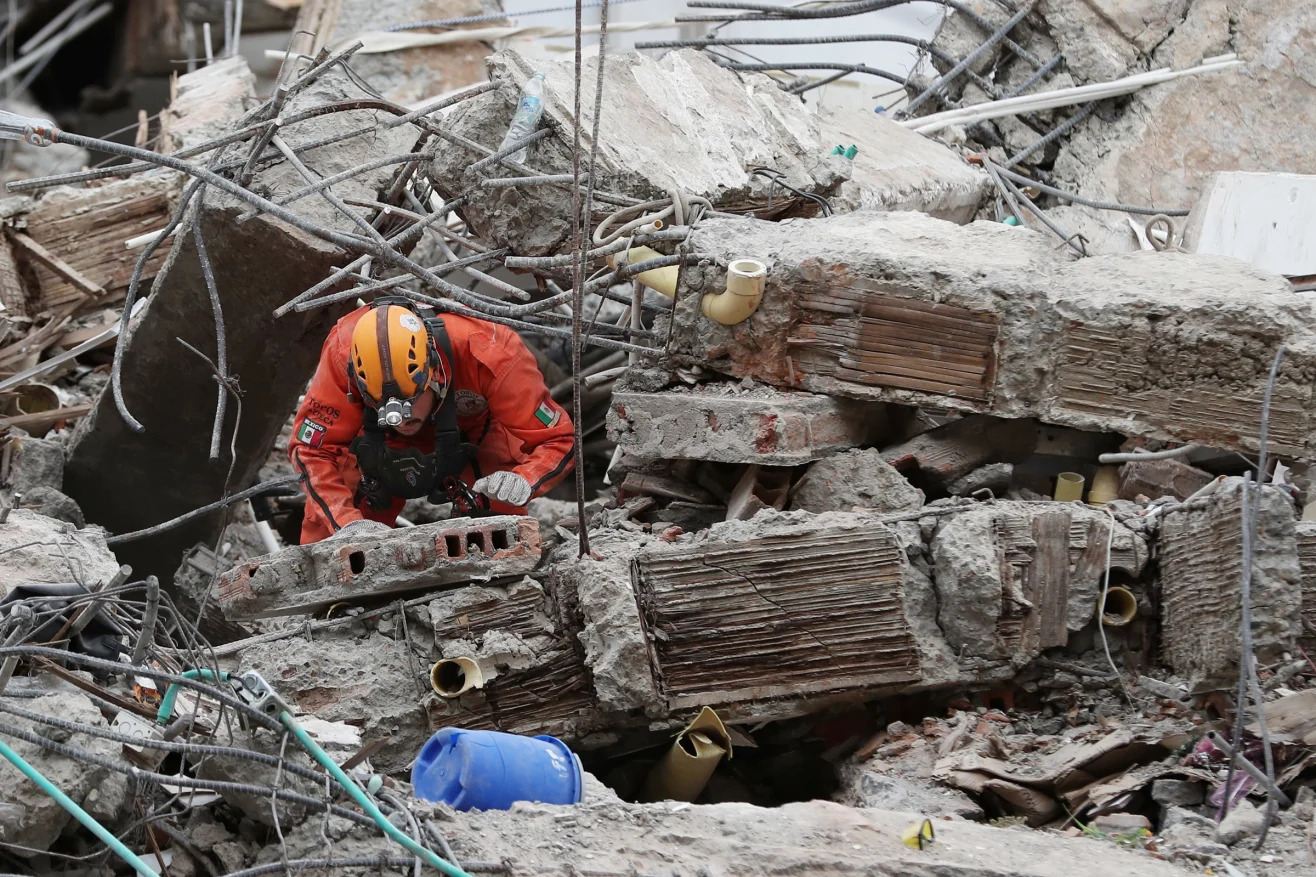
Collapsed buildings in Cali, Pereira and other affected areas have forced rescuers to work carefully around unstable structures. Aftershocks can damage already weakened buildings and make some locations too dangerous to enter.
Local authorities have therefore asked residents and untrained volunteers to stay away from collapse sites. Specialized rescue teams need room to operate heavy equipment, search systems and medical facilities.
The international response is now becoming more visible. Mexico has delivered humanitarian supplies, while foreign rescue personnel are being accepted in specific areas where Colombian authorities determine they are needed.
Children and families are among those facing the greatest risks after the disaster. UNICEF maintains an emergency response system in Colombia that focuses on children and vulnerable communities affected by sudden emergencies. UNICEF humanitarian response in Colombia.
For the government, the challenge is no longer simply deciding whether foreign help is necessary. It is deciding where that help can make the greatest difference while national teams continue working through damaged neighborhoods.
As rescue operations continue, every hour matters. The balance between controlling the emergency response and bringing in additional international expertise is now being tested in real time.