The Kennedy Center has been ordered to pay more than $250,000 in legal fees to musician Chuck Redd. This came after a Washington, D.C., judge dismissed the arts center’s lawsuit against him.
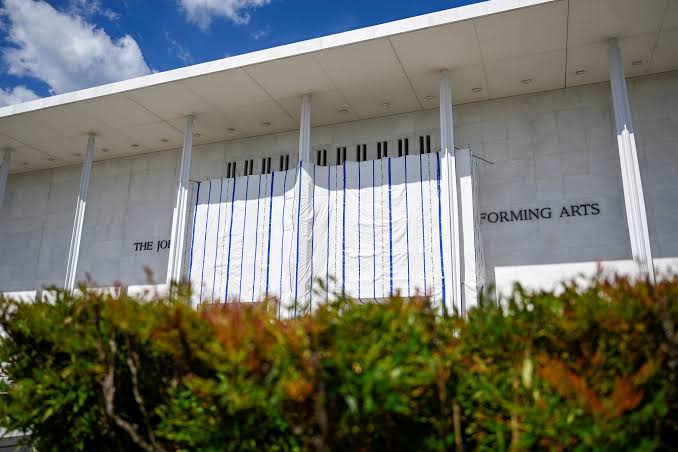
Redd, a jazz vibraphonist and drummer, canceled the annual Christmas Eve performance he had hosted at the Kennedy Center for nearly two decades. He did this after President Donald Trump’s name was added to the building’s facade in December 2025.
The Kennedy Center subsequently threatened to sue Redd for $1 million in damages.
Judge Rejects Kennedy Center Lawsuit
In June, Superior Court Judge Tanya M. Jones Bosier dismissed the Kennedy Center’s breach-of-contract lawsuit against Redd. Additionally, she granted Redd’s request to dismiss the case under Washington, D.C.’s anti-SLAPP law. This law is intended to protect speech involving matters of public interest.
In her latest ruling, the judge ordered the Kennedy Center to reimburse Redd $252,479.70 for attorneys’ fees and other legal expenses. These expenses were associated with defending himself against the lawsuit.
The Kennedy Center has said it plans to appeal the decision.
Musician Canceled Performance in Protest
Redd’s dispute with the Kennedy Center began after Trump became chairman of the institution’s board. His name was later added to the building’s exterior.
Redd chose to withdraw from the Christmas Eve concert, ending a nearly 20-year tradition. The Kennedy Center responded by pursuing legal action, arguing that Redd had violated his contractual obligations.
Redd’s attorneys, however, maintained that the lawsuit was politically motivated and lacked a sufficient legal basis.
Following the latest ruling, attorney Lisa J. Banks said the decision demonstrated a key point. Individuals should not have to spend substantial amounts of money defending themselves against what she characterized as politically motivated litigation.
Trump and the Kennedy Center
The dispute is part of a broader transformation at the Kennedy Center under the Trump administration.
Trump removed the center’s previous president, board chair and several board members in February 2025. He replaced them with allies and supporters. He subsequently became chairman of the institution.
The administration’s changes have generated significant controversy among artists and cultural organizations. As a result, several performers have canceled or reconsidered appearances at the center.
Trump’s name was later removed from the Kennedy Center’s facade following a federal court ruling.
The Kennedy Center’s Uncertain Future
The future of the Kennedy Center remains uncertain. The institution now faces questions over its programming, finances, construction plans and public access.
Trump had announced plans for a two-year closure to allow extensive renovations. A federal judge has since ordered the center’s administration to provide updates regarding construction, programming and access to the facility.
The board is expected to consider its plans for the institution later this month.
Meanwhile, the ruling in the Chuck Redd case adds another legal setback for the Kennedy Center. This comes as it navigates an increasingly contentious period in its history.
What Happens Next?
The Kennedy Center has indicated that it intends to appeal the ruling requiring it to pay Redd’s legal expenses.
For Redd, however, the decision represents the latest development in a dispute. The dispute began with his decision to cancel a performance in protest.
The case also highlights the continuing debate over the role of artists, political expression and institutional independence. This debate plays out at one of the United States’ most prominent cultural institutions.