Strategic Pressure in a Critical Maritime Corridor
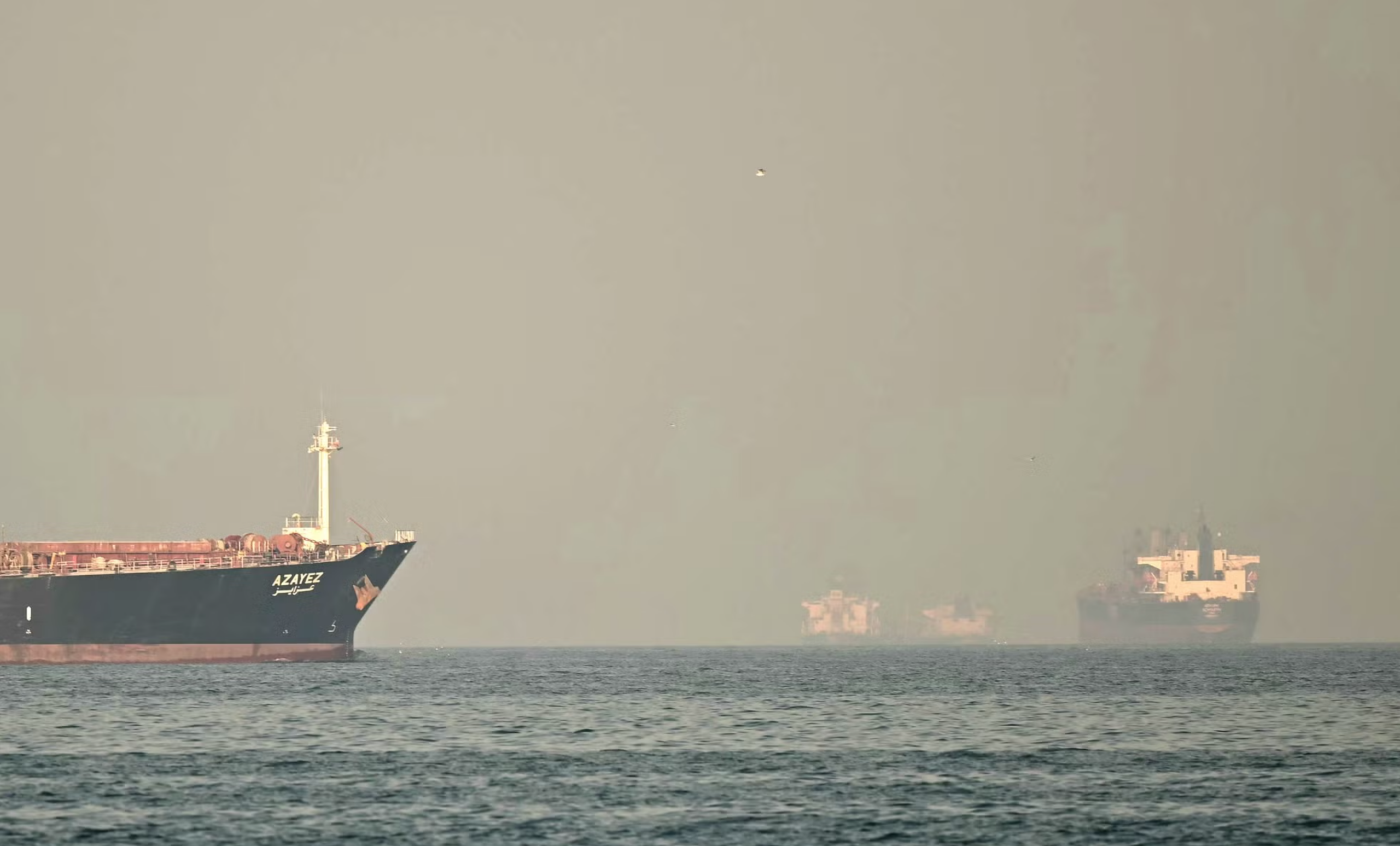
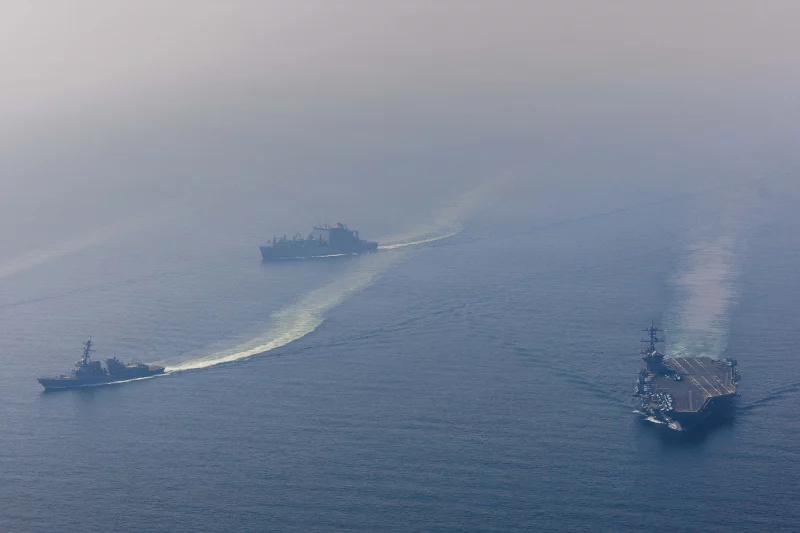
As U.S. naval forces intensify patrols in the Strait of Hormuz, attention has turned to the broader implications of restricting maritime traffic in one of the world’s most vital النفط corridors. The narrow passage, which connects the Persian Gulf to global shipping routes, handles a significant share of the world’s energy exports, making any disruption highly consequential.
According to the U.S. Central Command, the current operation is designed to intercept vessels linked to Iranian ports while maintaining freedom of navigation for other countries. The objective is clear: apply sustained economic pressure by limiting Iran’s ability to export oil, a resource widely considered central to its financial stability.
Officials describe the effort as a blockade, though some analysts argue it more closely resembles a controlled maritime quarantine. Unlike traditional blockades that halt all shipping, this approach targets specific flows of trade. The distinction may appear subtle, but it carries important legal and operational implications, particularly under frameworks like the United Nations Convention on the Law of the Sea, which governs international maritime conduct.
The scale of the task is immense. Before the escalation, roughly 138 vessels passed through the strait each day. Monitoring, identifying, and potentially intercepting even a portion of that traffic requires extensive coordination, advanced surveillance, and continuous naval presence.
Operational Challenges and Historical Lessons
Naval blockades have long been a tool of economic warfare, but history shows they are difficult to sustain. Maintaining control over a busy maritime chokepoint demands significant resources, including warships, surveillance systems, and personnel capable of conducting inspections at sea.
Modern technology has improved detection capabilities. Satellite tracking, drones, and radar systems now allow navies to monitor vessel movements with far greater precision than in past conflicts. Data from agencies such as the U.S. Energy Information Administration underscores the importance of the Strait of Hormuz, reinforcing why even partial disruptions can ripple across global markets.
Despite these advancements, enforcement remains complex. Ships can alter routes, disguise cargo origins, or rely on intermediary ports to bypass restrictions. The logistical burden of stopping and inspecting vessels resembles a large-scale maritime checkpoint operation, requiring constant vigilance.
Historical precedents highlight both successes and limitations. During the Napoleonic Wars, British forces deployed extensive naval resources to restrict French trade, yet smuggling operations persisted. In more recent history, attempts to limit maritime exports in conflict zones have often been only partially effective, either due to insufficient enforcement capacity or diplomatic pressures that led to negotiated exceptions.
Even with advanced tools, the sheer volume of global shipping traffic makes a fully airtight blockade nearly impossible.
Economic Impact and Unintended Consequences
While the primary goal of a naval blockade is to weaken an adversary’s economy, the outcomes are rarely straightforward. Restricting access to key exports—such as oil—can significantly reduce national revenue, but it can also trigger broader disruptions that extend beyond the intended target.
Economic analysis from institutions like the <a href=”https://www.imf.org/”>International Monetary Fund</a> suggests that trade restrictions in critical sectors often produce secondary effects, including supply shortages and price volatility in global markets. In the case of Iran, limiting oil exports could strain government finances, but it may also impact domestic industries that rely on imported goods.
History provides multiple examples of unintended consequences. During World War I, efforts to restrict industrial materials entering Germany ended up severely affecting civilian food production, leading to widespread hardship. Similarly, blockades in earlier centuries often destabilized entire economies rather than selectively weakening military capabilities.
In today’s interconnected global economy, the effects can spread even further. Energy price fluctuations, shipping delays, and insurance costs can all rise in response to prolonged maritime restrictions, affecting countries far removed from the conflict itself.
The effectiveness of the current strategy will likely depend on its duration, enforcement consistency, and the ability of targeted actors to adapt. As maritime traffic continues to flow through one of the world’s most strategically significant waterways, the balance between economic pressure and operational feasibility remains uncertain.