Jury Verdict Declares Live Nation a Monopoly
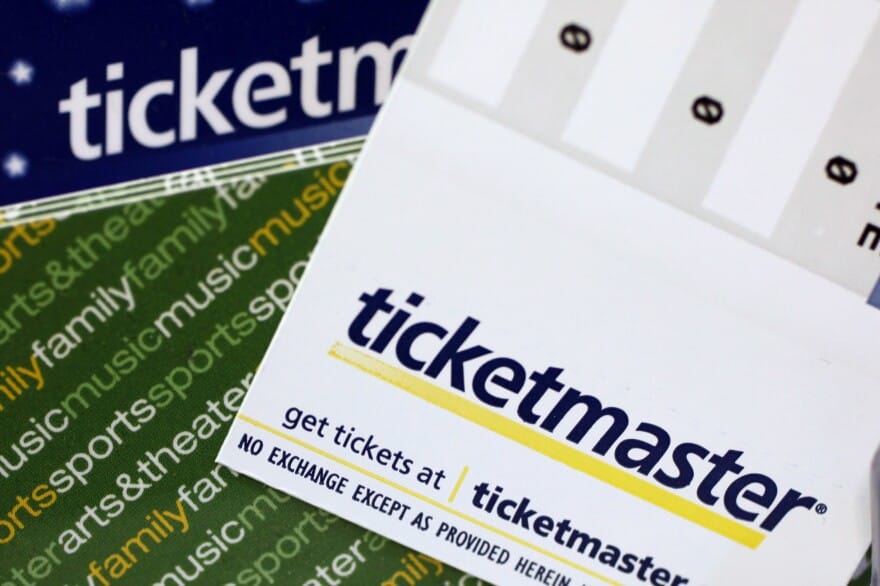
A federal jury in Manhattan has determined that Live Nation and its ticketing subsidiary Ticketmaster operated as a monopoly, marking a significant turning point in the U.S. live entertainment industry. The decision follows a legal challenge brought by 33 states and Washington, D.C., accusing the company of suppressing competition and overcharging consumers.
The ruling validates long-standing concerns from artists, venues, and fans who have criticized the company’s dominance across multiple segments of the live events ecosystem. Live Nation’s control spans concert promotion, artist management, venue operations, and ticket sales, creating a vertically integrated system that critics argue limits fair competition.
The case now moves into a new phase, where attorneys general will seek remedies and financial penalties. Proposed measures could include structural changes to the company, such as separating its ticketing and promotion businesses, or implementing restrictions on exclusive venue contracts.
For more on antitrust law and market competition, visit https://www.ftc.gov and https://www.justice.gov/atr
Why Ticket Prices May Not Drop Immediately
Despite the landmark verdict, consumers should not expect immediate relief in ticket prices. Legal experts note that any remedies imposed by the court are likely to face appeals, potentially delaying meaningful changes for years.
Even if structural reforms are ordered, the complexity of the live entertainment market means price reductions are not guaranteed. Live Nation could offset potential losses by increasing costs in other areas, such as parking, concessions, or premium services at venues it controls.
Additionally, the jury found that the company overcharged customers by approximately $1.72 per ticket in certain states. While this could translate into financial penalties, those funds are expected to go to state governments rather than directly reimbursing consumers.
The industry has also evolved to normalize high costs, with ticket prices often influenced by demand, artist popularity, and dynamic pricing models. These factors may continue to keep prices elevated regardless of legal outcomes.
To understand pricing trends and consumer markets, explore https://www.consumerfinance.gov and https://www.statista.com
Long-Term Impact Could Reshape the Live Music Industry
While short-term changes may be limited, the long-term implications of the verdict could be substantial. Increased regulatory scrutiny and potential structural reforms may open the market to new competitors, giving alternative ticketing platforms and promoters greater access to venues and audiences.
This shift could encourage innovation in ticket distribution, pricing transparency, and fan experience. Industry observers suggest that restoring competition is more likely to benefit consumers over time than immediate financial penalties.
There is also the possibility of settlements or partial agreements that could reshape the industry incrementally. Some proposals include capping service fees, ending exclusive contracts, and allowing multiple ticketing platforms to operate within the same venues.
Ultimately, the case represents a broader effort to redefine competition in the live entertainment sector. While the timeline for change remains uncertain, the verdict has set the stage for a potential transformation that could influence how concerts are produced, marketed, and experienced in the years ahead.
For further insights into entertainment industry trends, visit https://www.billboard.com and https://www.pollstar.com