Swing Voters Voice Concern Over Iran War Strategy
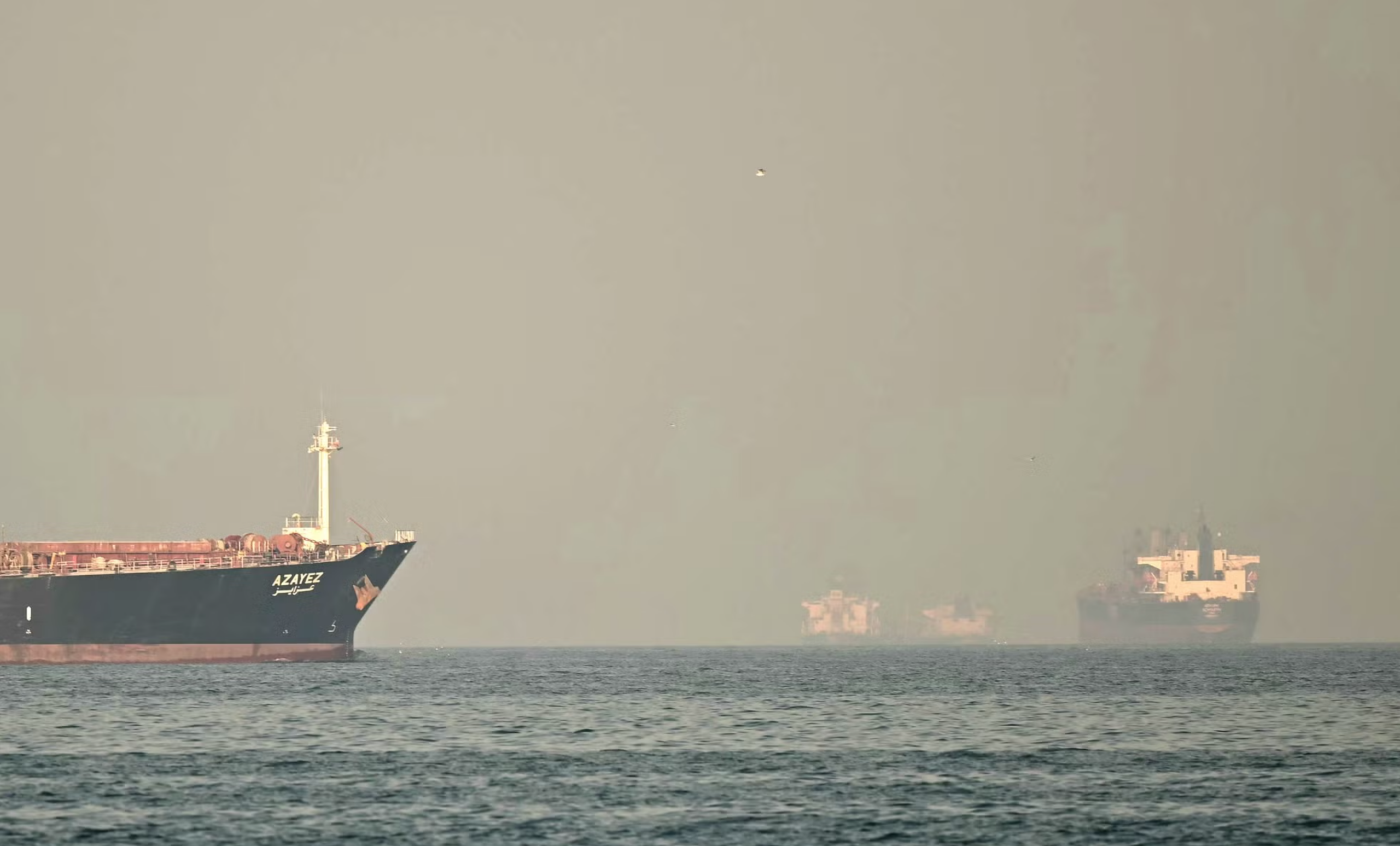
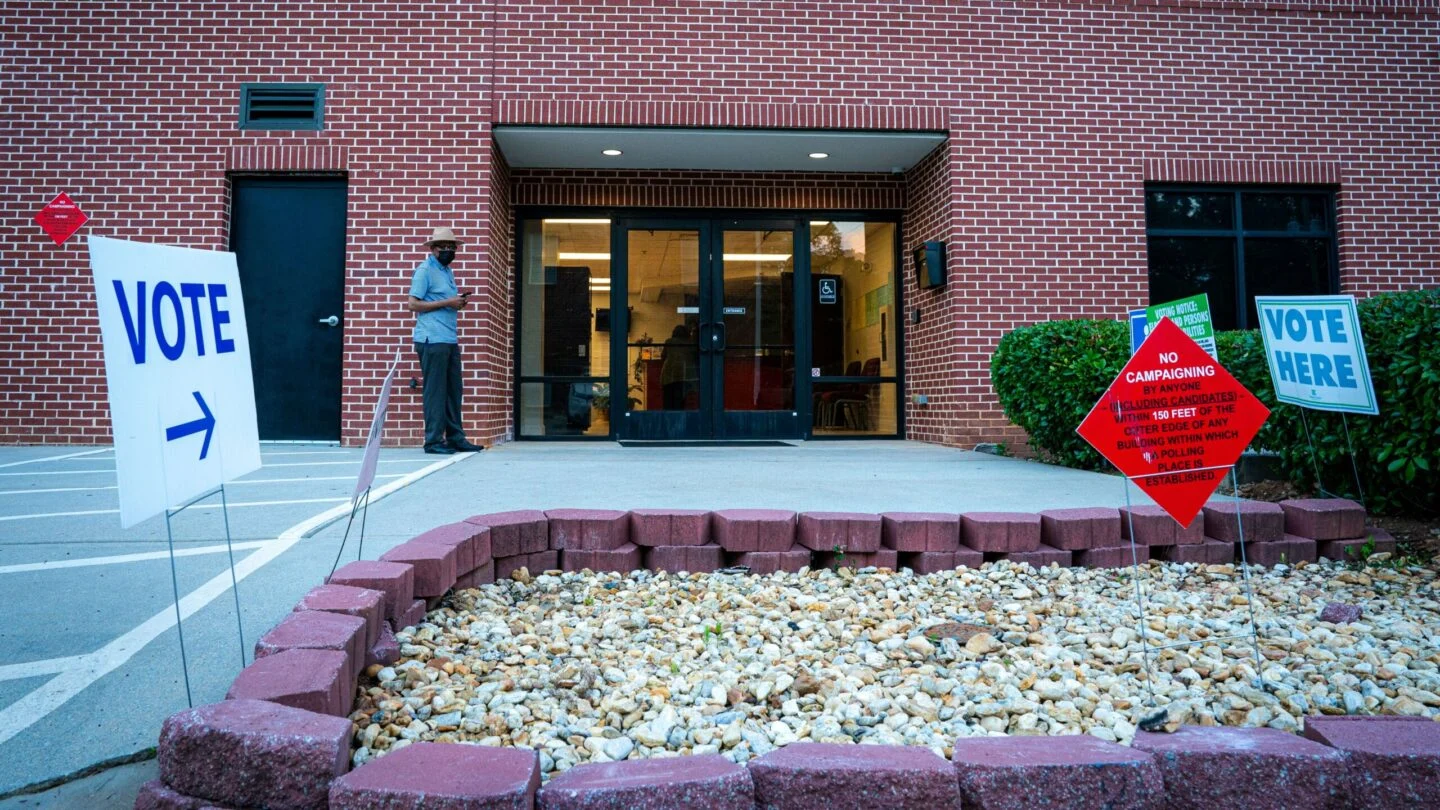
A group of swing voters in Georgia is expressing deep unease over the ongoing military conflict in Iran, signaling potential political challenges ahead of the 2026 election cycle. Participants described their emotional reactions using words such as “afraid,” “angry,” and “concerned,” reflecting a growing sense of dissatisfaction with how the conflict is being handled.
These voters, who previously shifted their political support between election cycles, now appear united in their skepticism. None of the participants described the military effort as successful, despite official claims suggesting progress. Instead, many believe the situation is deteriorating, with fears that the conflict could escalate further and prolong instability both abroad and at home.
The discussion highlights a broader sentiment that the war lacks clear direction and measurable outcomes. Concerns about strategic miscalculations and underestimating geopolitical risks were common, particularly regarding the evolving nature of modern warfare and global tensions.
For more insights into U.S. foreign policy and global conflicts, explore https://www.cfr.org and https://www.brookings.edu
Economic Anxiety Dominates Voter Concerns
While foreign policy sparked strong reactions, the dominant issue for most participants remains the economy. A significant majority reported feeling more financially anxious than before, pointing to rising costs across essential sectors such as food, housing, and healthcare.
Many voters linked the ongoing conflict to economic instability, particularly through rising oil prices and supply chain disruptions. The perception that government spending is being directed toward military efforts rather than domestic relief has intensified frustration.
Participants repeatedly emphasized a disconnect between political priorities and everyday financial struggles. Concerns about affordability, job security, and access to basic necessities overshadowed broader geopolitical goals. For these voters, economic stability is not just a policy issue but a daily reality that shapes their political views.
To better understand economic trends and inflation impacts, visit https://www.imf.org and https://www.worldbank.org
Political Risks and Voter Uncertainty Ahead of 2026
The dissatisfaction expressed by these voters could carry significant implications for upcoming elections. Many participants indicated they are highly likely to vote, yet most remain undecided about which party to support. This uncertainty reflects a broader volatility among swing voters who often determine electoral outcomes in closely contested states.
A recurring theme in the discussions was the perception of misaligned priorities. Voters questioned whether current leadership is focused on issues that directly affect their lives, particularly economic recovery and cost of living. This perceived gap has contributed to declining approval and increased skepticism toward political messaging.
Additionally, concerns extended beyond the war and economy to include local issues such as infrastructure and resource management. Some voters raised alarms about the expansion of data centers in their communities, citing environmental and resource consumption challenges.
As the political landscape evolves, these perspectives underscore the importance of addressing both global strategy and domestic needs. The views emerging from Georgia suggest that voter sentiment is not only shaped by international events but also by their tangible impact on everyday life.