
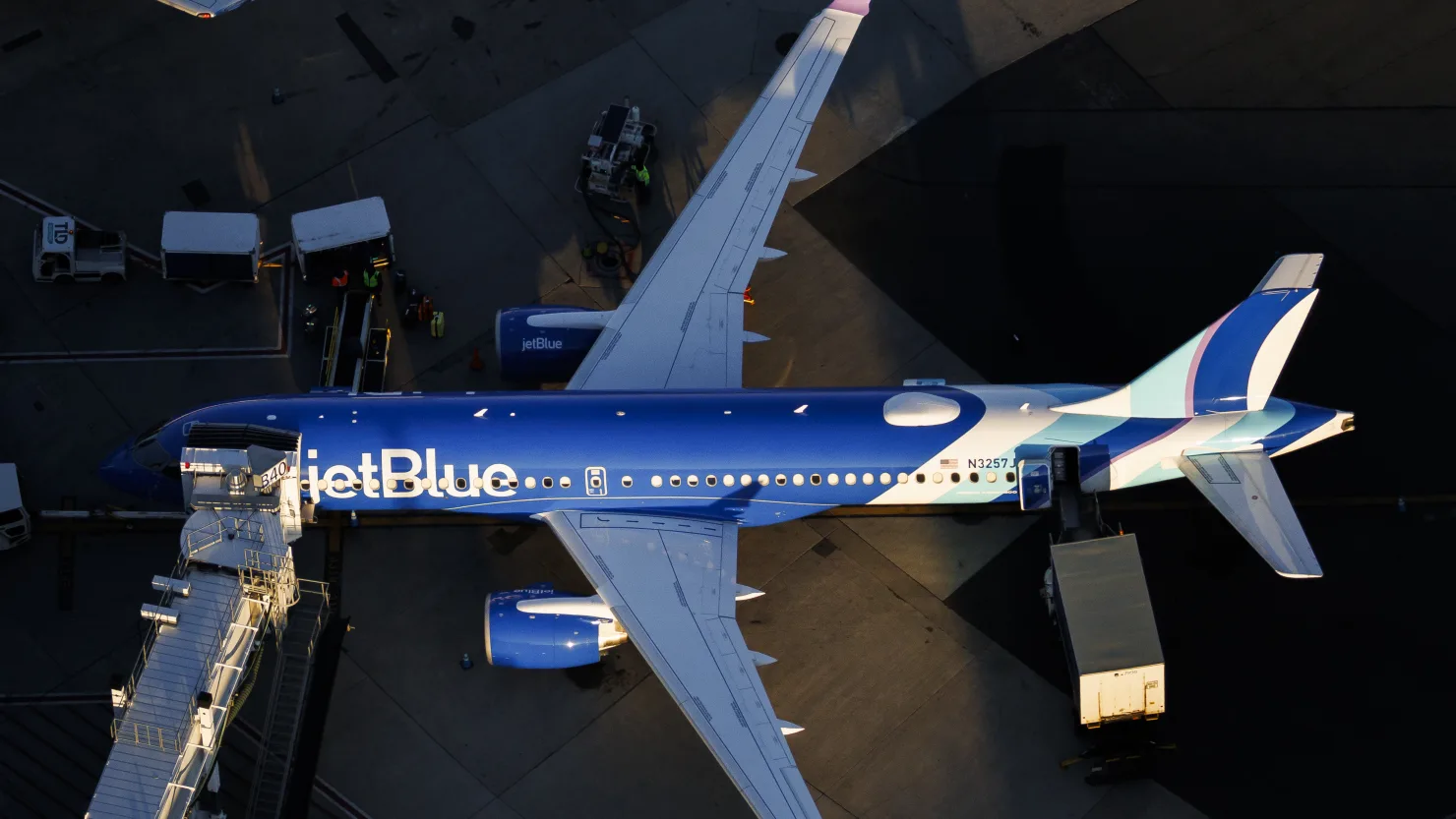
JetBlue is reshaping its pricing strategy with a redesigned fare structure that gives travelers more flexibility while introducing a new domestic premium cabin. The airline says the changes are designed to simplify the booking process and allow customers to choose services based on their travel priorities rather than paying for features they may not need.
The new fare lineup comes as airlines across the United States compete for passengers willing to spend more on comfort, priority services and flexible travel policies. By combining new cabin options with tiered fare categories, JetBlue hopes to strengthen its position in an increasingly competitive domestic market.
Passengers booking future flights will notice a different purchasing experience, with choices centered around seating comfort, baggage benefits and refund flexibility instead of the airline’s previous fare categories.
BlueFirst Introduces a New Domestic Premium Experience
A major highlight of the overhaul is the upcoming launch of BlueFirst, JetBlue’s new domestic first-class product. The airline expects the cabin to feature larger seats, enhanced onboard service and additional passenger amenities aimed at business travelers and leisure customers seeking a more comfortable journey.
While JetBlue has built a strong reputation through its Mint premium service on select long-haul routes, BlueFirst is intended to expand premium offerings across more domestic destinations. Company executives believe demand for higher-end travel continues to grow despite broader economic uncertainty.
The airline has also reorganized its seating products into three primary cabin categories: Main, Even More and BlueFirst. Travelers can review available seating options and travel services directly through JetBlue Airways before completing a reservation.
The Even More section continues to offer extra legroom along with priority boarding and expedited airport screening where available, providing an intermediate option between standard economy and first class.
New Fare Structure Focuses on Passenger Flexibility
Each cabin now includes multiple fare options that determine the level of flexibility customers receive after booking. Lower-priced tickets continue to target budget-conscious travelers, while higher fare levels include benefits such as advance seat selection, easier itinerary changes and cash refunds instead of travel credits.
Industry analysts view this pricing strategy as part of a broader trend among U.S. airlines to separate ticket prices from optional services. Similar approaches have been adopted across the industry as carriers seek to provide greater pricing transparency while generating additional ancillary revenue.
Consumer organizations, including U.S. Department of Transportation. Department of Transportation, continue encouraging airlines to clearly disclose fare conditions so travelers can easily compare ticket options before purchasing.
JetBlue’s loyalty program also remains integrated into the revised fare structure, allowing passengers to earn different levels of rewards depending on the ticket they purchase.
Premium Travel Continues to Drive Airline Competition
Demand for premium seating has become one of the fastest-growing segments of the airline business. Industry data suggests that travelers are increasingly willing to pay more for additional comfort, boarding priority and flexible booking conditions, particularly on longer domestic flights.
The expansion of premium cabins reflects changing consumer preferences as airlines invest heavily in upgraded interiors and personalized travel experiences. Aviation market statistics published by “International Air Transport Association (IATA) continue to show steady growth in premium passenger demand despite fluctuations in the broader economy.
At the same time, travelers are becoming more selective about fare rules, making flexibility an increasingly valuable feature during periods of changing travel plans. Guidance regarding passenger rights and airline regulations remains available through Federal Aviation Administration (FAA), while airlines continue adjusting their products to meet evolving customer expectations.
JetBlue’s redesigned fare system represents another step in the industry’s broader transition toward customizable travel experiences, where passengers decide how much flexibility, comfort and convenience they want included in the price of every ticket.