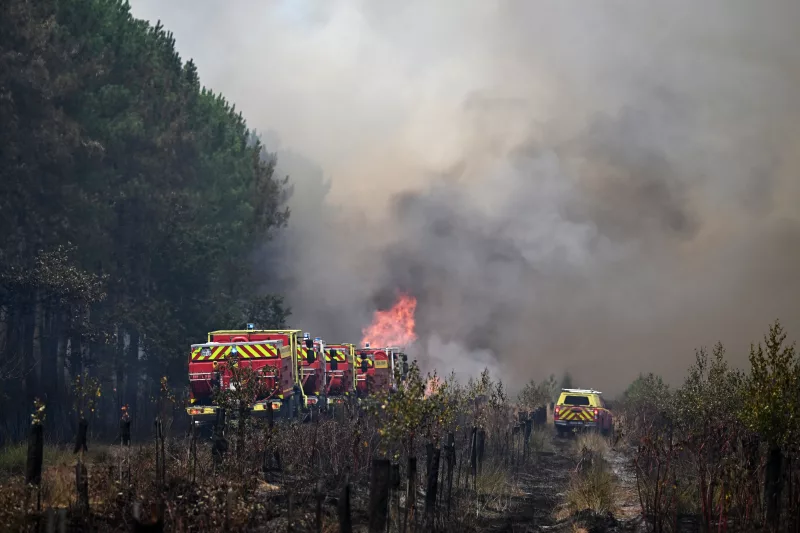
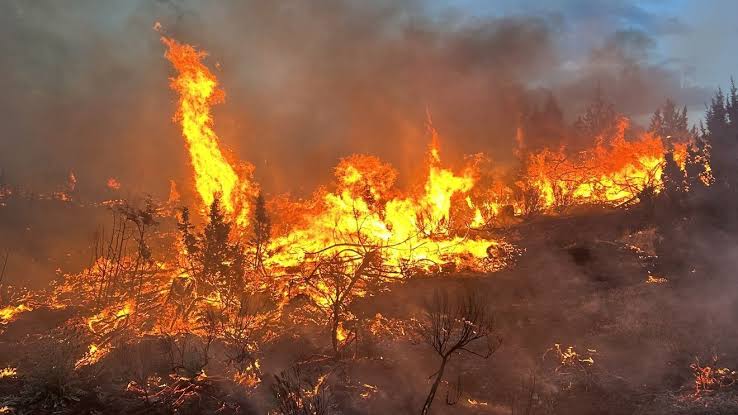
Central Oregon is facing one of its most dangerous wildfire emergencies in recent years as multiple fast-moving fires continue to spread across the region. Thousands of residents are being forced to evacuate. These fires are destroying homes and placing enormous pressure on firefighting resources.
Driven by extreme heat, dry vegetation, and strong winds, several large wildfires have expanded rapidly over the weekend. As a result, emergency officials have issued mandatory evacuation orders and closed major highways as crews work to contain the flames.
Bench Fire Triggers Mass Evacuations
The Bench Fire, burning west of Madras, has become one of the most urgent incidents in Oregon. The wildfire quickly expanded to more than 6,200 acres with no containment. Consequently, Level 3 “Go Now” evacuation orders were issued for the Warm Springs Reservation and surrounding communities in Jefferson County.
Authorities temporarily closed sections of Highway 26 as firefighters battled the advancing flames. Additionally, other road closures have affected travel across Central Oregon. Officials warn that rapidly changing fire conditions could continue disrupting transportation routes.
Emergency managers confirmed that several homes have been destroyed. However, firefighting efforts successfully protected many other structures threatened by the blaze.
More than 200 firefighters are currently assigned to the Bench Fire and the nearby Beachcomb Fire. Officials believe these may have merged as fire activity intensified.
Historic Fire Season Stretches Resources
Oregon is experiencing one of its most severe wildfire seasons in recent memory. State officials report more than 34 large active wildfires burning across Oregon, covering over one million acres.
A winter marked by historically low snowpack has left forests and grasslands exceptionally dry. This has created ideal conditions for rapid fire growth. Fire officials warn that even a small spark can quickly develop into a major wildfire under current weather conditions.
As new fires continue to ignite, emergency agencies are being forced to prioritize where limited personnel and equipment can be deployed. Therefore, resource allocation is becoming increasingly challenging across the state.
The Oregon State Fire Marshal has activated additional emergency resources to support local crews. This move will strengthen firefighting operations in the most threatened communities.
Communities Face Ongoing Uncertainty
Emergency shelters remain open for residents displaced by the fires. Organizations such as the American Red Cross are assisting families forced to leave their homes.
Many evacuees have been unable to return due to shifting fire behavior and changing evacuation zones. Emergency officials continue updating residents as conditions evolve throughout the day.
Elsewhere in Central Oregon, the Akawa Butte Fire has burned more than 27,000 acres and remains only minimally contained. Therefore, it is one of the nation’s highest-priority wildfires because of its proximity to populated areas.
Other major fires, including the Big Grass Fire and the Rowe Creek and Hay Creek complexes, continue burning across eastern Oregon. These fires highlight the scale of the state’s wildfire crisis.
With hot temperatures, low humidity, and windy conditions expected to continue, authorities urge residents to stay informed and follow evacuation orders immediately. They also stress the importance of remaining prepared as firefighters work around the clock to protect lives and property.