Washington, D.C. — Government ethics and political accountability are becoming increasingly prominent issues ahead of the upcoming U.S. elections, as Democratic leaders argue that comprehensive anti-corruption reforms are needed to restore public trust in federal institutions.
Lawmakers and government watchdog organizations have raised concerns over ethics standards, conflicts of interest, and financial transparency, while Republicans have defended the current administration and criticized Democratic proposals as politically motivated. The debate reflects broader voter concerns about how public officials conduct government business and whether the political system serves the interests of ordinary Americans.
Ethics and Transparency Become a Campaign Focus
Democratic lawmakers contend that strengthening ethics laws should be a priority regardless of which party controls Washington. Their proposals include stricter financial disclosure requirements, tighter conflict-of-interest rules, limitations on congressional stock trading, expanded lobbying restrictions, and greater transparency surrounding public officials’ financial activities.
Supporters argue that these measures would improve accountability and reinforce confidence in government institutions, while critics question whether new regulations would address broader economic concerns facing voters.
Polling conducted by several organizations has consistently shown that large majorities of Americans, across party lines, believe political corruption remains a significant concern and that government should operate with greater transparency.
Reform Proposals Extend Beyond the Presidency
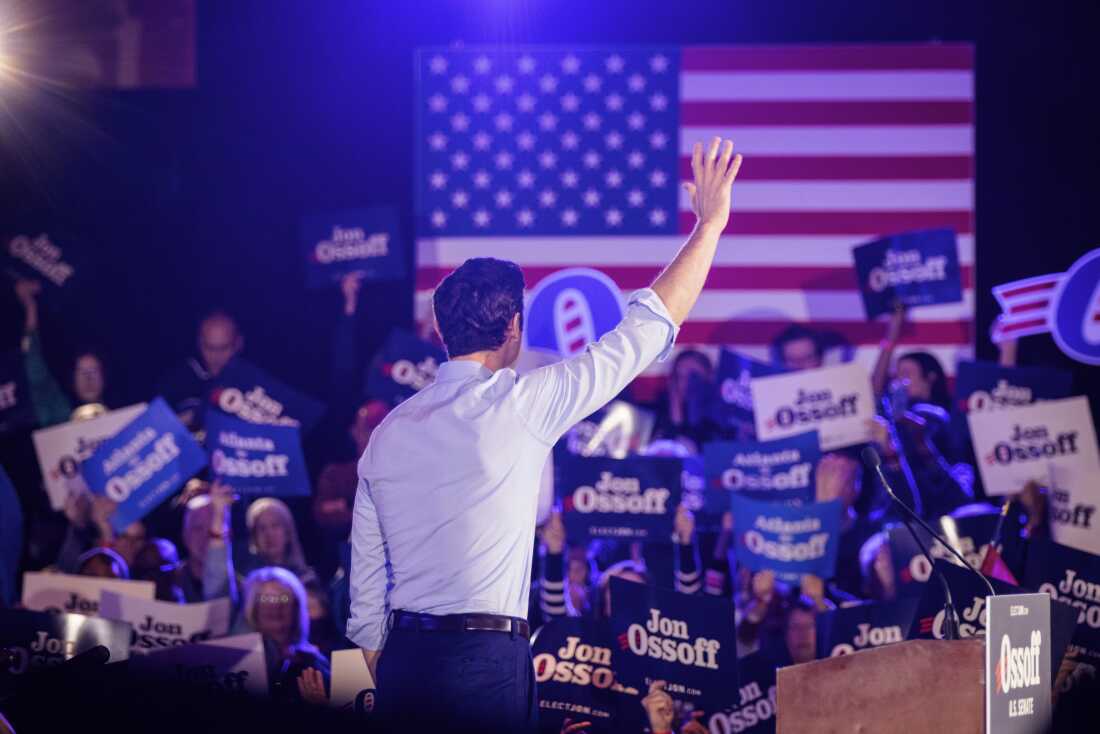
Democratic candidates are increasingly presenting anti-corruption efforts as part of a broader agenda aimed at improving government effectiveness and public confidence.
Among the proposals discussed during the campaign are:
- Prohibiting members of Congress from trading individual stocks while in office.
- Strengthening ethics and financial disclosure requirements for elected officials.
- Expanding restrictions on lobbying activities after leaving public office.
- Increasing oversight of conflicts of interest involving senior government officials.
- Promoting greater transparency in campaign financing and government decision-making.
Supporters believe these reforms could help reduce the influence of special interests and create a more accountable political system.
Public Trust Remains a Key Issue
Political analysts note that ethics reform has become closely linked to broader concerns about affordability, economic opportunity, and government performance. While many voters continue to prioritize issues such as inflation, healthcare, and public safety, surveys suggest that confidence in government institutions remains an important factor influencing public opinion.
Whether ethics reform becomes a decisive issue in the upcoming elections remains uncertain. However, both parties increasingly acknowledge that restoring public trust and improving government accountability will continue to shape the national political conversation in the months ahead.