
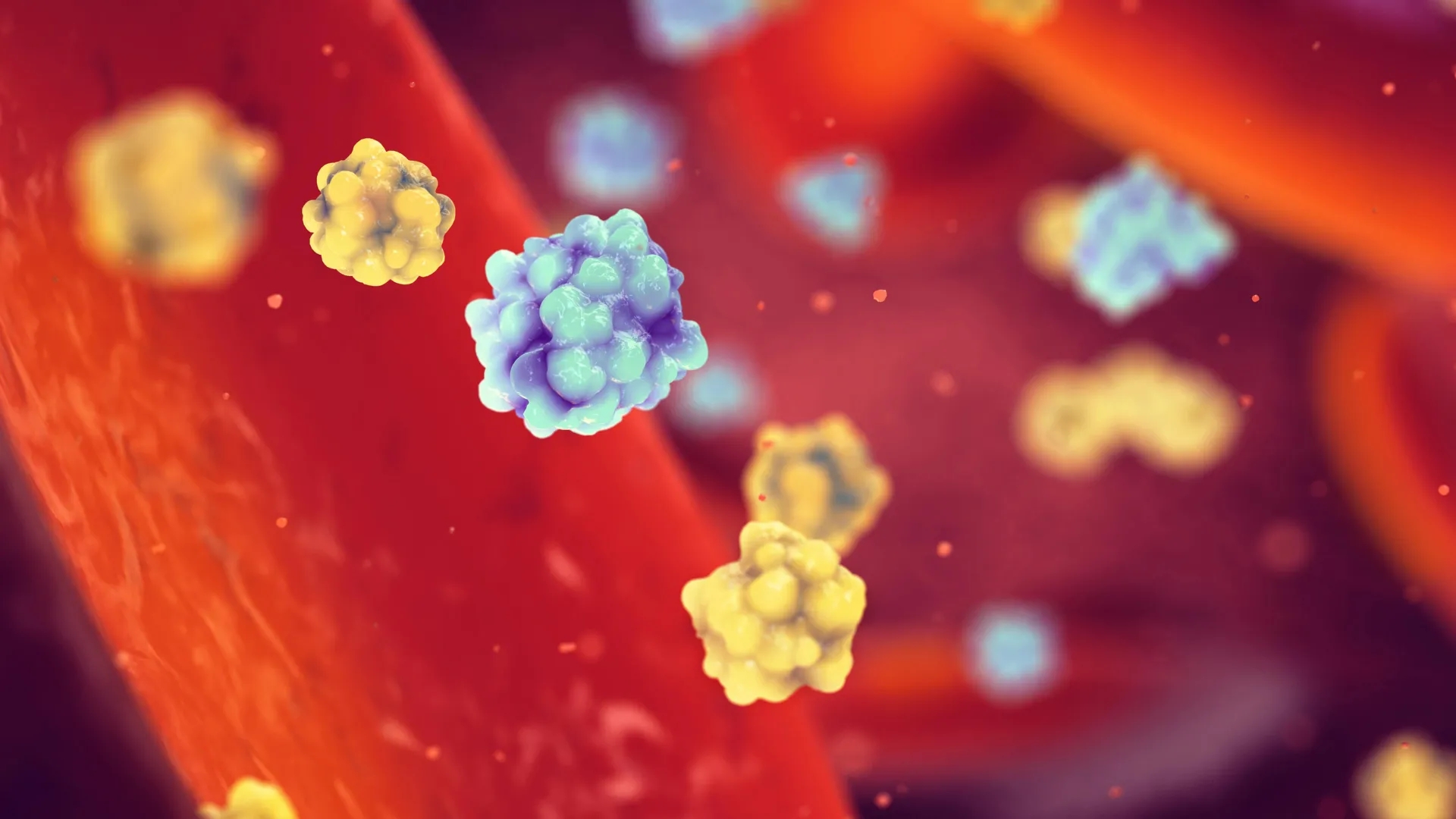
Prediabetes and type 2 diabetes may begin long before blood sugar reaches dangerous levels. New research suggests that one of the earliest problems occurs inside pancreatic beta cells. In these cells, proteins responsible for making insulin must be folded into precise three-dimensional structures before they can function correctly. When that process fails, defective proteins accumulate. As a result, this places enormous stress on the cells responsible for regulating blood glucose.
A study conducted by researchers at Sanford Burnham Prebys and the University of Michigan sheds new light on the biological mechanisms that maintain healthy insulin production. The findings identify a critical partnership between cellular proteins that work together to ensure proinsulin—the precursor to insulin—is correctly folded. This must happen before it is converted into the hormone the body relies on to control blood sugar.
Researchers Discover a Critical Protein Folding System
Every insulin molecule begins as proinsulin, a precursor that must undergo a highly regulated folding process inside the endoplasmic reticulum of pancreatic beta cells. Moreover, this quality-control system depends on molecular chaperones that monitor newly produced proteins and prevent structural defects.
Scientists found that one of the most important proteins in this process, known as BiP, cannot function efficiently without the assistance of another protein called p58IPK. Working together, the two proteins help newly formed proinsulin reach its correct shape. Furthermore, they also direct damaged molecules toward disposal before these can accumulate inside the cell.
Researchers observed that when p58IPK was removed in laboratory models, improperly folded proinsulin rapidly increased. At the same time, insulin production declined, and beta cells showed signs of stress associated with the early stages of diabetes.
For additional information about pancreatic beta cell biology, researchers can consult National Institute of Diabetes and Digestive and Kidney Diseases. This organization provides extensive scientific resources on insulin production and diabetes research.
Why Protein Misfolding May Accelerate Diabetes Progression
The investigation suggests that protein misfolding is not simply a consequence of diabetes but may actively contribute to disease progression. It does this by weakening the cells responsible for insulin secretion.
As blood glucose levels rise, beta cells are forced to produce increasing amounts of insulin. This heavier workload raises the likelihood of folding errors. If the cellular quality-control machinery becomes overwhelmed, stress continues to build. Eventually, beta cells gradually lose their ability to produce sufficient insulin.
The researchers also identified additional proteins involved in transporting, monitoring and repairing newly synthesized proinsulin. This indicates that insulin production relies on a far more complex network than previously understood.
The complete scientific findings were published in the Proceedings of the National Academy of Sciences. In this journal, investigators describe the molecular interactions observed during the study.
New Opportunities for Future Diabetes Treatments
Current therapies for type 2 diabetes primarily focus on lowering blood glucose or stimulating insulin release. Few treatments directly address the cellular damage that gradually impairs beta cell function.
The new findings suggest that reinforcing the protein-folding machinery inside beta cells could become an entirely different therapeutic strategy. Rather than compensating for declining insulin production after damage occurs, future medicines might preserve healthy beta cells by preventing protein misfolding. This could happen before irreversible stress develops.
Researchers caution that additional studies will be necessary before this approach can be translated into clinical therapies. However, identifying the coordinated roles of BiP, p58IPK and their associated protein network provides an important foundation for future drug development. This work may help slow or prevent diabetes progression.
More information about the research institution conducting the study is available through Sanford Burnham Prebys. In addition, collaborative biomedical research initiatives can also be explored through University of Michigan Medical School, whose investigators contributed to the project.