Gaza humanitarian conditions remain under intense international scrutiny as communities across the territory continue coping with damaged infrastructure, limited public services and ongoing security restrictions despite a prolonged reduction in large-scale military operations. Although the pace of fighting has eased compared with earlier stages of the conflict, everyday life remains marked by uncertainty for hundreds of thousands of civilians.
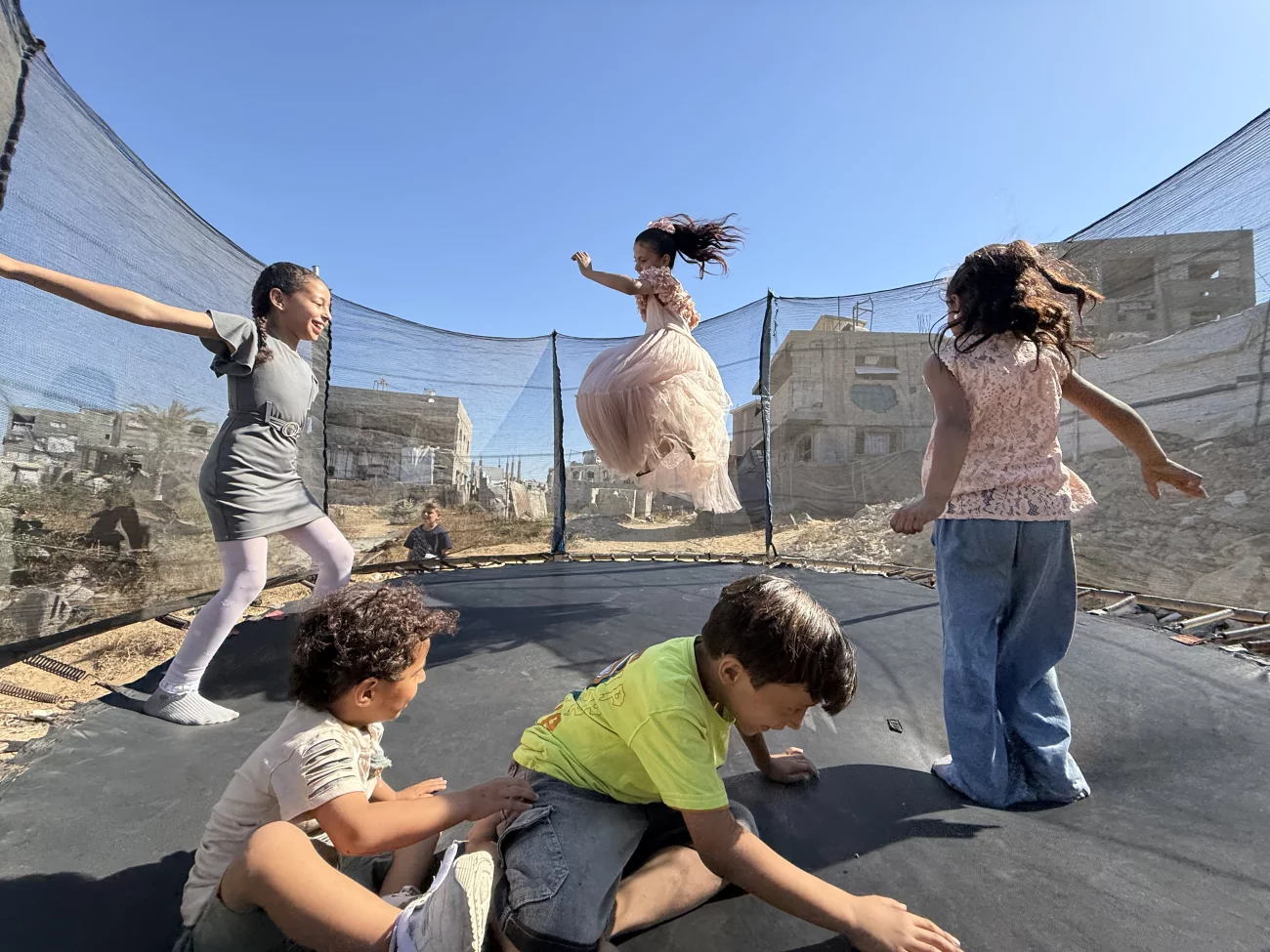
Entire neighborhoods continue recovering from extensive structural damage while access to electricity, clean water and medical care varies significantly from one district to another. Families displaced earlier in the conflict often face difficult decisions about whether to return to partially damaged homes or remain in temporary shelters with limited resources.
Humanitarian organizations emphasize that rebuilding essential services requires both improved security conditions and sustained international support over an extended period.
Gaza Humanitarian Conditions Affect Access to Essential Services
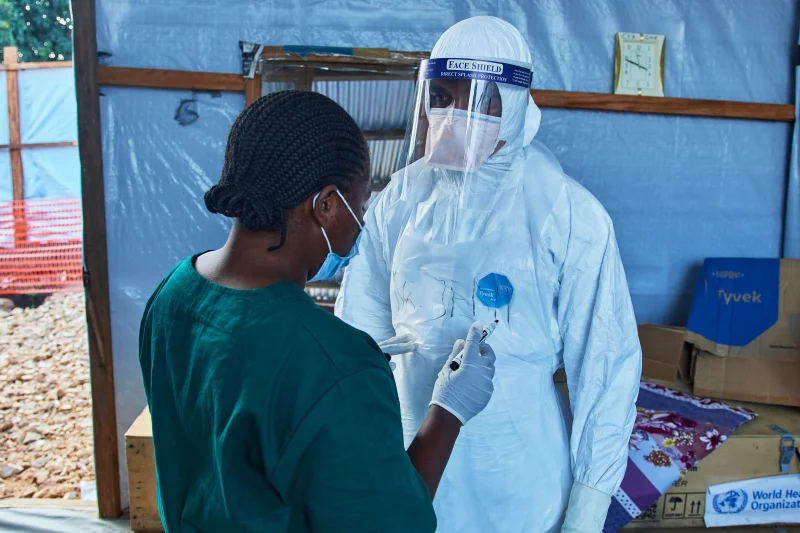
Access to healthcare, food distribution and public utilities remains one of the most significant challenges facing local communities. Many medical facilities continue operating under limited capacity, while repair work on transportation networks and public infrastructure progresses at different speeds across the territory.
Humanitarian response updates are regularly published by United Nations Office for the Coordination of Humanitarian Affairs, which monitors humanitarian needs and relief operations in conflict-affected regions.
Aid agencies report that logistical constraints, damaged roads and security procedures can complicate the delivery of medical supplies, food assistance and construction materials. Restoring public infrastructure requires coordination among multiple organizations while ensuring the safety of both humanitarian personnel and civilians.
Education has also been significantly affected. Many schools continue serving as temporary community facilities or require repairs before normal classroom activities can fully resume.
Recovery Efforts Depend on Security and International Cooperation
Reconstruction efforts involve far more than rebuilding homes. Electricity networks, water treatment systems, healthcare facilities and local businesses all require investment before communities can recover economically.
Information on humanitarian activities and refugee assistance is available through UNRWA, while broader public health guidance for emergency settings is provided by the World Health Organization.
Economic recovery remains slow as many businesses continue operating below previous capacity. Limited employment opportunities have increased financial pressure on households already dealing with rising living costs and interrupted sources of income.
International observers note that long-term stability depends not only on reconstruction funding but also on creating conditions that allow infrastructure projects, commercial activity and humanitarian operations to continue without repeated disruption.
Long-Term Stability Requires Sustainable Civilian Support
Policy experts increasingly argue that humanitarian assistance and long-term development should advance together. Emergency relief addresses immediate needs, while investments in housing, education, healthcare and public infrastructure help strengthen community resilience over time.
Additional information on international humanitarian law and civilian protection is available through International Committee of the Red Cross.
Regional governments, international organizations and humanitarian agencies continue discussing mechanisms that could improve aid delivery, expand reconstruction efforts and support civilian populations affected by prolonged instability. Analysts caution that meaningful recovery will likely require years of coordinated investment, continued diplomatic engagement and reliable access for humanitarian operations across affected communities.