The Congo Ebola outbreak has prompted public health authorities to strengthen surveillance, laboratory testing and emergency response measures as officials monitor reports of suspected infections beyond the areas initially affected. Medical teams are increasing field investigations while local communities receive updated guidance on prevention, early symptom recognition and reporting procedures.
Health specialists emphasize that identifying potential cases quickly remains one of the most effective ways to interrupt transmission. Rapid diagnosis, patient isolation and contact tracing continue to serve as the foundation of outbreak control strategies, particularly in regions where healthcare resources are limited.
International partners are also coordinating logistical support, laboratory capacity and emergency supplies to assist local health services as surveillance activities expand.
Congo Ebola Outbreak Highlights the Importance of Early Detection
Disease surveillance has become a priority as healthcare workers investigate suspected infections and monitor individuals who may have been exposed to the virus. Early detection reduces the likelihood of wider community transmission and allows medical teams to respond before additional chains of infection develop.
Current information about Ebola preparedness and outbreak response is available through World Health Organization.
Field epidemiologists continue interviewing patients, tracing recent contacts and collecting laboratory samples whenever suspected infections are identified. Community engagement also plays a critical role, encouraging residents to seek medical attention promptly if symptoms appear rather than delaying treatment.
Public health officials stress that transparency and timely reporting improve the effectiveness of containment strategies while strengthening public confidence during emergency responses.
Medical Response Faces Operational Challenges
Responding to Ebola outbreaks often requires more than medical expertise alone. Transportation difficulties, limited healthcare infrastructure and the need for specialized protective equipment can complicate response operations, particularly in remote communities.
Regional disease monitoring and emergency coordination continue through AfricaCentres for Disease Control and Prevention, which works alongside national authorities to strengthen surveillance and preparedness.
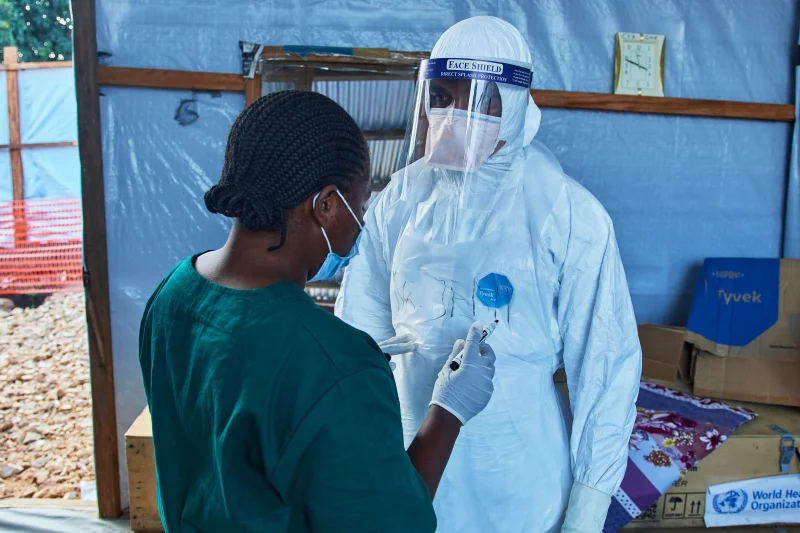
Healthcare workers receive specialized training in infection prevention, safe patient care and laboratory procedures designed to reduce occupational exposure. Mobile treatment units and temporary isolation facilities may also be deployed where permanent medical infrastructure is insufficient.
Researchers continue evaluating improved diagnostic tools and therapeutic approaches while public health agencies monitor the effectiveness of existing response strategies.
International Cooperation Remains Essential to Limiting Transmission
Global health experts agree that containing infectious disease outbreaks requires sustained collaboration between national governments, international organizations and local healthcare providers. Border surveillance, information sharing and laboratory cooperation help reduce the risk of cross-border transmission.
Additional guidance on infectious disease preparedness is available from Centersfor Disease Control and Prevention, while humanitarian medical support in outbreak settings is frequently coordinated with organizations including International Federation of Red Cross and Red Crescent Societies.
Public health authorities continue emphasizing that community participation remains one of the strongest defenses against Ebola. Prompt reporting of symptoms, adherence to medical guidance and sustained investment in healthcare systems are expected to remain central elements of ongoing response efforts as surveillance and containment activities continue across affected regions.