
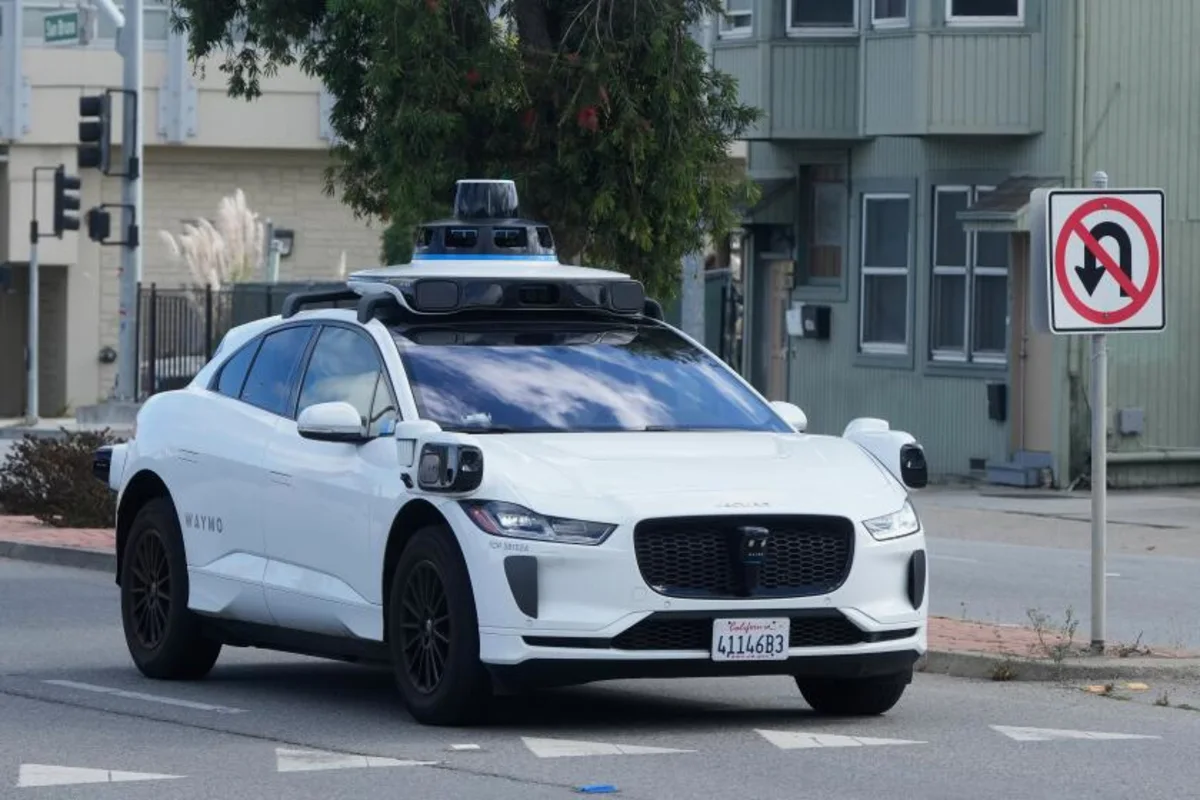
The Waymo privacy concerns debate has intensified after authorities in California reported that one of the company’s autonomous robotaxis alerted law enforcement about suspected criminal activity involving two teenage passengers. The incident has renewed discussions about how self-driving vehicles monitor occupants. In addition, it has raised questions about the extent to which companies may share passenger information with police.
According to local authorities, the autonomous vehicle detected behavior that triggered a safety response, causing the vehicle to stop while police were notified. Officers later contacted the teenagers. They were released to their parents while the investigation continued.
As autonomous transportation expands across major U.S. cities, privacy advocates and technology experts are increasingly examining how these vehicles collect, process, and potentially disclose audio, video, and sensor data.
Robotaxi Surveillance Raises Questions About Passenger Privacy
Modern autonomous vehicles rely on extensive sensor systems that include multiple cameras, microphones, radar, lidar, and other technologies designed to operate safely without a human driver. These systems continuously observe both the vehicle’s surroundings. In many cases, they also monitor activity inside the passenger cabin.
Privacy specialists argue that while continuous monitoring can improve passenger safety and protect company property, it also creates uncertainty about how recorded information may be stored, reviewed, or shared with third parties.
The recent incident has prompted renewed discussion about informed consent. Some experts believe passengers may not fully understand the extent of data collection. Additionally, they may not understand the circumstances under which companies may cooperate with law enforcement during criminal investigations.
Balancing Safety, Security and Data Protection
Supporters of autonomous transportation note that onboard monitoring can help investigate accidents, vandalism, assaults, or other incidents involving passengers. Similar security measures already exist in many rideshare vehicles and public transportation systems.
At the same time, legal and ethics experts emphasize that companies should clearly communicate what information is collected and how long it is retained. They should also clarify under what legal standards it may be disclosed to authorities. Transparency is viewed as essential for maintaining public trust as autonomous transportation becomes more common.
Technology specialists also suggest that privacy-preserving solutions could allow companies to improve vehicle safety while minimizing the collection of personally identifiable information whenever possible.
Autonomous Vehicles Continue to Shape the Privacy Debate
Although robotaxis remain relatively new, they are becoming an increasingly visible part of urban transportation networks. As adoption grows, policymakers, technology companies, and privacy advocates are expected to continue debating the balance between public safety and individual privacy rights.
The Waymo incident illustrates how autonomous vehicles may introduce legal and ethical questions that differ from those involving traditional taxis or rideshare services. Future regulations could establish clearer standards governing passenger surveillance, law enforcement cooperation, and responsible data management.
As autonomous mobility evolves, public confidence will likely depend not only on vehicle safety but also on how companies protect personal information while maintaining transparency about their monitoring practices.