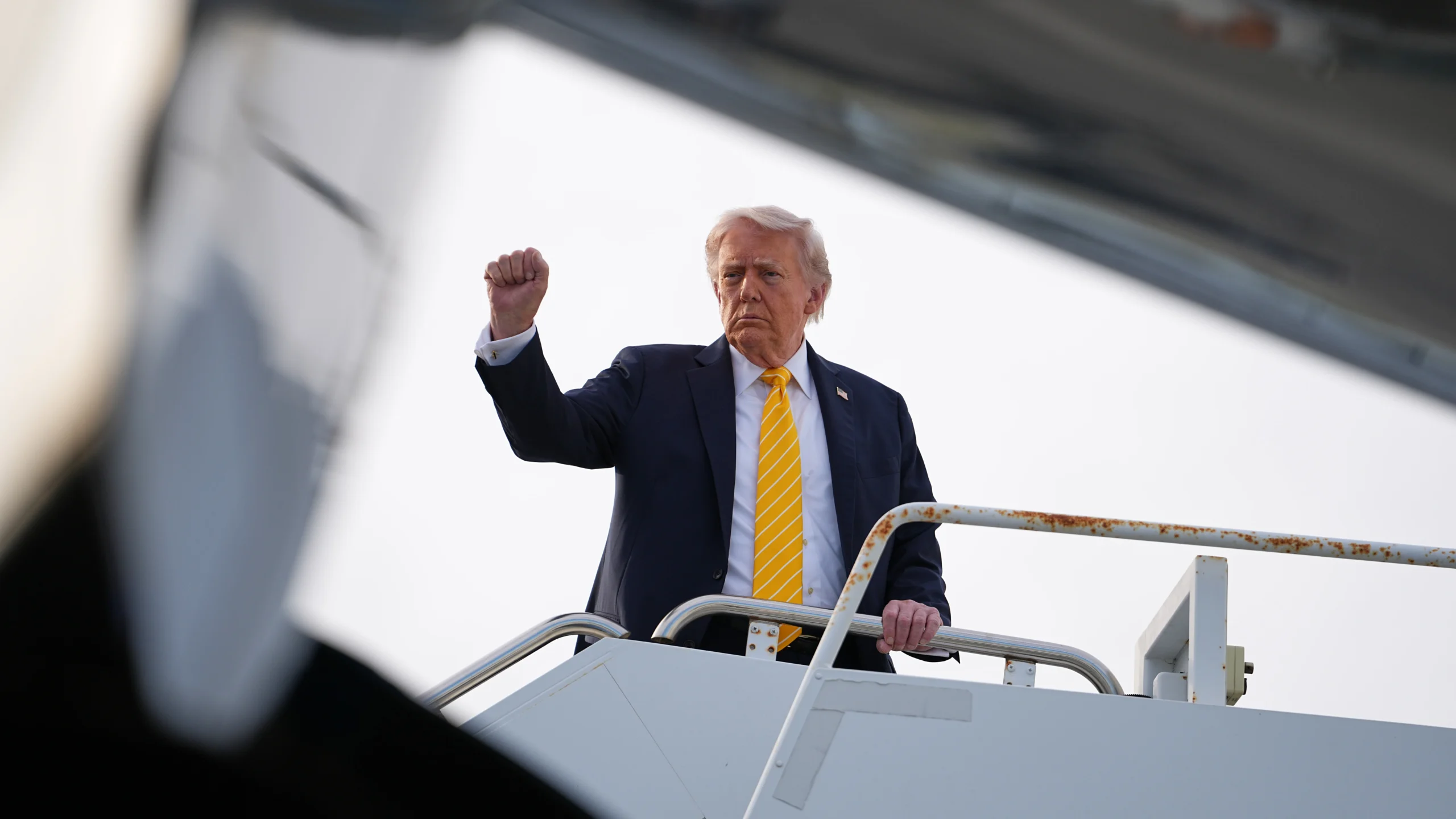
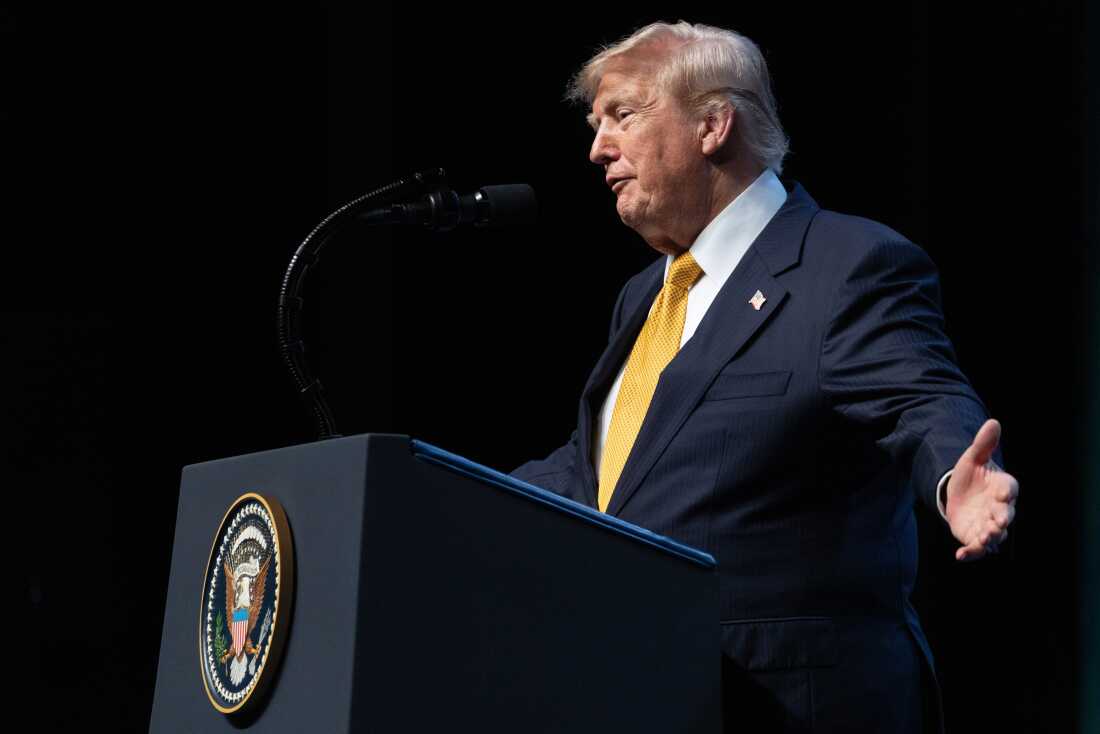
President Donald Trump has once again made accusations of communism a central part of his political messaging as the United States approaches the 2026 midterm elections. Speaking after the NATO summit in Turkey, Trump argued that what he described as communist ideas represent one of the country’s greatest threats, while urging supporters to reject Democratic candidates.
The remarks continue a strategy Trump has frequently used during recent campaigns, portraying parts of the Democratic Party as embracing far-left policies. Similar rhetoric appeared throughout the 2024 presidential race, when Trump regularly referred to Democratic leaders using terms associated with socialism and communism.
A Familiar Political Strategy
Political historians note that accusations of communism have been part of American political discourse since the Cold War. During the 1950s, anti-communist sentiment became a defining feature of national politics, particularly during the era of Senator Joseph McCarthy.
Some analysts argue that Trump’s messaging reflects that historical tradition while adapting it to today’s political environment. By framing progressive policy proposals as ideological threats, the campaign seeks to energize conservative voters and shift attention toward cultural and philosophical differences between the parties.
Democratic Socialism vs. Communism
Political scientists frequently emphasize that democratic socialism and communism are distinct political ideologies.
Democratic socialists generally support maintaining a market-based economy while advocating for expanded public programs, including greater access to healthcare, education, and social services. Communism, by contrast, traditionally calls for replacing private ownership of the means of production with collective or state ownership.
Because of these differences, many political experts describe the two systems as separate despite occasional overlap in public debate.
Economic Concerns Shape the Debate
The renewed rhetoric comes during a period when economic issues remain a major concern for many American voters. Rising energy costs, global geopolitical tensions, and inflation continue to influence public opinion ahead of the elections.
Some Democratic candidates have promoted larger government investments and expanded social programs as responses to these economic challenges. Trump and Republican leaders have instead argued that lower taxes, deregulation, and increased domestic manufacturing provide stronger long-term solutions.
Political analysts suggest the ideological framing may help both parties mobilize their core supporters while competing for independent voters focused primarily on economic performance.
Will the Message Resonate?
Experts remain divided on how effective anti-communist messaging will be with today’s electorate.
Older Americans who lived through the Cold War may respond more strongly to references involving communism because of their historical experience. Younger voters, however, often view politics through different priorities, including housing affordability, healthcare costs, climate policy, education, and employment opportunities.
As the midterm campaign accelerates, economic conditions and voter perceptions of government performance are expected to remain among the most influential issues shaping election outcomes.