
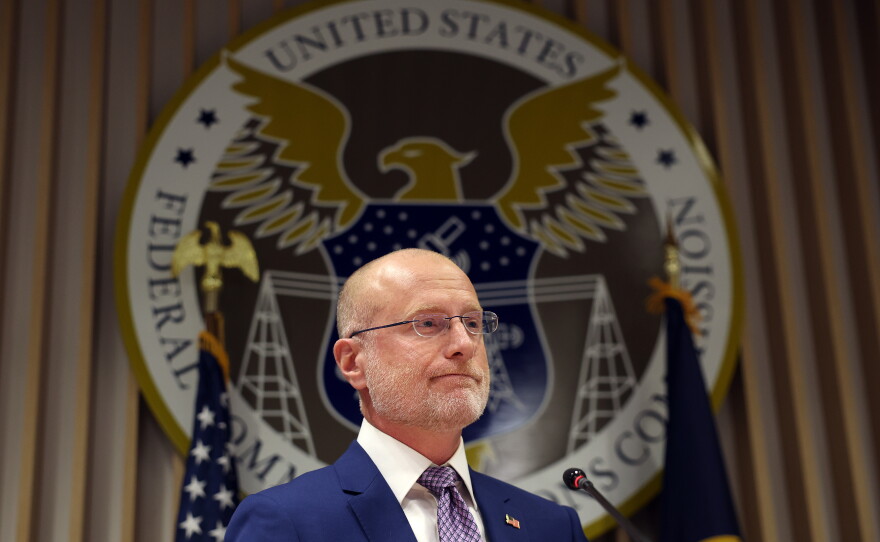
The FCC reviews E-Rate program at a time when nearly every public school and library in the United States depends on reliable internet access for daily operations. The federal initiative, established in 1996, provides discounted broadband and telecommunications services to eligible educational institutions, helping millions of students and educators stay connected.
For many school districts, internet connectivity is no longer simply a classroom resource. Broadband networks support attendance systems, standardized testing, transportation management, administrative services, digital learning platforms, and communication between schools and families.
The Federal Communications Commission recently announced a formal review of the program, creating uncertainty for educators who fear that funding reductions could significantly increase operating costs for schools already facing tight budgets.
Schools Depend on E-Rate Funding for Essential Internet Services
Since its creation, the E-Rate program has helped transform internet access in American education. When Congress established the initiative, only a small percentage of schools and libraries had reliable internet connectivity. Today, broadband access has become nearly universal, allowing educators to integrate digital resources into everyday instruction.
However, maintaining those networks requires continuous investment. Beyond installing fiber-optic infrastructure, school districts must pay recurring monthly service fees that can total thousands of dollars for larger systems.
Educational technology leaders emphasize that these internet expenses function much like electricity or water utilities. Without E-Rate assistance, districts may be forced to divert funding from instructional programs, staffing, or student services to cover rising connectivity costs.
Screen Time Debate Adds New Dimension to FCC Review
The current review has attracted attention because it extends beyond financial oversight. FCC officials have cited growing concerns about children’s screen time and the increasing role of digital technology in classrooms as part of the broader evaluation.
Across several states, policymakers have introduced measures intended to reduce excessive screen use in schools while encouraging more balanced instructional approaches. Even so, education organizations argue that limiting unnecessary device use should not come at the expense of reliable internet infrastructure.
Many schools continue to rely on broadband connections for state testing requirements, digital curriculum delivery, cybersecurity systems, emergency communications, and administrative operations. As a result, educators maintain that internet access remains a foundational component of modern public education regardless of evolving classroom technology policies.
Educators Warn That Changes Could Increase Costs and Complexity
While legal experts note that the Telecommunications Act provides a statutory foundation for the E-Rate program, stakeholders remain concerned that regulatory changes could make participation significantly more difficult for schools and libraries.
Education advocates caution that additional administrative requirements, expanded compliance obligations, or reduced funding levels could discourage participation even if the program itself remains in place. Smaller school districts and rural communities, which often have fewer financial resources, may be particularly vulnerable to increased costs or more complex application procedures.
As the FCC continues its review, school leaders, libraries, and education organizations are closely monitoring potential policy changes that could influence broadband affordability for millions of students across the country. The outcome of the review may shape how educational institutions maintain digital connectivity while balancing instructional priorities and long-term budget planning.