
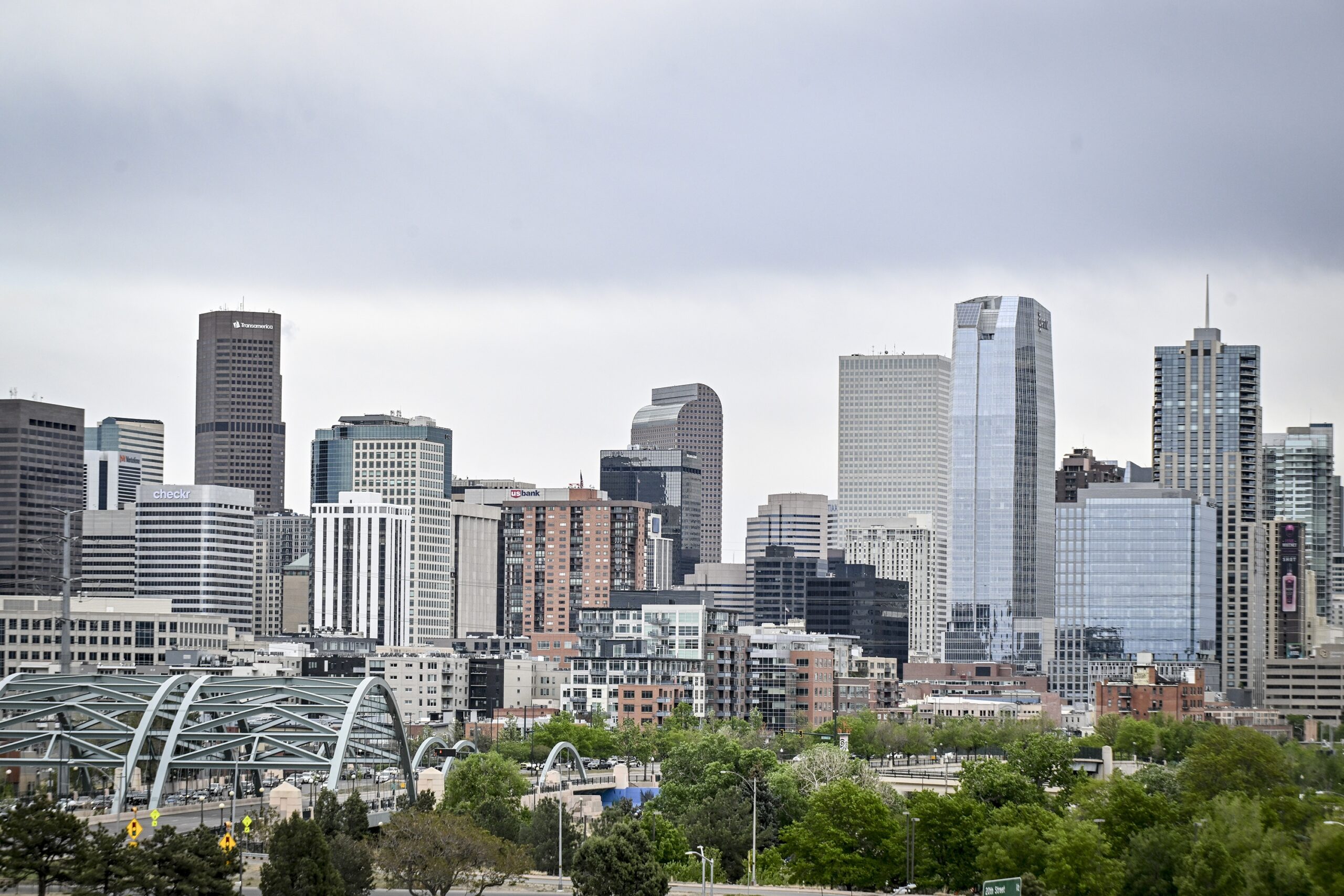
Denver Pushes Forward With Unconventional Green Energy Strategy
Denver is preparing to transform the way large urban buildings are heated and cooled by launching an ambitious clean energy initiative that combines geothermal technology, recycled water systems and heat extracted from sewage infrastructure.
City officials believe the project could dramatically reduce greenhouse gas emissions produced by downtown office towers, apartment complexes and public buildings while also lowering long-term operational costs for taxpayers.
At the center of the initiative is the historic Cherokee Boiler House, an aging industrial facility located near downtown Denver that city leaders hope to convert into a central energy hub for a district-wide thermal network. Though the structure currently appears abandoned and deteriorated, officials see it as a critical piece of Denver’s climate strategy.
Mayor Mike Johnston described the facility as a symbol of how older industrial infrastructure can be repurposed to support modern sustainability goals. Rather than demolishing the site, Denver plans to transform it into a cleaner energy distribution center capable of helping entire neighborhoods reduce dependence on fossil fuels.
The project reflects a broader movement among major American cities seeking alternatives to natural gas heating systems as local governments confront stricter climate goals and rising energy costs. Buildings currently account for one of the largest sources of carbon emissions in urban areas because heating and cooling systems still rely heavily on oil, gas and coal-generated electricity.
Officials in Denver believe thermal energy networks may offer one of the most scalable solutions for reducing emissions from large buildings without requiring every property owner to independently install expensive green technologies.
Additional information about Denver’s climate action programs is available through City and County of Denver Climate Office.
How Sewage and Underground Heat Could Power Entire City Blocks
The technology behind Denver’s proposal centers on capturing and redistributing naturally occurring heat energy rather than generating traditional fossil fuel combustion.
Wastewater flowing through city sewer systems maintains relatively stable temperatures year-round. Engineers can extract that thermal energy using heat exchangers and advanced pump systems, allowing buildings to be warmed during colder months and cooled during warmer periods.
The process works alongside geothermal energy systems that tap into underground temperatures beneath the Earth’s surface. Together, these technologies create a district energy network capable of sharing heating and cooling resources among multiple buildings simultaneously.
Instead of every skyscraper maintaining its own separate boiler and air conditioning infrastructure, connected buildings would receive thermal energy from a centralized system. This significantly improves efficiency while reducing fuel consumption and emissions.
The concept has gained attention internationally as cities search for alternatives to conventional energy grids. Thermal networks are already being tested or expanded in parts of Europe and North America, particularly in urban districts with dense infrastructure and high energy demand.
Denver officials believe the Cherokee Boiler House could eventually support a wide range of public and private properties downtown, including offices, residential towers and government buildings.
The initiative also aligns with broader clean energy efforts being promoted by organizations such as U.S. Department of Energy and Environmental Protection Agency, both of which continue investing in low-emission heating technologies and urban sustainability research.
Experts say district thermal systems may become increasingly important as American cities face pressure to modernize aging infrastructure while simultaneously reducing climate pollution.
Denver’s Climate Goals Could Reshape Urban Infrastructure Across the U.S.
Denver has committed to reaching net-zero greenhouse gas emissions by 2040, a target that requires major changes across transportation, construction, electricity usage and building operations.
Because buildings represent one of the city’s largest contributors to emissions, officials view heating and cooling reform as essential to achieving long-term environmental goals. Fossil fuel-powered boilers remain deeply embedded throughout commercial real estate in most American downtown areas, making decarbonization particularly difficult.
The proposed district energy system could help Denver avoid millions of dollars in future energy costs while reducing dependence on volatile fuel markets. City leaders also believe centralized thermal systems may improve long-term energy reliability as climate-related weather extremes become more common.
Urban planners across the United States are closely watching projects like Denver’s because they could influence how future cities are designed and retrofitted. Aging industrial facilities, utility corridors and sewer infrastructure may increasingly become part of climate adaptation strategies rather than remaining obsolete assets.
The project may also create new economic opportunities tied to clean infrastructure development, engineering and energy technology deployment. Analysts expect investments in thermal networks, geothermal systems and low-carbon construction to grow significantly over the next decade as governments expand climate-focused spending initiatives.
Research and policy developments related to geothermal and district energy systems are also being monitored through National Renewable Energy Laboratory, which is headquartered in Colorado and plays a major role in advancing renewable energy technologies in the United States.
While the project remains in development, Denver officials argue that the city’s unconventional approach reflects a larger shift happening across the global energy sector. Infrastructure once considered waste systems — including sewage networks and underground thermal resources — are increasingly being viewed as valuable tools in the transition away from fossil fuels.
If successful, Denver’s experiment could become a blueprint for other major metropolitan areas seeking cleaner, more affordable and more resilient energy systems for the future.