U.S. Justice Department Announces Historic Charges Against Raúl Castro
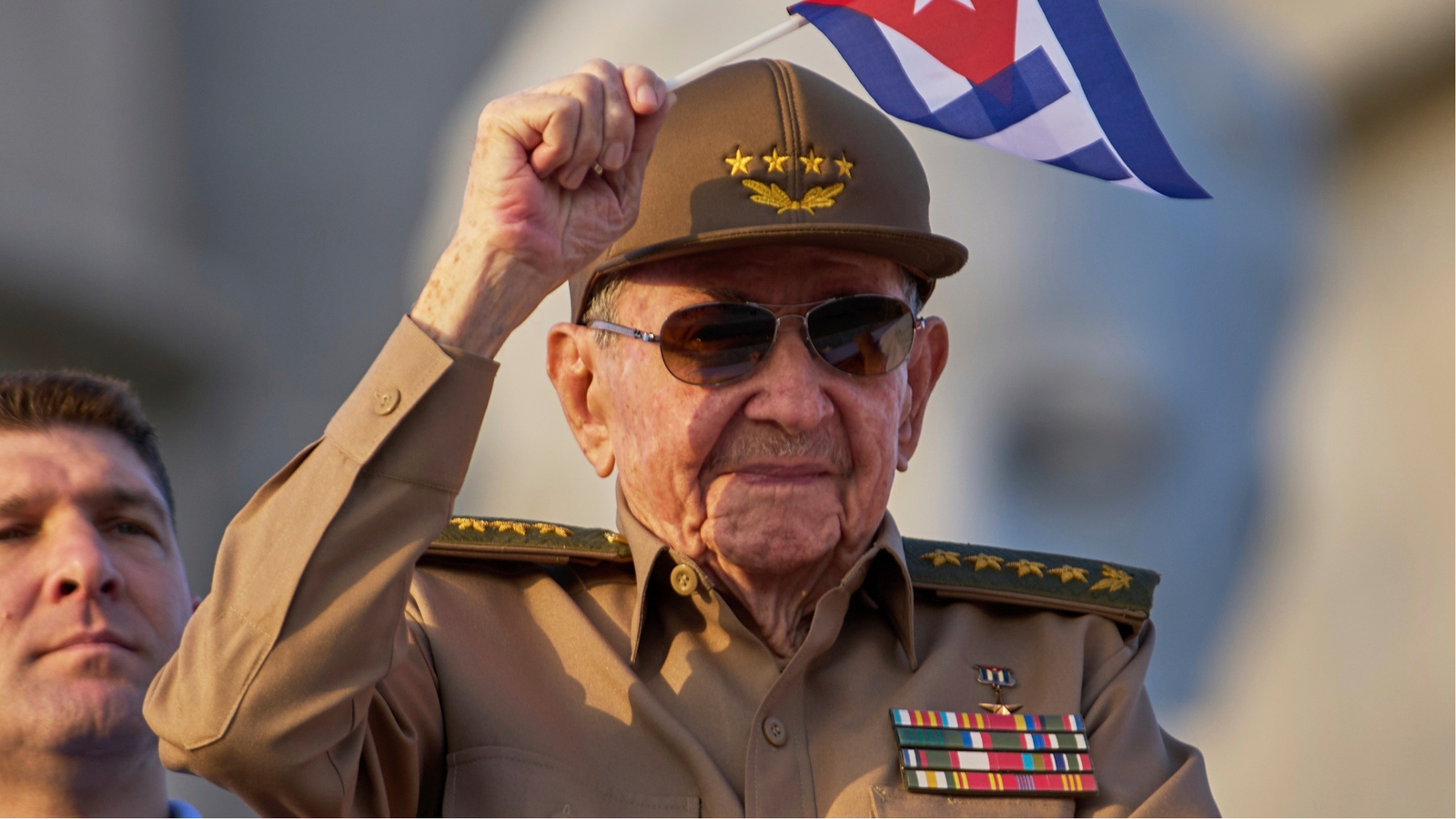
Raúl Castro has been indicted by a federal grand jury in the United States in connection with the 1996 destruction of two civilian aircraft operated by the humanitarian organization Brothers to the Rescue, a case that remained one of the most controversial chapters in modern U.S.-Cuba relations for nearly three decades.
The announcement was made by Acting Attorney General Todd Blanche during an event held at Miami’s Freedom Tower, a landmark deeply connected to the Cuban exile community in South Florida. Federal prosecutors accused Castro and several former Cuban military officials of participating in a conspiracy that led to the deaths of four men, including three American citizens.
According to court documents, the charges include conspiracy to kill U.S. nationals, destruction of aircraft and four individual murder counts tied to the February 24, 1996 incident in which Cuban military jets shot down two unarmed planes over international waters.
The individuals killed in the attack were Carlos Costa, Armando Alejandre Jr., Mario de la Peña and Pablo Morales. They were members of Brothers to the Rescue, a Miami-based humanitarian group known for searching the Florida Straits for Cuban migrants attempting to flee the island on makeshift boats and rafts.
Federal prosecutors also charged several former Cuban military officials, including Lorenzo Alberto Perez-Perez, Emilio José Palacio Blanco, José Fidel Gual Barzaga, Raul Simanca Cardenas and Luis Raul Gonzalez-Pardo Rodriguez. Investigators allege that Perez-Perez served as one of the fighter pilots involved in the operation.
The indictment was originally filed on April 23 by a federal grand jury in Miami before being publicly unsealed on May 20, a symbolic date recognized as Cuban Independence Day.
The Brothers to the Rescue Incident Reshaped U.S.-Cuba Relations
The 1996 shootdown became an international flashpoint and dramatically escalated tensions between Washington and Havana during the post-Cold War era.
Brothers to the Rescue had emerged in the early 1990s as a humanitarian organization dedicated to locating Cuban migrants stranded at sea. The group frequently conducted flights over the Florida Straits to identify rafters attempting the dangerous journey toward the United States. Over time, Cuban authorities accused the organization of violating Cuban airspace and supporting anti-government activism.
On February 24, 1996, Cuban MiG fighter jets intercepted and destroyed two of the organization’s civilian aircraft. International investigations later concluded that the planes were shot down in international airspace, a finding that intensified global criticism against the Cuban government.
The incident generated immediate outrage within the Cuban-American community and among U.S. lawmakers. The attack directly influenced Congress to strengthen and formally codify the long-standing U.S. embargo against Cuba through the Helms-Burton Act, which remains one of the central pillars of American policy toward the island today.
The case has long remained politically and emotionally significant in South Florida, particularly among families connected to the victims and exile organizations advocating accountability for the attack.
Additional details about U.S. sanctions and bilateral policy can be found through U.S. Department of State, while historical information related to the embargo and Cuba policy continues to be monitored by U.S. Department of the Treasury and Library of Congress.
Indictment Signals Growing Pressure on Cuba Amid Renewed Diplomatic Tensions
The indictment arrives during a period of increasingly tense relations between the United States and Cuba, despite recent diplomatic contacts between officials from both countries.
Reports indicate that John Ratcliffe recently met with Cuban officials during a visit to Havana earlier this month, including members of the Castro family. At the same time, the current U.S. administration has intensified political pressure on the Cuban government through sanctions, legal actions and public rhetoric targeting the island’s leadership.
During the Miami announcement, Todd Blanche described the indictment as a message that crimes involving American citizens would continue to be pursued regardless of how much time had passed or how powerful the accused individuals may have once been.
Federal authorities confirmed that an arrest warrant has been issued for Castro, who is now 94 years old. However, officials declined to explain whether the United States intends to pursue extradition efforts or other international legal mechanisms to bring him into federal custody.
The case also carries broader geopolitical implications because it reflects an expanding strategy by Washington to use criminal prosecutions as part of its pressure campaign against foreign political leaders accused of targeting American citizens abroad.
Analysts note that while the likelihood of Castro appearing in a U.S. courtroom remains uncertain, the symbolic impact of the indictment is substantial. Raúl Castro remains one of the most recognizable figures associated with Cuba’s communist revolution and decades-long political structure established alongside his brother, Fidel Castro.
The latest developments surrounding the case are also drawing attention across international organizations and legal observers following diplomatic relations in the region through platforms such as United Nations.