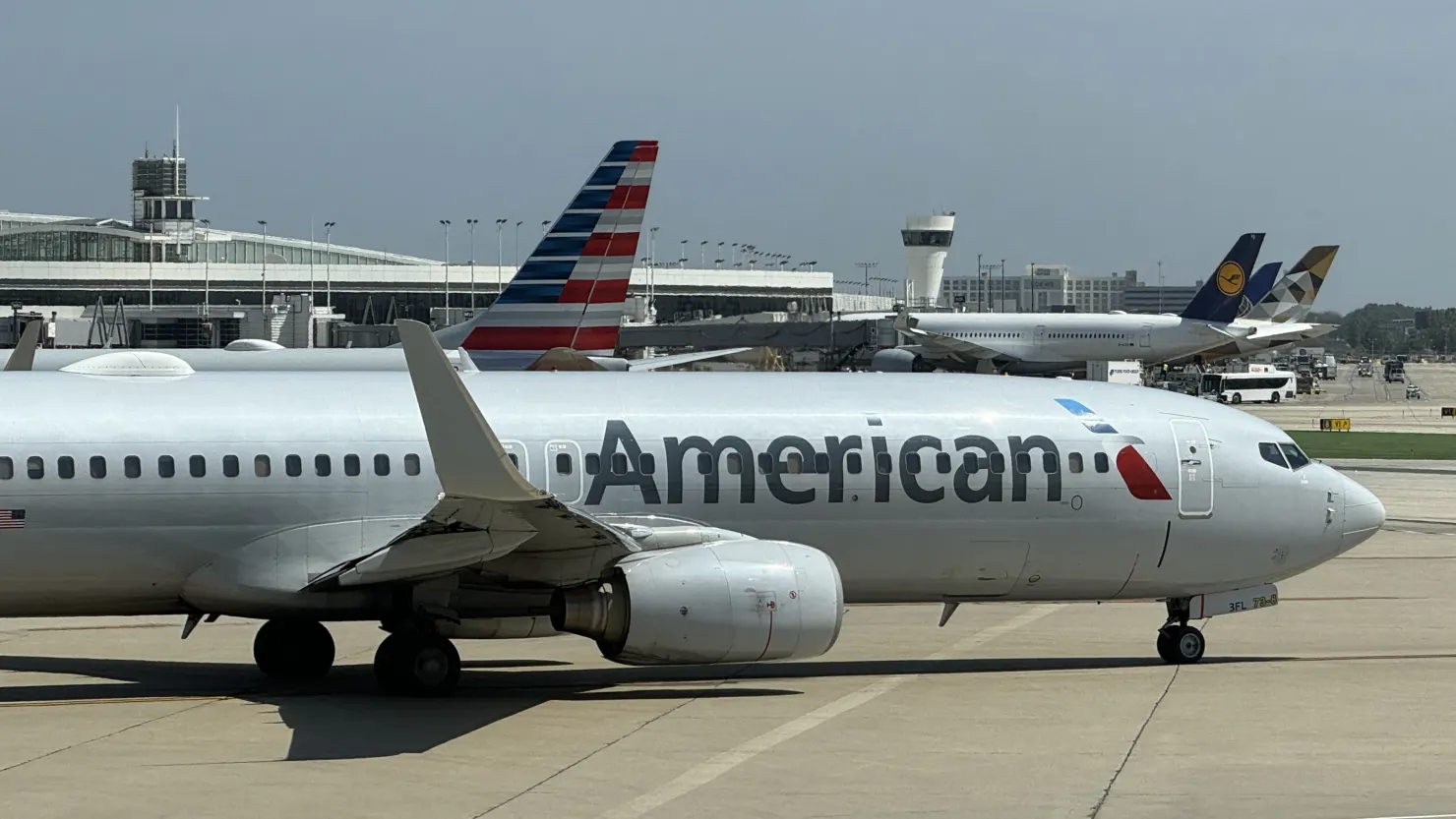
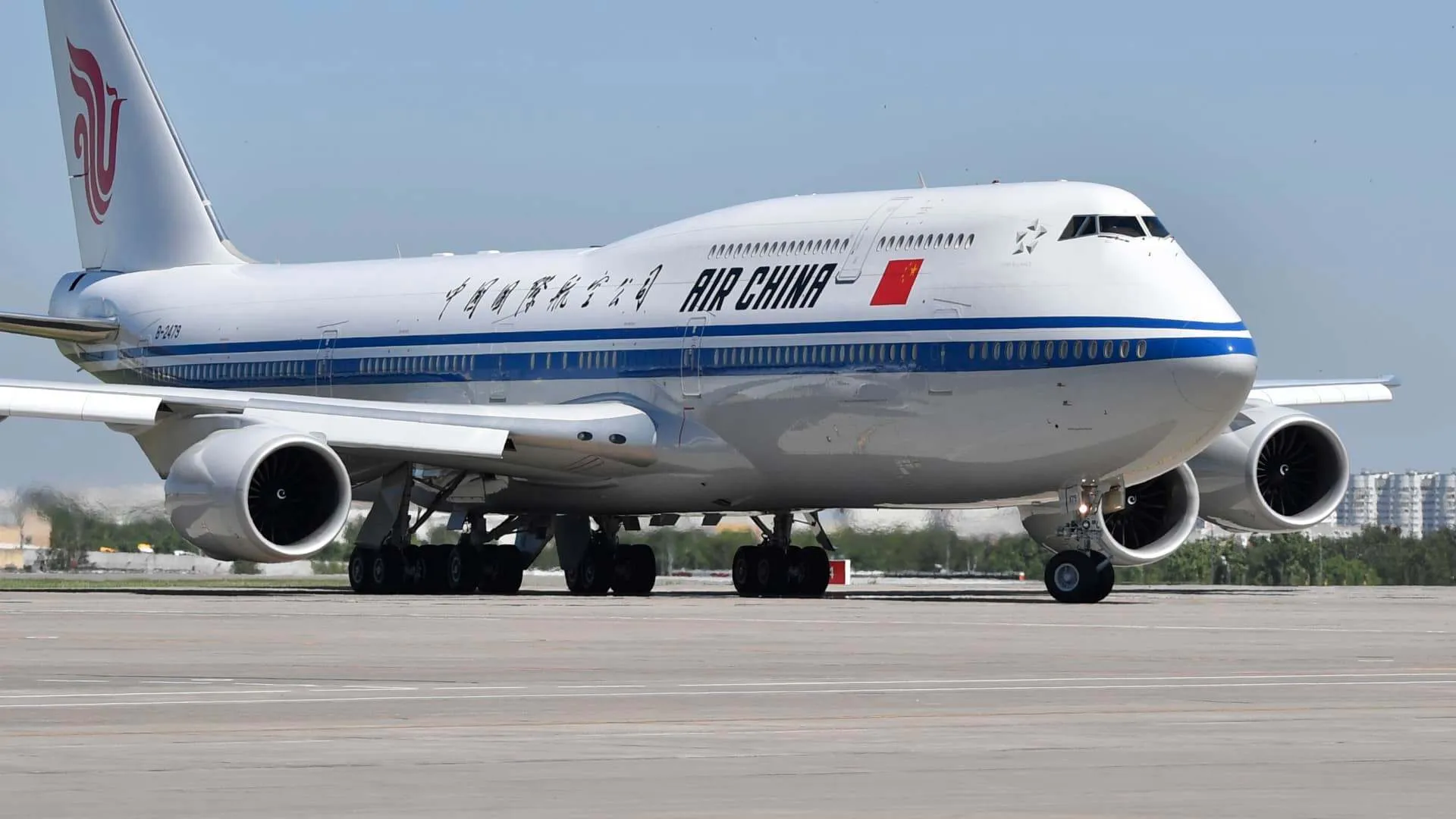
China has officially confirmed a major aviation agreement to purchase 200 Boeing aircraft following the recent summit between U.S. President Donald Trump and Chinese President Xi Jinping in Beijing. This China Boeing jet agreement marks one of the largest commercial aviation commitments between the two countries in recent years and signals renewed momentum in economic relations between the world’s two largest economies.
Chinese officials stated that the agreement includes additional cooperation involving aircraft engine components and supply guarantees from American manufacturers. The deal arrives at a time when both governments are attempting to stabilize trade relations after years of tariffs, export restrictions, and geopolitical tension that affected sectors ranging from technology to agriculture and transportation.
The aircraft purchase is also viewed as a significant breakthrough for Boeing, which has struggled for years to regain access to the Chinese aviation market amid political disputes between Washington and Beijing. Analysts believe the agreement could help strengthen confidence in the aerospace industry while creating long-term opportunities for suppliers connected to the aviation sector.
The announcement came shortly before Chinese President Xi Jinping held additional diplomatic meetings with Russian President Vladimir Putin, highlighting Beijing’s effort to maintain economic and strategic relationships with multiple global powers simultaneously.
Boeing Returns to the Chinese Market
The aircraft agreement represents a major turning point for Boeing after years of limited access to Chinese airline orders. Industry experts say the deal could eventually expand beyond the initial 200 aircraft commitment if trade negotiations continue progressing positively.
President Trump described the agreement as one of the largest aviation commitments ever discussed between the two nations, suggesting that additional orders involving hundreds of planes could follow in future phases of cooperation. Boeing executives also expressed optimism that the Chinese market is reopening after an extended period of uncertainty.
According to company representatives, the initial commitment may serve as the foundation for broader commercial partnerships involving maintenance services, aviation technology, and future aircraft deliveries over several years.
The agreement is especially important because China remains one of the fastest-growing aviation markets in the world. Increased passenger demand, expanding domestic travel networks, and international route growth continue driving airline fleet expansion across the country.
Executives from several major American companies joined Trump during the Beijing visit, including leaders from the aerospace, technology, automotive, and semiconductor industries. Their presence underscored how critical trade relations with China remain for U.S. corporations seeking access to international markets.
Industry analysts tracking global aircraft manufacturing say renewed Chinese demand could significantly strengthen Boeing’s production outlook while also benefiting suppliers tied to engine manufacturing, electronic systems, and aviation infrastructure.
The aviation agreement also reflects broader efforts by both governments to reduce economic friction after years of uncertainty that disrupted international supply chains and weakened investor confidence.
Tariff Negotiations Continue Between Washington and Beijing
In addition to the aircraft purchase, Chinese officials confirmed that both sides are working toward extending their existing tariff truce, which was originally negotiated last year. Trade officials are reportedly discussing additional tariff reductions involving more than $30 billion worth of goods from each country.
The current agreement temporarily eased some import duties imposed during earlier trade disputes while also addressing concerns involving rare earth mineral exports and manufacturing components considered essential for industrial production.
Economic analysts believe extending the tariff pause could help stabilize financial markets and reduce pressure on manufacturers dealing with rising operational costs. Businesses in both countries have repeatedly warned that prolonged trade restrictions could slow investment and disrupt global commerce.
The renewed discussions also include efforts to improve agricultural trade between the United States and China. American producers are expected to benefit from expanded Chinese demand for soybeans, grains, and other agricultural products following the recent diplomatic talks.
Trade experts following international commerce negotiations say the latest developments suggest both governments are prioritizing economic stability despite continuing geopolitical disagreements in other areas.
The two countries had previously reached a temporary tariff understanding during meetings in Southeast Asia before formalizing additional commitments during later diplomatic engagements. That framework helped reduce some tensions surrounding import taxes and export controls while reopening dialogue on investment cooperation.
Officials from both governments indicated that negotiations remain ongoing and that additional economic measures could be announced in the coming months depending on progress in bilateral discussions.
Strategic Diplomacy Expands Beyond Trade
The confirmation of the Boeing agreement arrived as Xi Jinping hosted Russian President Vladimir Putin for separate talks in Beijing. The timing of the meetings has drawn international attention because China continues balancing relationships with both Washington and Moscow while navigating complex geopolitical tensions.
Chinese officials have emphasized that economic cooperation with the United States does not conflict with Beijing’s strategic partnership with Russia. Analysts say China is attempting to maintain stable ties with multiple global powers while protecting its own economic interests.
Russia remains one of China’s most important energy suppliers, particularly in oil and natural gas exports. Meanwhile, the United States continues to be a critical market for Chinese manufacturing and technology sectors despite ongoing political disputes.
Observers monitoring global economic stability note that stronger communication between Washington and Beijing could help reduce uncertainty across international markets, especially during a period marked by supply chain disruptions and slower global growth.
Technology also emerged as a central theme during Trump’s visit to Beijing. Executives from major American firms involved in electric vehicles, artificial intelligence, and semiconductor production joined the delegation, signaling the growing importance of advanced technology in future trade discussions.
The participation of major technology leaders fueled speculation that future negotiations may address export controls, AI cooperation, semiconductor access, and manufacturing investments. These sectors have become increasingly important in the broader competition between the United States and China.
Analysts tracking global aviation demand say the Boeing agreement could eventually influence other industries by encouraging broader business cooperation and increasing investor confidence in long-term U.S.-China trade relations.