
Key Primary Elections Across the U.S. Begin Defining the 2026 Midterms
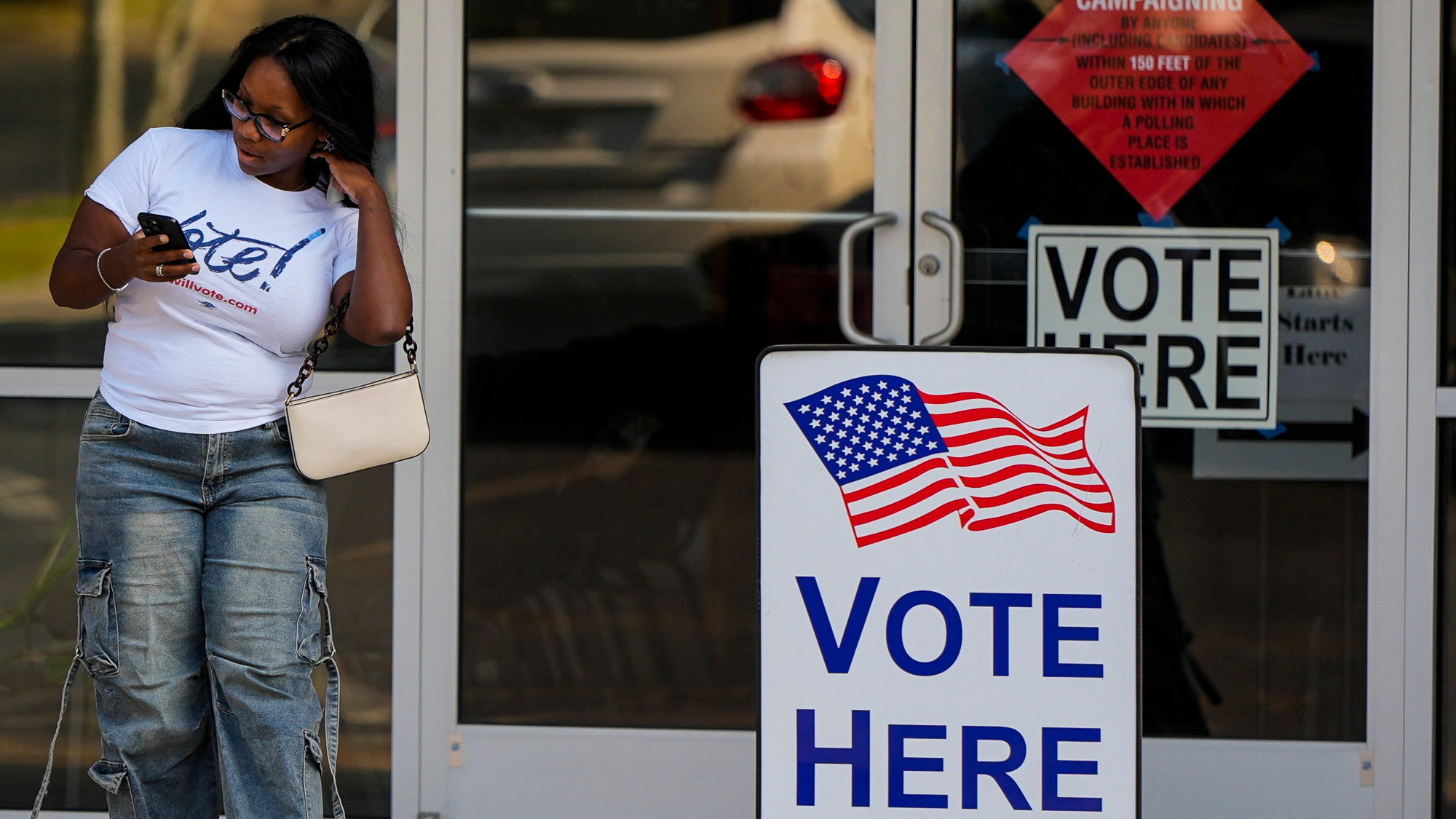
Voters across six U.S. states headed to the polls Tuesday in one of the busiest primary election days of the 2026 midterm cycle, delivering early signals about the balance of political power heading into November.
Primary contests in Alabama, Georgia, Idaho, Kentucky, Oregon and Pennsylvania highlighted several themes already shaping the national political environment, including President Donald Trump’s continued influence inside the Republican Party, rising Democratic voter engagement and growing public concern over inflation, fuel costs and international tensions.
The elections also reflected how local races are increasingly being shaped by national political debates. Issues such as the economy, immigration, the war involving Iran and questions surrounding voting rights played central roles in campaign messaging across multiple states.
Political strategists are closely monitoring these primaries because control of Congress remains highly competitive. Several races are expected to determine whether Republicans maintain influence in the House and Senate or whether Democrats can regain momentum heading into the general election.
National election information and voter resources continue to be updated through Federal Election Commission and National Conference of State Legislatures.
Trump-Backed Candidates Gain Ground in Kentucky and Southern Races
One of the most closely watched outcomes came in Kentucky, where Trump-backed candidates scored important victories that reinforced the former president’s ongoing control over Republican primary voters.
Incumbent Congressman Thomas Massie lost his Republican primary challenge after facing criticism from Trump allies over disagreements with parts of the president’s political agenda. The defeat marked another example of how candidates perceived as insufficiently loyal to Trump continue facing pressure within the Republican Party.
Meanwhile, Republican Congressman Andy Barr secured the GOP nomination in the race to replace retiring Senator Mitch McConnell. Barr is expected to face Democratic candidate Charles Booker in one of the state’s most important Senate contests in decades.
In Alabama, voters also focused on a major gubernatorial race as Republican Senator Tommy Tuberville advanced toward a general election matchup against former Democratic Senator Doug Jones.
Alabama’s election process was additionally complicated by recent redistricting changes connected to ongoing legal disputes over voting maps and representation. Some congressional district primaries were postponed following court rulings tied to the Voting Rights Act and Supreme Court decisions affecting redistricting standards.
Legal developments involving election maps and voting regulations continue to be monitored through Supreme Court of the United States and U.S. Election Assistance Commission.
Political analysts say the southern primaries illustrate how Republican campaigns remain deeply connected to Trump’s endorsement power while also revealing internal party divisions over policy direction and electability heading into the general election season.
Democratic Turnout and Competitive House Races Intensify National Attention
In Georgia, Democrats generated strong turnout numbers that surprised some political observers and reinforced the party’s continued competitiveness in key battleground states.
Election officials reported that Democratic voters accounted for a larger share of total ballots cast compared to Republicans, signaling sustained grassroots engagement despite broader national political challenges facing the party.
The race to challenge Democratic Senator Jon Ossoff is expected to become one of the most expensive and nationally watched Senate contests of 2026. On the Republican side, businessman Rick Jackson and Lieutenant Governor Burt Jonesadvanced toward a runoff election after neither candidate secured enough support to win outright.
Democrats also celebrated a victory by former Atlanta Mayor Keisha Lance Bottoms, who secured her party’s gubernatorial nomination and is expected to play a major role in Georgia’s general election campaign.
In Pennsylvania, several closely contested congressional races gained national attention because they could help determine control of the U.S. House of Representatives. State Representative Chris Rabb won a high-profile Democratic primary in Philadelphia after campaigning on progressive priorities and emphasizing issues such as foreign policy, campaign finance reform and social justice.
Political observers continue identifying Pennsylvania as one of the most important swing states in the country due to its combination of suburban, urban and rural voting blocs. Multiple Republican-held districts remain highly competitive heading into November.
Meanwhile, Oregon voters selected candidates for the state’s gubernatorial election and rejected a proposal that would have created a statewide gas tax system. Republican State Senator Christine Drazan will face Democratic Governor Tina Kotek in a rematch of the closely watched 2022 governor’s race.
In Idaho, all legislative seats were on the ballot, making it one of the largest statewide election events of the primary season. The results are expected to shape the future direction of Republican politics in one of the nation’s most conservative states.
As the 2026 midterms continue to unfold, both parties are increasingly focusing resources on turnout operations, fundraising and messaging strategies aimed at persuading independent voters concerned about affordability, international instability and political polarization.
The outcomes from Tuesday’s elections suggest that the battle for control of Congress is likely to remain highly competitive through the remainder of the election cycle, with several states emerging as decisive political battlegrounds for the future of Washington.