
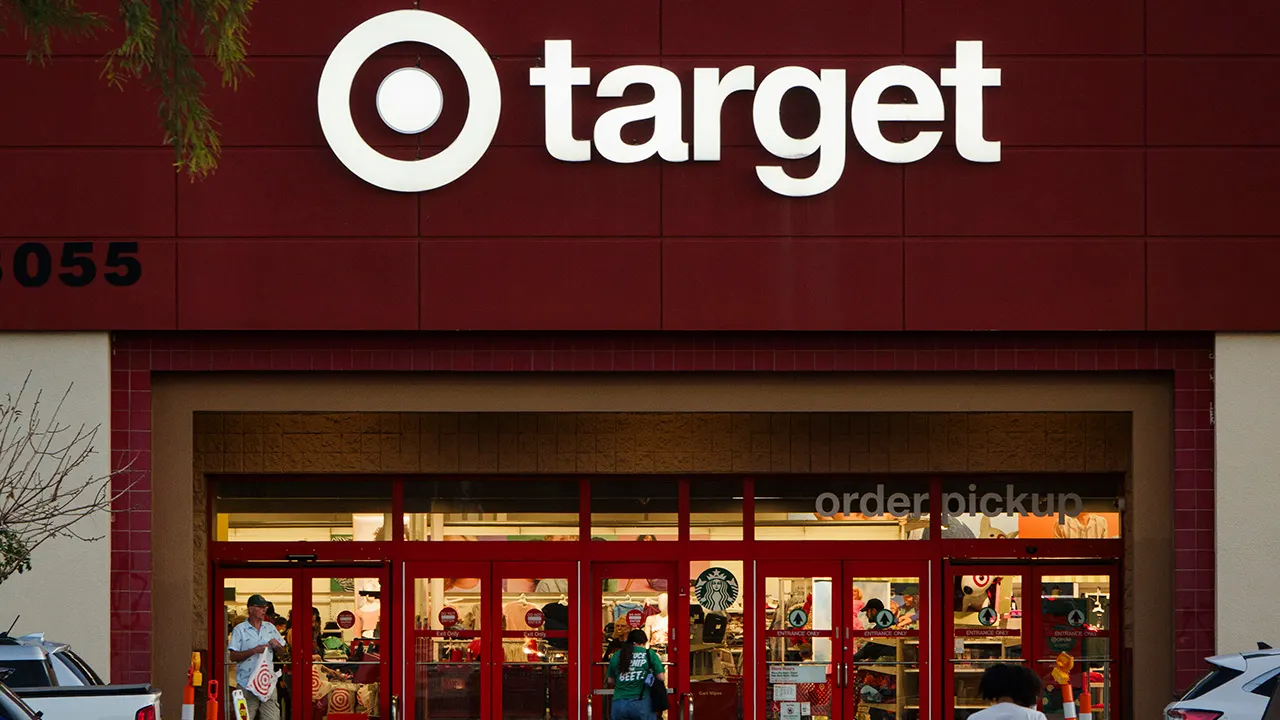
Target delivered stronger-than-expected quarterly earnings and revenue results as the retailer showed signs that its turnaround strategy is beginning to gain traction. These results and strategic improvements put the spotlight on Target sales growth 2026. Investors are now looking ahead. The company reported a significant increase in customer traffic and improving digital performance. Additionally, there was renewed demand across several key product categories. These factors helped it post its first positive comparable sales growth in more than a year.
The retailer said net sales climbed more than 6% compared with the same period last year. Same-store sales increased 5.6% as well. This marked a major shift after several quarters of declining performance. Executives attributed the gains to investments in merchandising and store upgrades. In addition, digital convenience and loyalty programs encouraged repeat shopping behavior.
Despite the strong financial performance, investors reacted cautiously as concerns remain over consumer spending trends, inflationary pressure, and broader economic uncertainty. Shares moved lower following the earnings release. Meanwhile, analysts assessed whether the retailer’s recent momentum can continue throughout the year.
Target executives emphasized that the company remains focused on improving the customer experience through faster delivery options and updated product assortments. They are also expanding services. Furthermore, the retailer has accelerated investments in technology and supply chain infrastructure. This is part of a broader effort to modernize operations and compete more aggressively with rivals in the retail industry.
Comparable Sales Return to Growth
One of the biggest highlights from the quarter was the rebound in comparable sales, which had remained negative for several consecutive quarters. Increased traffic across both physical stores and digital channels played a central role in the improvement.
The company said digital comparable sales rose 8.9%, fueled largely by same-day delivery options connected to its loyalty membership platform. Executives noted that convenience services continue to influence consumer shopping habits. In particular, customers prioritize speed and flexibility when purchasing household items, groceries, and personal care products.
The retailer also pointed to growing momentum in nonmerchandise revenue streams, including membership subscriptions and its third-party marketplace business. Similar strategies have been adopted by other major retailers as companies seek additional profit sources beyond traditional product sales.
Target’s leadership highlighted increased demand in categories such as baby products, toys, wellness, and health-related merchandise. The company believes these segments are benefiting from refreshed product selections and targeted marketing campaigns. These are aimed at younger families and value-conscious consumers.
The retailer is also continuing its physical expansion strategy. During the quarter, the company opened several new locations while continuing remodel projects across more than 100 stores nationwide. Investments in updated layouts, pickup services, and digital integration remain central to the company’s long-term growth plans.
Executives said they expect operational improvements to continue throughout the year as the company refines inventory management and introduces new seasonal product lines. According to Target’s corporate platform, the retailer is prioritizing modernization projects. These are designed to improve both profitability and customer engagement.
Higher Spending Pressures Consumer Budgets
Even with stronger results, Target executives acknowledged that consumers continue to face financial pressure from rising living costs and economic uncertainty. Higher gasoline prices, elevated borrowing costs, and inflation across essential goods have made shoppers increasingly selective about discretionary spending.
Company leadership described customers as “resilient,” but noted that purchasing decisions are becoming more intentional. Many households are focusing more heavily on value-driven shopping, promotional offers, and essential categories rather than luxury or impulse purchases.
Target’s gross margin also improved slightly during the quarter, exceeding analyst expectations. However, company executives cautioned that global trade uncertainty and tariff-related issues may still create challenges in future quarters.
The retailer confirmed it is working through processes related to tariff adjustments and import costs. At the same time, it is monitoring how policy shifts could impact profit margins later in the year. Analysts say retailers across the country continue to face pressure from changing supply chain costs and unpredictable consumer demand patterns.
Industry observers tracking U.S. retail spending trends note that many companies are adapting by expanding digital services and improving loyalty programs. Moreover, they are restructuring inventories to match changing shopper priorities.
Target also plans to significantly increase capital expenditures this year, with approximately $5 billion expected to be invested into supply chains, technology systems, and store improvements. Executives believe these investments are necessary to strengthen long-term competitiveness. They also aim to improve operational efficiency.
Turnaround Strategy Expands Across Stores and Digital
Executives indicated that 2026 will bring one of the company’s largest merchandising transformations in years. Planned initiatives include major updates to food and beverage assortments, expanded beauty services, and redesigned home décor offerings across hundreds of stores.
Target Beauty Studio, a newer in-store concept focused on cosmetics and wellness products, is expected to expand rapidly as the retailer competes for younger shoppers and higher-margin purchases. At the same time, the company plans to refresh decorative accessory sections in roughly 75% of its stores.
The retailer’s leadership believes combining affordable pricing with exclusive product designs will help distinguish the brand in an increasingly competitive retail landscape. Executives repeatedly stressed that creating a “distinct Target experience” remains a priority as consumer expectations continue evolving.
Retail analysts monitoring consumer shopping behavior say retailers capable of blending convenience, value, and exclusive merchandise are more likely to maintain customer loyalty during periods of economic pressure.
Digital growth also remains a major focus. Same-day delivery, curbside pickup, and online marketplace expansion are expected to play larger roles in future revenue generation. The company said its digital ecosystem is becoming increasingly important. This comes as more consumers shift toward hybrid shopping habits that combine online browsing with in-store purchases.
Target’s management acknowledged that the turnaround process is still in its early stages and warned that macroeconomic conditions remain unpredictable. Still, executives expressed confidence that the retailer’s strategy is producing measurable results and helping rebuild customer engagement.
The company’s improving sales trends come as broader economic data continues to show mixed signals regarding household spending and retail confidence. Recent reports from the Bureau of Economic Analysis indicate that consumers remain cautious. This is despite continued spending activity in several retail categories.