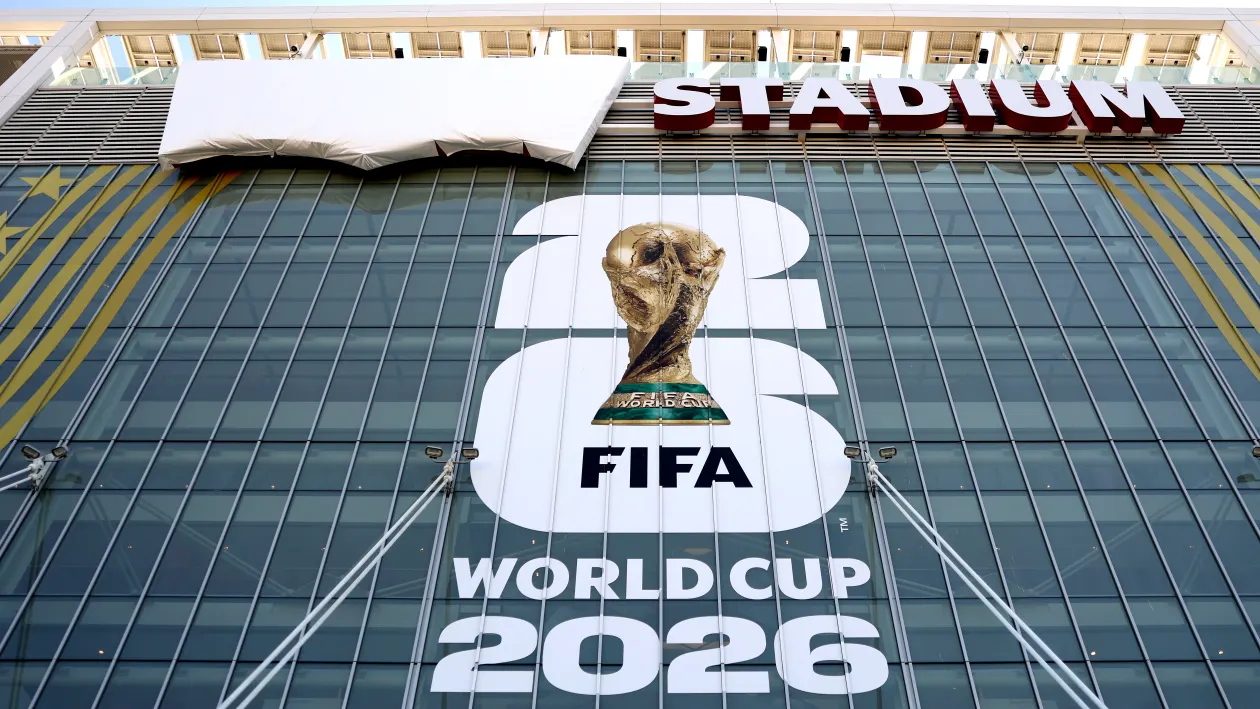
World Cup advertising is undergoing a noticeable shift. While official tournament sponsors still invest billions of USD to secure exclusive branding rights, many of the campaigns generating the strongest online conversations are coming from companies with no formal partnership with the competition.
Marketing analysts say the change reflects a broader transformation in digital advertising. Social platforms reward speed, creativity and cultural relevance more than sponsorship status, allowing brands outside FIFA’s commercial program to capture attention through timely content and authentic audience engagement.
As millions of supporters follow matches across North America, companies ranging from apparel manufacturers to restaurant chains and consumer brands have found ways to become part of the conversation without displaying official tournament logos or protected branding.
World Cup Advertising Rewards Creativity Over Sponsorship
Official partners continue to enjoy premium visibility inside stadiums, television broadcasts and licensed promotional materials. Brands such as Adidas and Coca-Cola remain among the tournament’s most recognizable commercial partners.
Even so, marketing specialists increasingly point to a different trend: consumers tend to reward campaigns that feel spontaneous rather than heavily scripted. Short-form videos, humorous social media posts and interactive fan experiences often spread faster than traditional advertising.
Industry data published by https://www.warc.com/“>WARC Media indicates that global spending connected to major sporting events continues to reach billions of USD, but engagement is becoming less dependent on paid sponsorships and more influenced by digital creativity.
Several companies have successfully capitalized on fan culture by responding to match results, local traditions and viral moments within hours instead of relying on long-planned advertising campaigns. This approach has proven particularly effective on platforms where algorithms prioritize audience interaction over advertising budgets.
Researchers also note that younger audiences increasingly respond to brands that participate naturally in online conversations instead of promoting overt sales messages during global sporting events.
Social Media Is Changing the Rules of Sports Marketing
The growing influence of social media has significantly altered World Cup advertising strategies. Instead of focusing exclusively on television commercials, companies now invest in creators, short-form videos and real-time community management capable of reacting within minutes to unexpected moments.
Marketing professionals argue that this flexibility gives non-sponsor brands an advantage. Without contractual restrictions governing official partners, they can experiment with humor, satire and audience participation while remaining outside protected FIFA commercial assets.
Research available through https://www.statista.com/“>Statista</a> shows that digital advertising continues to gain a larger share of global marketing budgets as brands prioritize measurable engagement and consumer interaction.
One widely discussed tactic involved companies embracing situations created by sponsorship rules themselves. Rather than viewing logo restrictions at stadiums as setbacks, some businesses transformed them into viral marketing opportunities by encouraging online conversations around the temporary changes.
Marketing experts say these campaigns succeeded because audiences appreciated the originality. Instead of feeling like conventional advertising, many posts appeared to join existing conversations that football supporters were already having.
What Brands Can Learn From This Year’s Campaigns
The biggest lesson from this year’s World Cup advertising battle may be that relevance increasingly outweighs visibility. Purchasing sponsorship rights still offers substantial value, but brands capable of responding quickly to cultural moments can often achieve remarkable exposure without official tournament status.
Consumer behavior researchers suggest successful campaigns now combine three elements: strong brand recognition, fast decision-making and a deep understanding of audience sentiment. Companies that recognize emerging trends early are often able to participate before online conversations become saturated.
Additional insights into evolving advertising trends are available through https://www.ama.org/“>American Marketing Association, where analysts continue examining how digital platforms are reshaping brand communication during major international events.
The commercial landscape surrounding global football also continues to evolve alongside changing media habits. As streaming services, creator-driven content and artificial intelligence influence marketing strategies, advertisers are placing greater emphasis on authentic storytelling and emotional connection rather than traditional promotional formats. Industry developments involving tournament regulations and commercial partnerships continue to be monitored through https://inside.fifa.com/“>FIFA</a>, as brands prepare for future international competitions with increasingly flexible and digitally focused campaigns.