
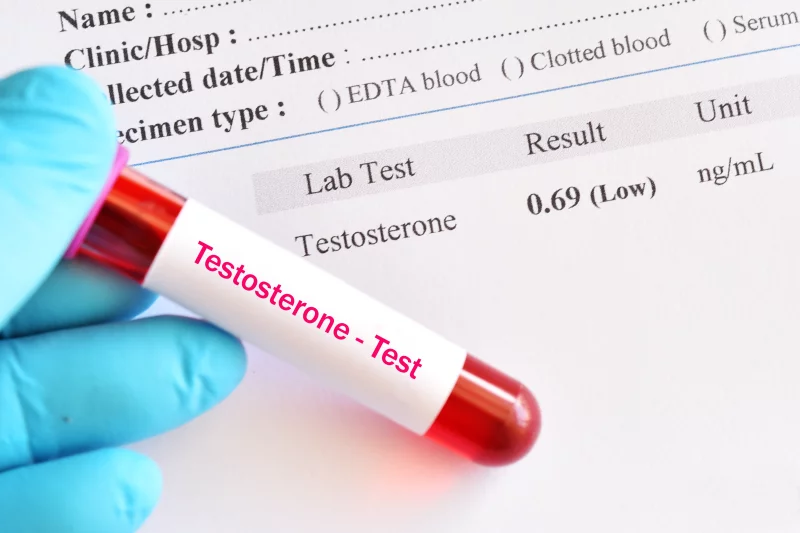
Testosterone therapy has become a popular topic online. Men can find clinics, supplements and advice about “low T” with just a few clicks. But doctors say the real question is simpler: who actually needs testosterone treatment?
Low testosterone can cause fatigue, reduced sex drive, depressed mood and problems with concentration. It can also affect muscle, bone health and red blood cell production.
The problem is that these symptoms have many possible causes. Poor sleep, obesity, diabetes, stress and some medicines can also lower energy and sexual function.
Dr. Jamin Brahmbhatt, a Florida urologist, knows the issue well. He once suspected that his own testosterone was low. Testing showed normal levels. His symptoms were more likely linked to sleep, stress and other factors.
That is why experts warn against treating symptoms alone. The Endocrine Society says a diagnosis should include symptoms plus consistently low testosterone levels on accurate blood tests. It also recommends repeating an early-morning test before making the diagnosis. Endocrine Society testosterone guidance.
What Low Testosterone Really Means
Testosterone levels naturally change with age. However, aging alone does not automatically mean a man needs testosterone therapy.
Low testosterone, also called hypogonadism, can have several causes. Problems involving the testicles or pituitary gland can reduce production. Obesity, diabetes, sleep apnea and certain medicines can also play a role.
Symptoms can be difficult to interpret.
A tired man may have low testosterone. He may also be sleeping badly, gaining weight or dealing with another medical problem. A low sex drive can have hormonal, psychological or relationship-related causes.
That makes testing important.
The FDA says testosterone products are approved for men with low testosterone linked to an associated medical condition. The agency has also been reviewing whether some men with low testosterone and low libido, but no clear underlying cause, could benefit from treatment. FDA testosterone therapy update.
The distinction matters because testosterone is not simply a general treatment for tiredness or aging.
Some men with confirmed hypogonadism can benefit. Clinical trials have found improvements in sexual function, libido, anemia and bone density in appropriately selected patients.
But those benefits do not mean testosterone is useful for every man who feels tired or wants to improve athletic performance.
Testosterone Therapy Is Not a Shortcut to Better Health
Testosterone therapy has also become part of the online wellness industry. Some clinics market hormone treatment around energy, muscle, focus and longevity.
Doctors say that message can blur the line between medical treatment and performance enhancement.
The Endocrine Society’s current guidance stresses that symptoms alone are not enough. It also says doctors should look for reversible causes, including obesity and certain medications, before starting treatment. Testosterone therapy clinical guidelines.
Fertility is another major concern.
Testosterone treatment can suppress the body’s natural sperm production. For younger men who want children, this can make treatment a poor choice unless fertility is addressed as part of the medical plan.
Heart health has been another long-running concern.
The large TRAVERSE trial followed more than 5,200 men with hypogonadism and existing or high cardiovascular risk. It found no meaningful increase in major cardiovascular events compared with placebo. However, researchers observed higher rates of some problems, including pulmonary embolism and atrial fibrillation. NEJM TRAVERSE testosterone trial.
The FDA later removed certain cardiovascular warning language from testosterone labels after reviewing the evidence. At the same time, the agency added warnings about increased blood pressure for testosterone products covered by its labeling changes. FDA testosterone labeling changes.
That leaves doctors with a more complicated picture than either side of the online debate suggests.
Testosterone can be useful for men with genuine hormone deficiency. It is not a proven anti-aging drug, and current evidence does not support using it simply to boost performance or energy in men with normal levels.
For a man who has symptoms, the first step is not a prescription. It is a proper evaluation, accurate testing and a search for the reason testosterone may be low.