The Iran war accelerates clean energy investments as governments around the world respond to continued disruptions in global fossil fuel markets. Months after the conflict began, many countries are no longer viewing imported oil and natural gas as dependable long-term energy sources. Instead, policymakers are rapidly expanding renewable energy generation, battery storage, and electric vehicle infrastructure to improve energy security while reducing exposure to geopolitical instability.
The prolonged conflict has highlighted the vulnerability of international energy supply chains. Shipping disruptions through the Strait of Hormuz, one of the world’s most important energy corridors, have significantly affected global natural gas and oil markets. Higher fuel prices have increased electricity costs, transportation expenses, and inflationary pressures across numerous economies.
Iran War Accelerates Clean Energy Investments Across Asia and Africa
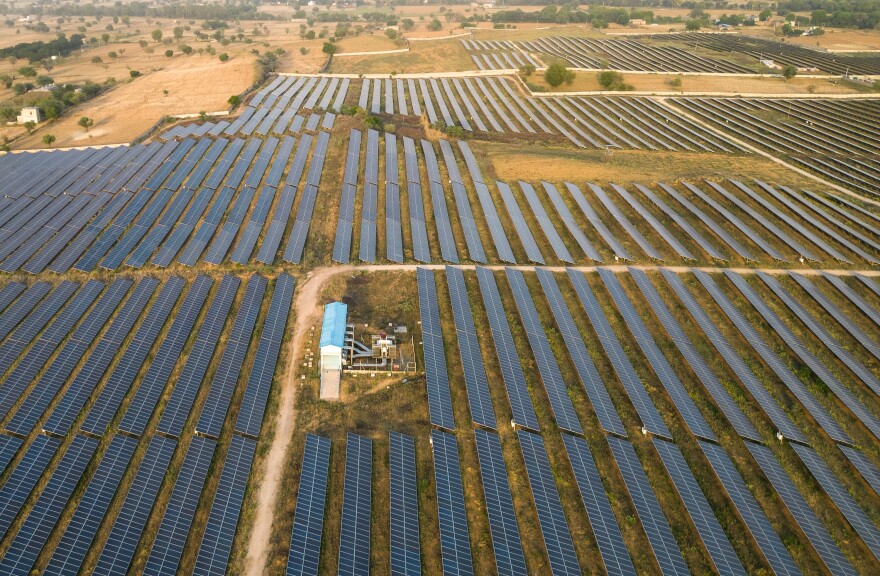
Many countries throughout Asia and Africa are responding by accelerating renewable energy deployment. Falling prices for Chinese-made solar panels, battery storage systems, and electric vehicles have made large-scale investments more financially attractive than in previous years.
Governments that previously relied heavily on imported liquefied natural gas are now diversifying their energy mix. Pakistan, the Philippines, and several African nations have expanded solar generation projects while increasing investments in energy storage to reduce fuel imports and stabilize electricity supplies.
Electric vehicle adoption is also gaining momentum. Growing EV fleets reduce gasoline and diesel consumption while lowering long-term dependence on imported petroleum products. At the same time, renewable electricity generation provides additional resilience against international fuel price volatility.
Renewable Energy Strengthens Long-Term Energy Security
Energy experts increasingly view renewable technologies not only as climate solutions but also as strategic national security investments. Unlike imported fossil fuels, solar and wind resources are domestically available in many countries, allowing governments to produce electricity without relying on unstable international markets.
Lower equipment costs have significantly improved the economics of renewable energy projects. Financial institutions are increasingly directing capital toward clean energy infrastructure because long-term operating costs remain relatively predictable compared with fossil fuel generation exposed to commodity price swings.
Battery storage technologies are also improving grid reliability by allowing excess renewable electricity to be stored and used during periods of high demand, reducing dependence on imported natural gas for power generation.
Electric Vehicles Continue Reshaping Global Oil Demand
The expansion of electric vehicle markets is becoming one of the most significant structural changes affecting future oil demand. Every additional electric vehicle placed on the road reduces gasoline consumption throughout its operational life, gradually lowering dependence on crude oil imports.
Several international markets have recorded strong growth in EV sales, supported by competitive manufacturing costs and expanding charging infrastructure. This trend is contributing to slower growth in global oil consumption while encouraging governments to invest further in renewable electricity capable of powering transportation systems.
Although fossil fuels will continue to play an important role in industries such as aviation, petrochemicals, and fertilizer production, many policymakers now view renewable energy and transportation electrification as essential components of long-term economic resilience.
As geopolitical uncertainty continues to influence global energy markets, countries are increasingly integrating clean energy technologies into national development strategies, seeking greater energy independence while improving environmental sustainability and reducing vulnerability to future international supply disruptions.