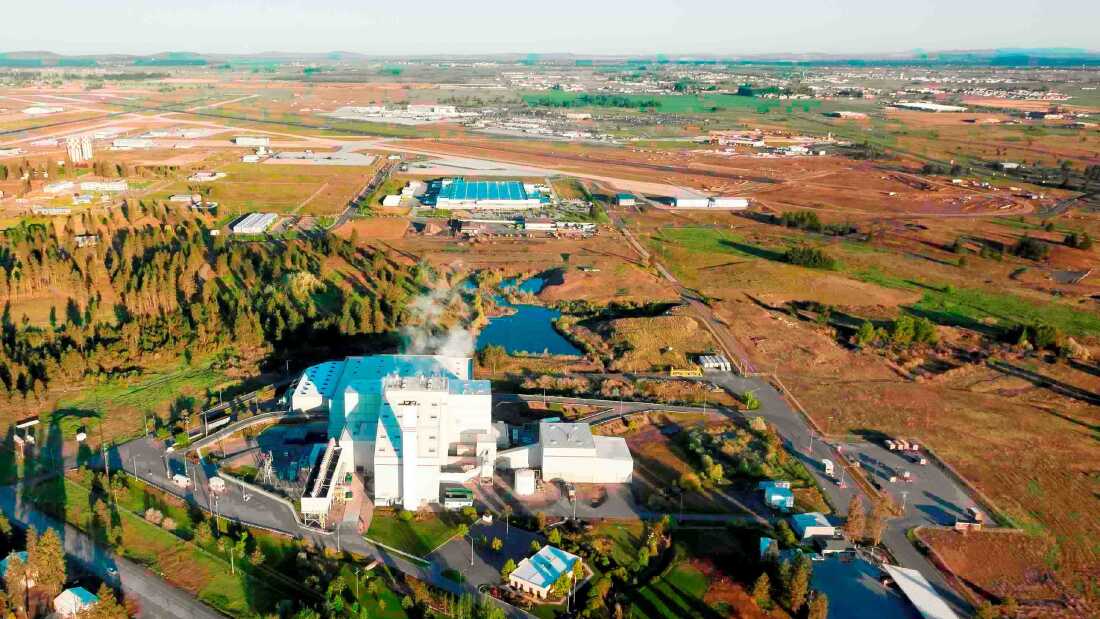
Waste-to-energy facilities have become an important part of the conversation surrounding sustainable waste management. Communities are searching for solutions to the growing volume of municipal solid waste. Every year, the United States produces hundreds of millions of tons of garbage. This puts increasing pressure on landfills and prompts interest in technologies capable of recovering value from discarded materials.
Rather than simply burying waste underground, waste-to-energy plants burn non-recyclable trash under carefully controlled conditions to produce heat. That heat is used to generate steam. Subsequently, it drives turbines to produce electricity that can be supplied to homes, businesses, and public infrastructure.
Supporters argue that these facilities reduce landfill dependence while generating renewable-like energy from materials that would otherwise be discarded. Critics, however, continue to raise questions regarding emissions, public health, and the long-term environmental impacts of waste incineration.
How Waste-to-Energy Facilities Generate Electricity
Modern waste-to-energy facilities operate by receiving municipal solid waste that cannot be economically recycled or composted. After the waste is inspected and processed, it is placed into large combustion chambers. In these chambers, high temperatures reduce its volume significantly.
The heat generated during combustion is captured in boilers that produce steam. This steam powers turbines connected to electrical generators, allowing the facility to supply electricity to the local power grid.
In addition to producing electricity, many facilities recover metals from the remaining ash for recycling. This helps reduce the need for additional raw materials. Compared with untreated landfill disposal, combustion can reduce the volume of waste by as much as 90%. As a result, it extends the useful life of existing landfill sites.
Modern facilities also incorporate sophisticated air pollution control systems. These are designed to capture particulate matter, acidic gases, and other contaminants before emissions are released into the atmosphere.
Environmental Benefits and Public Health Concerns Continue to Be Debated
The expansion of waste-to-energy facilities has generated ongoing discussion among scientists, policymakers, and community organizations. Supporters emphasize that diverting waste from landfills may reduce methane emissions, a powerful greenhouse gas produced as organic waste decomposes.
Generating electricity from municipal waste can also decrease reliance on fossil fuels in some regions. Additionally, it provides a stable source of energy that is not dependent on weather conditions.
At the same time, critics argue that combustion processes can release pollutants if facilities are not properly designed, maintained, and regulated. Public health advocates have expressed concern about communities located near some waste-to-energy plants. They note that lower-income neighborhoods and historically marginalized populations have often borne a disproportionate share of environmental burdens.
These concerns have fueled broader conversations about environmental justice and the equitable distribution of industrial infrastructure.
The Future of Waste Management Will Likely Combine Multiple Solutions
Experts generally agree that no single technology can solve the growing challenge of municipal waste. Instead, waste-to-energy facilities are increasingly viewed as one component of a broader integrated waste management strategy. This strategy prioritizes waste reduction, recycling, composting, and responsible disposal.
Many governments continue investing in improved recycling systems, circular economy initiatives, and cleaner waste processing technologies alongside energy recovery facilities. Advances in emissions control, combustion efficiency, and materials recovery may further improve the environmental performance of future plants.
As urban populations continue to grow and waste generation increases worldwide, policymakers face the challenge of balancing landfill reduction, renewable energy production, environmental protection, and public health. Continued technological innovation and careful regulatory oversight will play an essential role in determining how waste-to-energy facilities contribute to sustainable waste management in the years ahead.