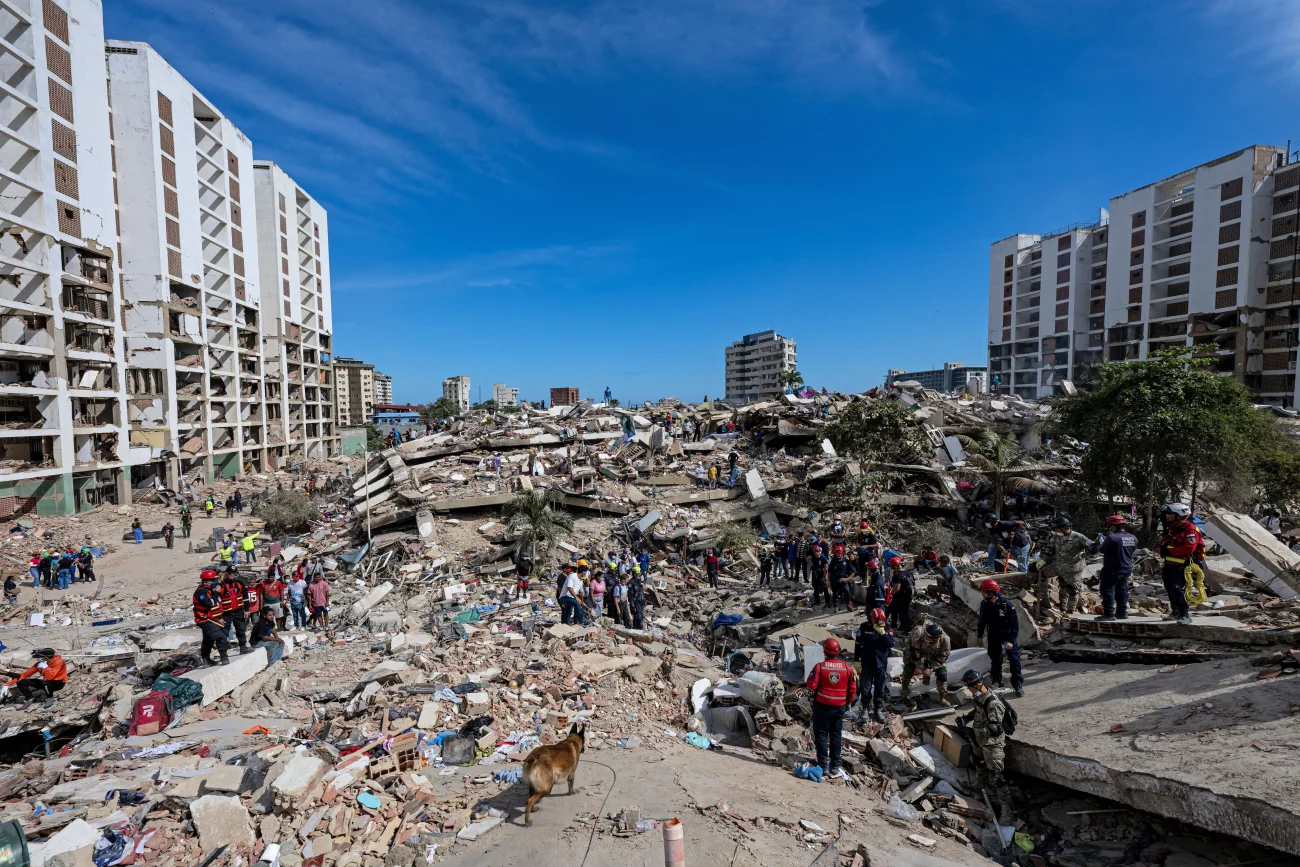
The Venezuela earthquake humanitarian crisis has entered an increasingly difficult phase one week after powerful twin earthquakes devastated large areas of northern Venezuela. Rescue operations continue around the clock. However, hopes of finding additional survivors are fading as authorities, humanitarian organizations and volunteers shift greater attention toward emergency medical care. In addition, they now focus on temporary shelter and the enormous reconstruction effort ahead.
Entire neighborhoods remain partially destroyed. Thousands of families have been displaced and critical infrastructure continues to operate under severe strain. While international assistance has expanded, the scale of the disaster has exposed the enormous logistical challenges facing one of South America’s most fragile economies.
Emergency information regarding humanitarian operations continues to be updated through the United Nations Office for the Coordination of Humanitarian Affairs. This office is coordinating multiple international relief initiatives.
Venezuela Earthquake Humanitarian Crisis Leaves Communities Searching for Survivors
The Venezuela earthquake humanitarian crisis has affected millions of residents across several northern states after two major earthquakes struck within seconds of each other. Numerous residential buildings, hospitals, schools and commercial structures suffered catastrophic damage. As a result, emergency crews are facing thousands of simultaneous rescue requests.
In many of the hardest-hit communities, neighbors became the first responders. Before heavy rescue equipment arrived, residents formed volunteer groups using basic hand tools to search collapsed buildings for relatives and friends.
Although specialized rescue teams from multiple countries have reinforced local operations, officials acknowledge that damaged roads, unstable structures and interrupted communications continue to slow access to several affected zones.
Disaster monitoring data published through the Geological Survey has helped emergency planners evaluate the intensity of the seismic event. Additionally, it supports ongoing damage assessments.
Authorities continue updating casualty figures as additional locations become accessible. Search teams remain cautious because unstable debris fields and recurring aftershocks increase risks for both survivors and emergency personnel.
Emergency Relief Expands While Healthcare Systems Face Mounting Pressure
As immediate rescue efforts gradually transition toward humanitarian relief, the Venezuela earthquake humanitarian crisis is creating growing pressure on hospitals, emergency shelters and public services.
Medical centers that remained operational after the earthquakes are treating thousands of trauma patients while simultaneously managing shortages of medical supplies, equipment and available beds. Temporary treatment centers have been established in sports facilities, schools and public spaces. This helps relieve overcrowded hospitals.
Access to clean drinking water, sanitation services and electricity remains inconsistent in several communities, increasing concerns about disease outbreaks among displaced populations.
International migration specialists have warned that millions of people could require temporary housing, healthcare assistance and food support before normal living conditions can begin to return.
Humanitarian response planning continues alongside information published by the International Organization for Migration. This organization’s emergency teams are helping assess displacement and immediate community needs.
Meanwhile, engineers continue structural inspections to determine which buildings can safely reopen and which require demolition due to irreversible damage.
International Support Grows as Long-Term Recovery Begins
The Venezuela earthquake humanitarian crisis has prompted governments and humanitarian organizations from around the world to mobilize financial assistance, technical expertise and specialized rescue personnel.
Emergency response teams have deployed search dogs, field hospitals, engineering specialists, heavy machinery and logistics experts to accelerate relief operations. Additional assistance has focused on restoring transportation networks. Moreover, teams are reopening damaged ports and improving the delivery of humanitarian supplies into isolated communities.
While immediate rescue operations remain active, planning has already begun for the much longer process of rebuilding housing, healthcare facilities, schools and essential infrastructure damaged by the earthquakes.
Recovery experts emphasize that reconstruction following disasters of this magnitude often extends over several years. Beyond repairing buildings, authorities must restore public utilities, strengthen emergency preparedness systems and improve building resilience against future seismic events.
Global disaster response guidance and recovery resources continue to be shared through the International Federation of Red Cross and Red Crescent Societies. This organization is supporting humanitarian partners operating across affected regions.
For thousands of displaced families, however, the immediate priorities remain access to shelter, medical treatment, clean water and reliable information. These priorities continue as recovery efforts unfold across one of the country’s largest natural disasters in modern history.