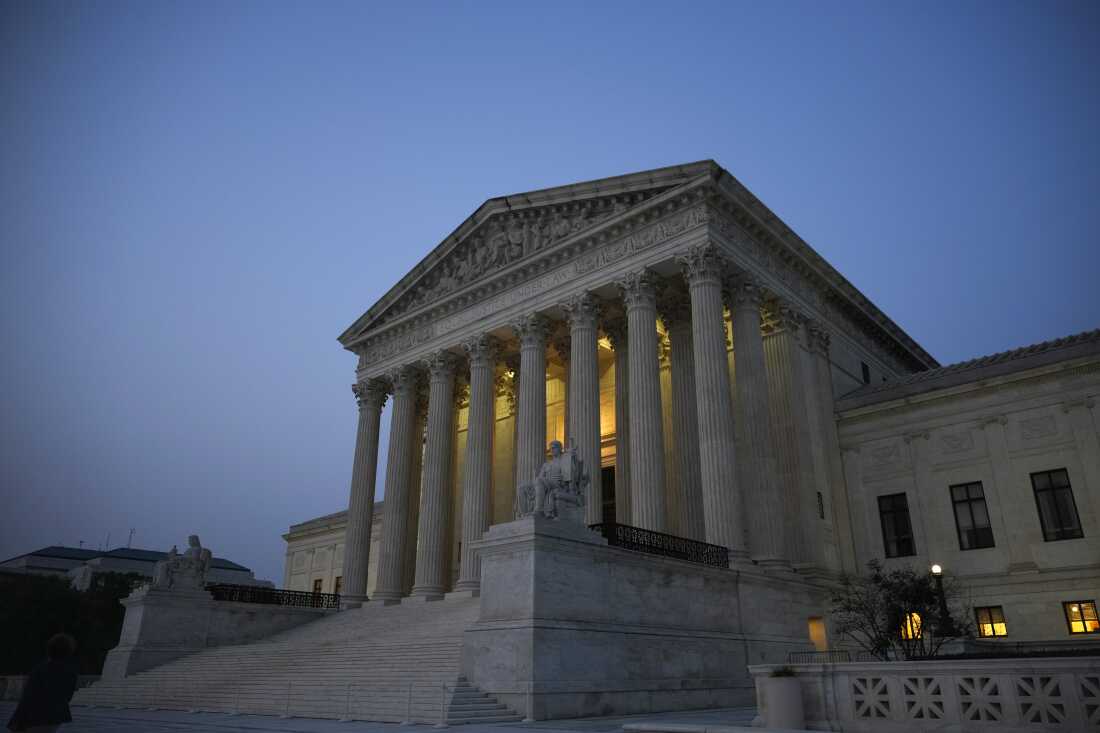
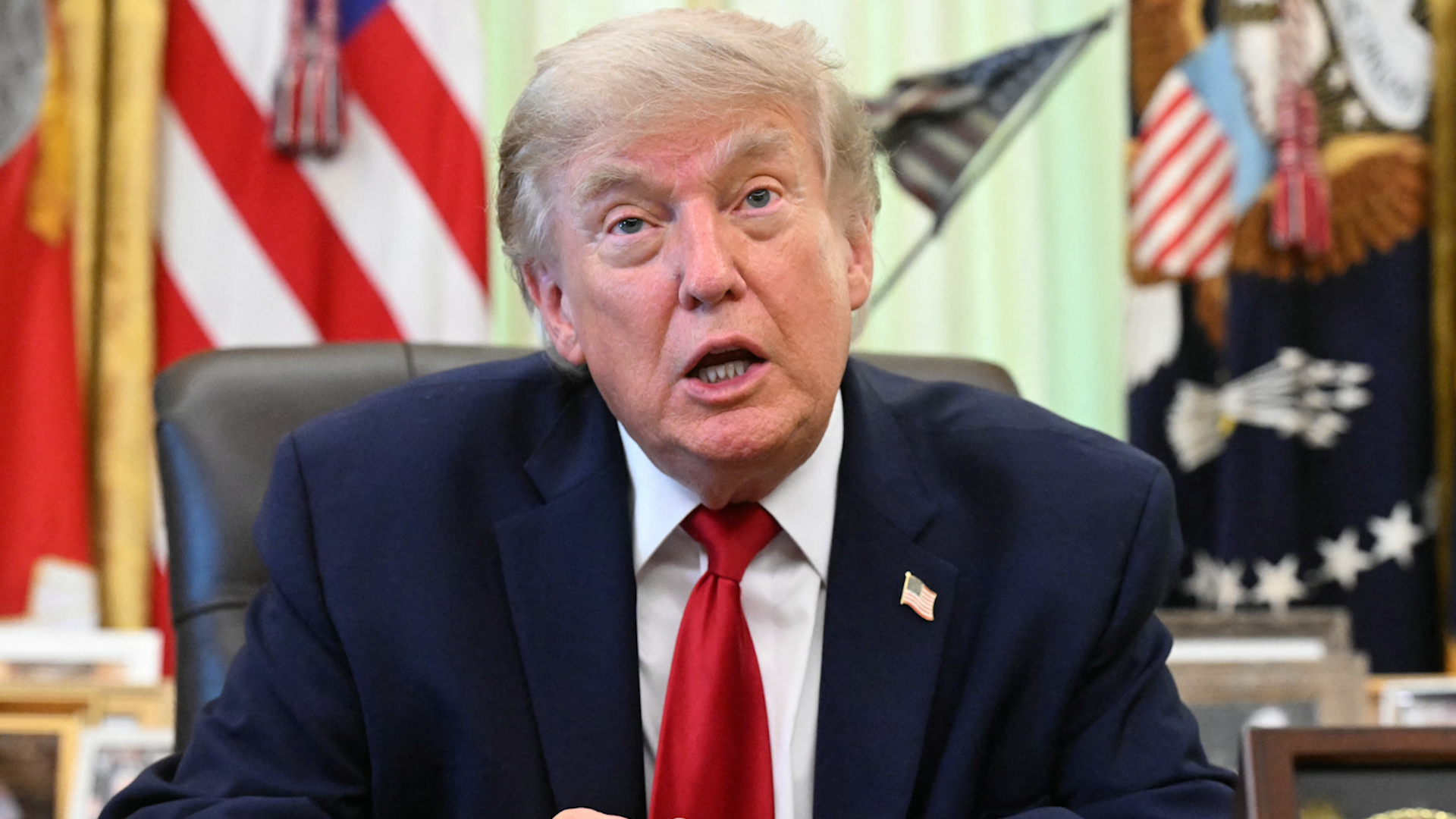
The Supreme Court Trump executive powers decisions marked one of the most consequential judicial terms in recent years,. deliveringThe Court delivered a combination of victories and setbacks for President Donald Trump’s administration. While the Court rejected several of the president’s highest-profile initiatives, it also reinforced broad executive authority in critical areas. In particular, particularlyit did so regarding immigration enforcement.
The rulings illustrate the complex relationship between the executive branch and the judiciary. Rather than producing a clear victory or defeat for either side, the Court issued decisions that both limited and strengthened presidential authority. This dependingdepended on the constitutional and statutory issues involved.
For the administration, the outcome represents a mixed legal record. Several campaign priorities encountered constitutional or statutory obstacles,. whileAt the same time, other executive actions received judicial support that could shape future presidential administrations.
Supreme Court Rejects Key Elements of Trump’s Domestic Agenda
Among the administration’s most significant legal setbacks were rulings affecting tariffs and the executive order seeking to end birthright citizenship. Both initiatives represented central policy objectives that generated extensive legal challenges.
The Court’s decision regarding tariffs limited the president’s ability to impose certain trade measures through unilateral executive action. Moreover, reinforcingthis reinforced the role of Congress in regulating international commerce. The ruling prompted renewed discussion about the constitutional balance of powers between the legislative and executive branches.
Similarly, the effort to end birthright citizenship faced major constitutional hurdles. The administration argued for a reinterpretation of existing legal principles,. whileMeanwhile, opponents maintained that longstanding constitutional protections could not be altered through executive action alone.
Following these rulings, administration officials indicated that alternative legislative and legal strategies would continue to be explored. toThis would help advance related policy objectives.
Immigration Rulings Reinforce Presidential Executive Authority
Although the administration experienced setbacks in other areas, the Supreme Court issued several decisions supporting broad presidential discretion over immigration enforcement. These rulings affirmed the executive branch’s authority to implement and modify immigration policies. This authority was confirmed to be within the limits established by federal law.
The decisions allowed the administration to continue enforcing changes involving temporary immigration protections and other executive immigration programs. This continued while litigation proceeds or policy reviews continue.
Legal analysts note that immigration has historically been an area in which presidents possess significant executive authority,. This is particularly true regarding enforcement priorities and administrative implementation of existing statutes.
These decisions are expected to influence future debates over the scope of presidential authority in immigration policy,. This will happen regardless of which political party controls the White House.
Court Decisions Could Shape Executive Power for Future Presidents
Beyond their immediate political impact, the Supreme Court Trump executive powers rulings may have lasting constitutional significance. The decisions provide additional guidance regarding the circumstances under which presidents may act independently. andThey also clarify when congressional approval or statutory authorization is required.
Constitutional scholars suggest these rulings will likely serve as important precedents in future disputes involving executive authority, administrative powers, and separation of powers. While some presidential initiatives were constrained, others received judicial support that could strengthen executive discretion across multiple policy areas.
The latest term therefore reflects an evolving constitutional landscape in which presidential authority continues to be tested through the courts. FutureIn the future, administrations of either party may rely on these precedents when developing executive actions involving immigration, national security, economic policy, and federal administration.