The Kennedy Center board filing has provided an unprecedented look into the internal decision-making process behind several of the performing arts institution’s most controversial actions. Court documents submitted in an ongoing legal dispute disclose new information about board meetings. In addition, they reveal details about voting procedures, and the circumstances surrounding the decision to add President Donald Trump’s name to the historic cultural venue.
The filing was submitted in response to litigation brought by Representative Joyce Beatty, an ex-officio member of the Kennedy Center board, who is challenging both the naming decision and the announced closure of the facility for renovations. The case has intensified debate over governance, transparency, and the authority of the board to make significant institutional changes without congressional approval.
Legal Documents Describe Board Meeting Procedures and Voting Process
One of the most notable disclosures in the Kennedy Center board filing concerns the December 18, 2025 board meeting during which members approved adding President Trump’s name to the center. According to the filing, Representative Joyce Beatty was muted during the meeting. Therefore, she was unable to express her opposition before the vote was completed.
The documents also indicate that the meeting agenda did not provide advance notice that board members would consider a proposal involving the facility’s name. In addition, the filing acknowledges that there was no formal discussion regarding potential legal risks, fundraising implications, or possible conflicts of interest before the vote occurred.
Beatty argues that the Kennedy Center’s governing legislation establishes specific limitations regarding memorials and plaques at the federally supported institution. Her lawsuit contends that any modification involving the official designation of the center should require congressional authorization. Instead, the suit argues, such changes should not rely solely on a board vote.
Renovation Plans Raise Additional Questions About Governance
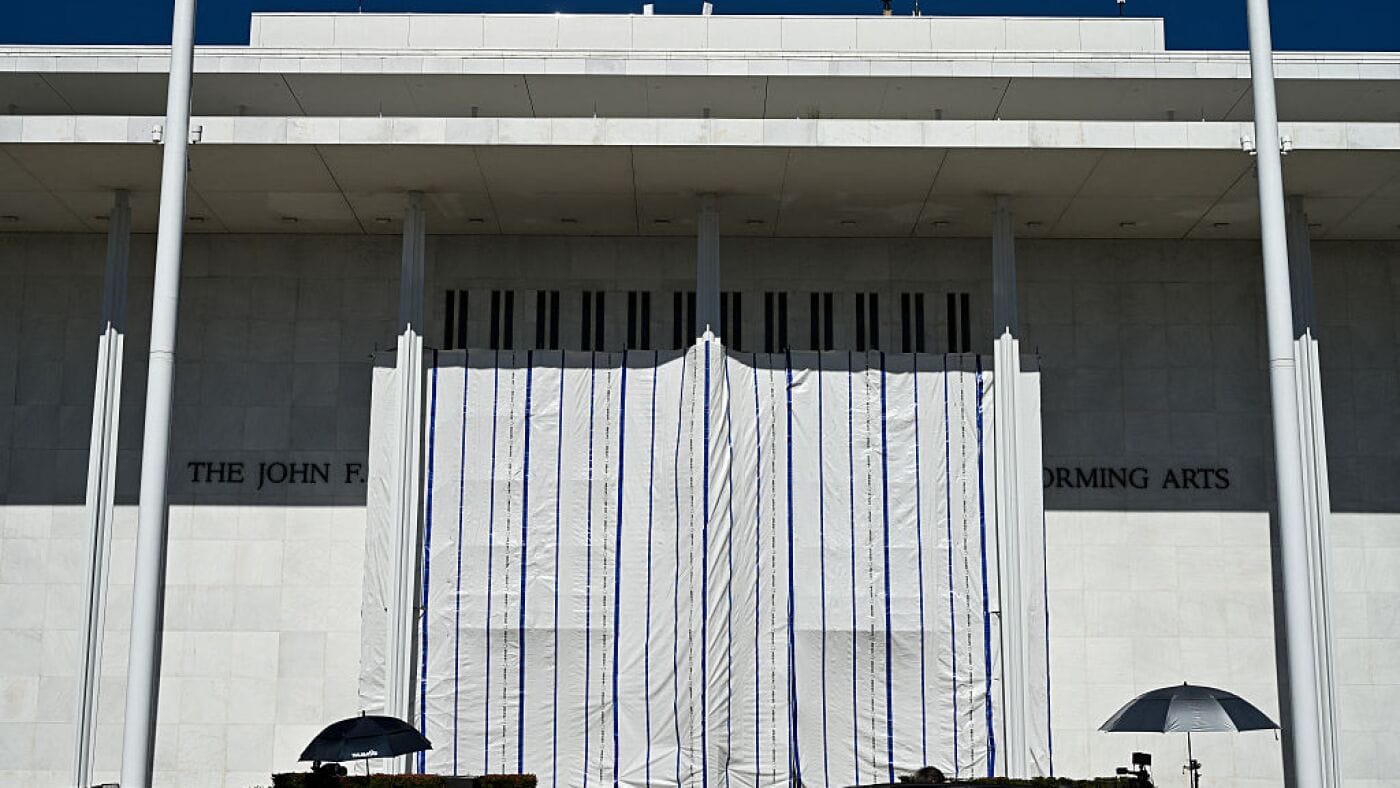
The legal filing also addresses the decision to temporarily close the Kennedy Center for an extensive renovation project. According to the documents submitted in court, the announcement regarding the closure was made before detailed renovation plans, construction timelines, financial analyses, or funding proposals had been formally presented to the board.
Court filings indicate that no board vote was held before the public announcement outlining the planned renovation period. The disclosure has become another central issue in the broader legal challenge concerning institutional governance and board oversight.
The lawsuit argues that major operational decisions involving a nationally recognized cultural institution should follow established governance procedures. These procedures are designed to ensure transparency and collective decision-making.
Supporters of the Kennedy Center’s leadership have maintained that renovation efforts are intended to modernize the facility and preserve its long-term ability to host performances and educational programming.
Additional information about federal courts and judicial proceedings is available through https://www.uscourts.gov” target=”_blank” rel=”noopener noreferrer”>United States Courts.
Court Case Highlights Broader Debate Over the Kennedy Center’s Future
Beyond the naming controversy, the Kennedy Center board filing has drawn attention to broader questions about institutional leadership, fundraising, and audience engagement. Court documents acknowledge that ticket sales experienced a significant decline during the period referenced in the filing. This adds another layer to ongoing discussions about the center’s operational future.
The legal dispute continues as both parties present arguments regarding governance authority, compliance with federal law, and the appropriate role of board members in overseeing one of the nation’s most prominent performing arts institutions.
The outcome of the case could influence how federally supported cultural organizations approach future governance decisions, board voting procedures, and major institutional changes. As litigation moves forward, the court is expected to continue reviewing questions surrounding board authority, naming rights, and renovation planning before issuing further rulings.