The US-Iran nuclear inspections dispute has become one of the most sensitive issues threatening ongoing efforts to transform a fragile ceasefire into a permanent peace agreement. Meanwhile, negotiators continue working on technical details of a broader settlement. Conflicting statements from Washington and Tehran regarding access to Iranian nuclear facilities have introduced fresh uncertainty into an already delicate diplomatic process.
The disagreement emerged as officials from both countries pursued parallel negotiations focused on regional stability, sanctions relief, maritime security, and the future of Iran’s nuclear program. At the same time, renewed violence in southern Lebanon underscored how quickly conditions on the ground could complicate diplomatic progress.
International monitoring standards for nuclear activities continue to be overseen by International Atomic Energy Agency. Its inspectors have played a central role in previous verification efforts involving Iran’s nuclear infrastructure.
The conflicting narratives have fueled questions among diplomats about how future verification mechanisms would function. Furthermore, diplomats are asking whether both sides share the same understanding of the commitments being negotiated.
US-Iran Nuclear Inspections Dispute Centers on Access to Bombed Nuclear Sites
The most immediate source of tension involves whether international inspectors will be permitted to examine nuclear facilities damaged during previous military operations.
Iranian officials have publicly stated that no inspections are currently scheduled for the affected sites. Meanwhile, senior US officials have insisted that future inspection arrangements remain an essential component of any lasting agreement.
The disagreement is significant because verification remains one of the core pillars of any potential long-term settlement. Without a mutually accepted inspection framework, negotiators may struggle to build confidence between the parties.
Nuclear safeguards and verification protocols are governed through international frameworks supported by United Nations institutions responsible for monitoring compliance and promoting global security standards.
Diplomatic sources indicate that technical working groups continue discussing possible verification models. However, negotiators have yet to publicly clarify whether inspectors will receive access to all previously targeted facilities or only selected locations.
The uncertainty surrounding inspections has become one of several unresolved issues still separating the two sides as negotiations move forward.
Strait of Hormuz Reopening Remains Critical to Regional Stability
While nuclear verification dominates headlines, maritime security remains equally important to the broader negotiations.
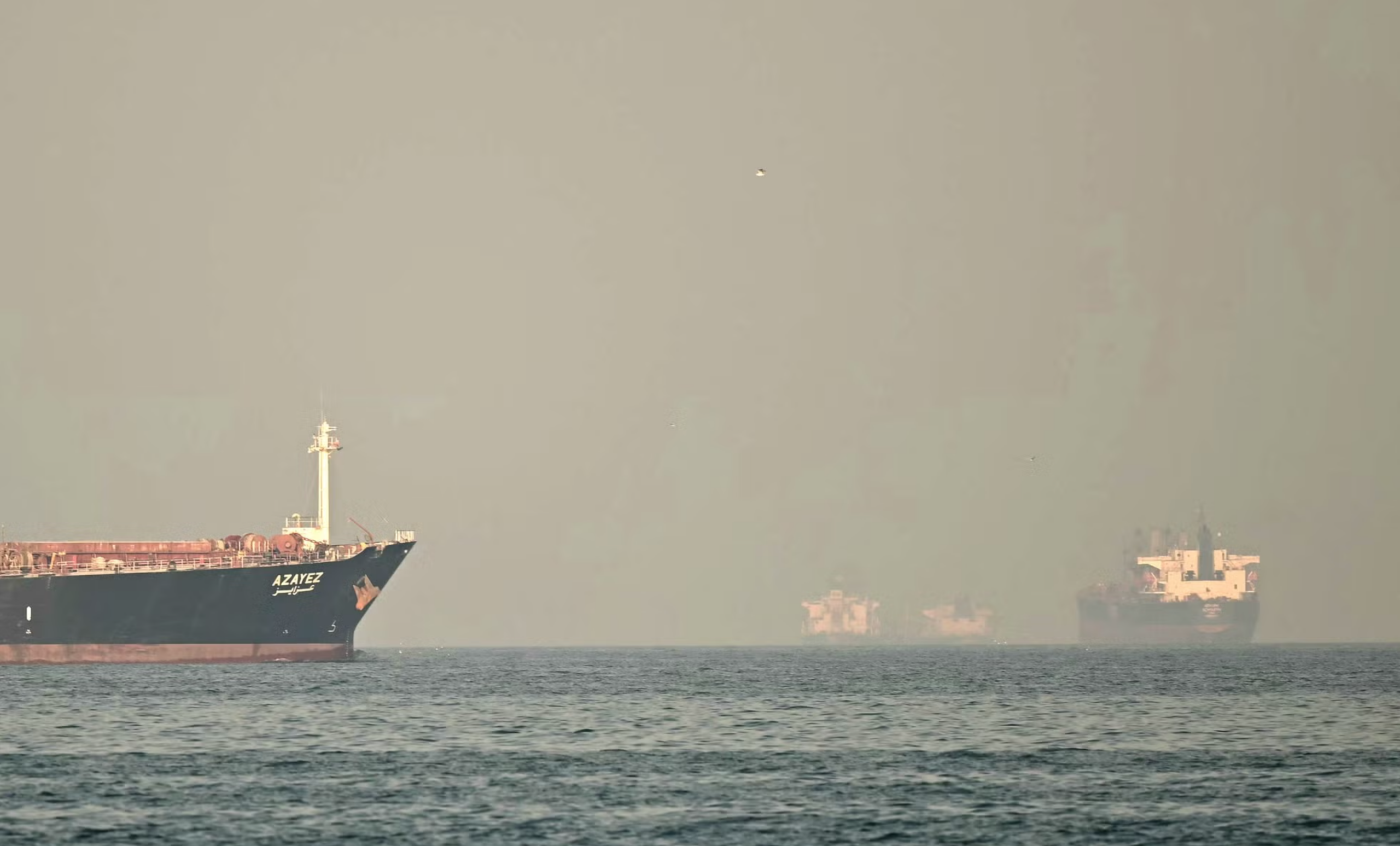
The Strait of Hormuz is one of the world’s most strategically important waterways. It serves as a vital transit route for global energy shipments. During the conflict, disruptions to vessel traffic triggered concerns throughout international shipping markets and energy industries.
Efforts are now underway to restore normal navigation through the corridor. International maritime authorities, regional governments, and private shipping operators have coordinated plans to facilitate safer passage for commercial vessels and stranded maritime personnel.
Global maritime safety standards and shipping regulations are coordinated through International Maritime Organization Maritime Organization. It continues to work with regional stakeholders on navigation and security measures.
Despite improvements, traffic volumes remain below pre-conflict levels. Shipping companies continue to assess insurance costs, navigational risks, and the possibility of renewed disruptions should political tensions escalate.
Questions also remain regarding future governance arrangements, operational oversight, and security responsibilities throughout the strategically important waterway.
Lebanon Violence and Sanctions Talks Add Complexity to Negotiations
Beyond the nuclear file and maritime concerns, negotiators are also managing several interconnected regional issues.
Diplomatic teams have reportedly established multiple working groups focused on sanctions relief, reconstruction initiatives, economic cooperation, regional security, and monitoring mechanisms. Discussions surrounding frozen Iranian assets have generated particular attention. In addition, differing interpretations are emerging over how those funds could be used if restrictions are lifted.
Meanwhile, developments in Lebanon continue to influence the broader diplomatic environment. Recent clashes involving Israeli forces and Hezbollah-linked elements have highlighted the fragility of existing ceasefire arrangements.
Regional security trends and conflict monitoring efforts are regularly assessed by organizations such as International Crisis Group Crisis Group, which tracks political and military developments across the Middle East.
The situation in Lebanon carries particular significance because negotiators have repeatedly linked regional de-escalation to the success of a comprehensive settlement. Any sustained return to large-scale violence could place additional pressure on ongoing diplomatic efforts.
As technical teams continue negotiations, officials face the challenge of balancing nuclear verification, sanctions policy, maritime security, regional conflicts, and economic recovery within a single framework. The US-Iran nuclear inspections dispute now sits at the center of those discussions. It serves as a test of whether both sides can bridge fundamental differences and move toward a durable agreement capable of surviving beyond the current ceasefire period.