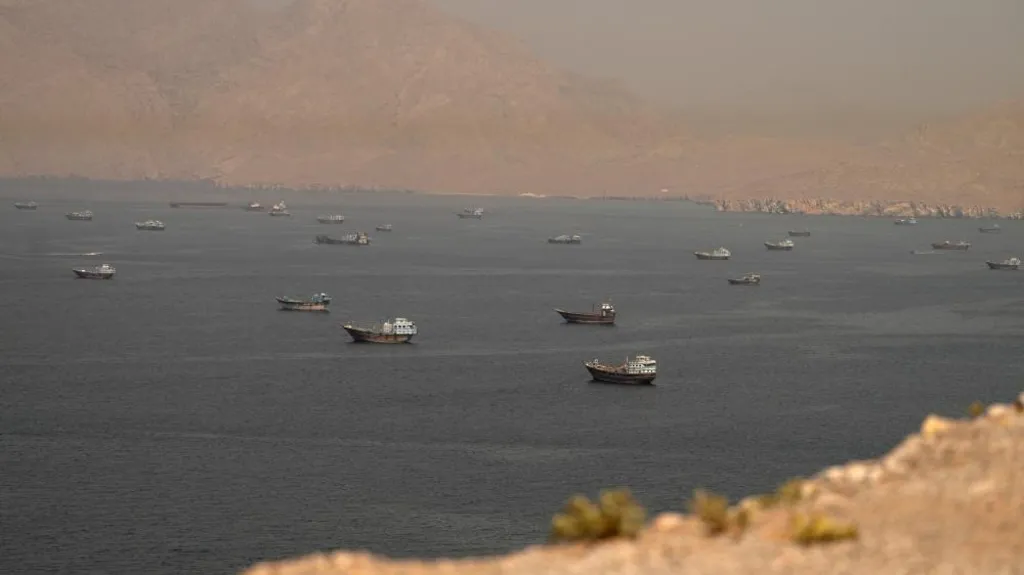
US-Iran Gulf tensions moved back to the center of international attention after a series of security incidents involving commercial vessels operating near the Strait of Hormuz. It is one of the world’s most strategically important maritime corridors. The developments prompted military responses, renewed diplomatic exchanges and fresh concerns about the stability of global energy supplies.
The narrow waterway handles a significant share of internationally traded crude oil and liquefied natural gas. Therefore, any disruption is a matter of global economic importance. Even limited incidents affecting commercial navigation can influence shipping costs, insurance premiums and commodity prices within hours.
Market participants reacted cautiously as investors evaluated the possibility of prolonged instability across the Gulf region. Although shipping traffic continued, governments increased surveillance and naval coordination while monitoring the evolving security situation.
US-Iran Gulf Tensions Put Strategic Shipping Routes Under Pressure
The Strait of Hormuz connects the Persian Gulf with the Gulf of Oman and the Arabian Sea. It serves as a critical gateway for energy exports from several Middle Eastern producers. Maritime security in the area has long been considered essential for international trade.
Information about commercial navigation safety and maritime advisories is published by United Kingdom Maritime Trade Operations. This organization regularly issues alerts for vessels operating in high-risk regions.
Military analysts note that incidents involving commercial shipping rarely remain isolated events. Even when physical damage is limited, uncertainty surrounding future transit conditions can alter shipping schedules. Furthermore, it can increase transportation costs and encourage additional naval deployments.
Governments throughout the region have called for restraint. At the same time, they emphasize the importance of protecting civilian vessels and maintaining freedom of navigation through internationally significant sea lanes.
Military Responses and Diplomacy Advance Simultaneously
While military forces increased their operational readiness, diplomatic channels remained active as governments sought to prevent further escalation.
Regional stability remains a priority for international organizations and governments with economic interests tied to Gulf shipping. Updates regarding international peace and security initiatives are available through United Nations.
Defense specialists observe that modern crises increasingly unfold across multiple domains at once. These include military operations, economic measures, cyber capabilities and diplomatic negotiations. This complexity makes rapid communication between governments particularly important during periods of elevated tension.
Energy markets also remain highly sensitive to geopolitical developments. Even without sustained disruptions to exports, uncertainty alone may contribute to increased market volatility. This happens as traders adjust expectations regarding future supply conditions.
Global Markets Closely Monitor Developments in the Gulf
Beyond the immediate security implications, investors are evaluating how continued instability could affect inflation, transportation costs and global economic growth.
Energy market data and long-term outlooks continue to be monitored through organizations such as International Energy Agency. Meanwhile, broader information about international shipping standards is maintained by the International Maritime Organization.
Financial institutions are expected to continue assessing geopolitical risk alongside traditional economic indicators as developments unfold. Shipping companies, insurers and commodity traders are likewise reviewing contingency plans designed to reduce operational disruption should tensions persist.
Diplomatic efforts continue alongside enhanced military preparedness. Additionally, governments balance deterrence, regional stability and the uninterrupted movement of international commerce through one of the world’s most strategically important maritime corridors.