
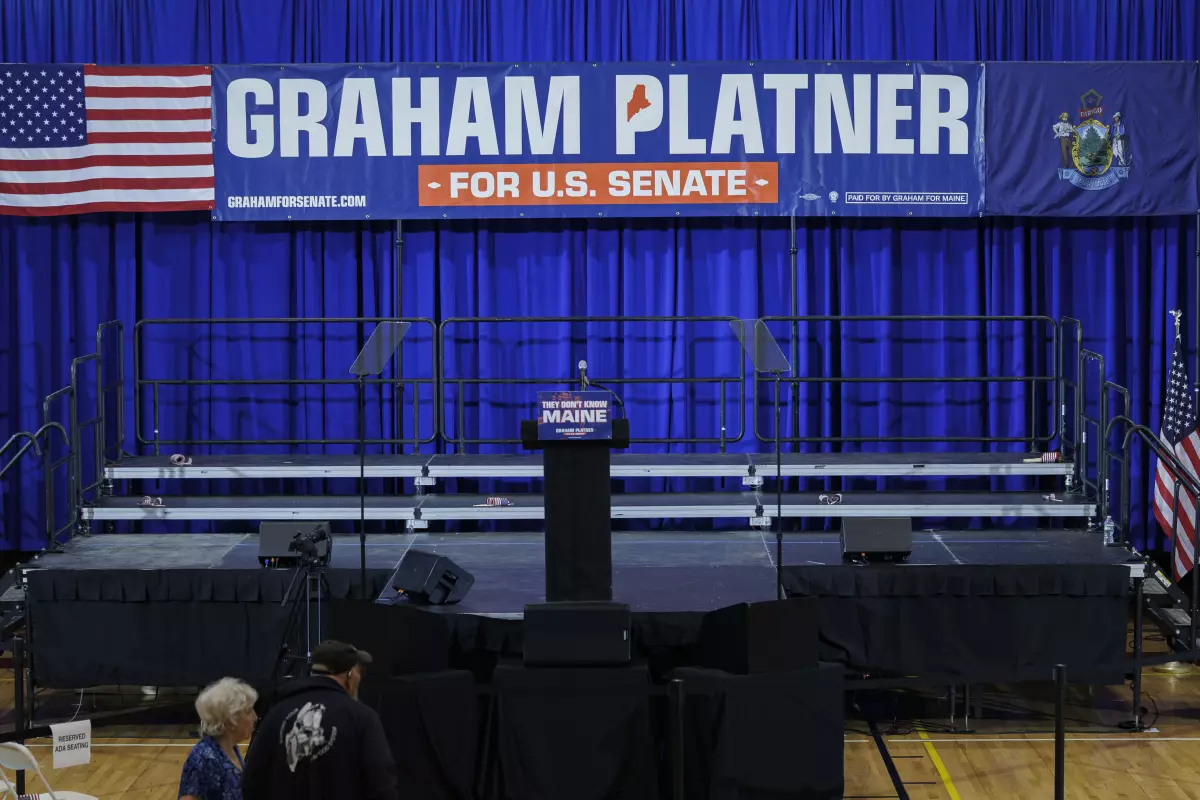
The Graham Platner suspends Senate campaign announcement marks the end of a turbulent bid for the U.S. Senate in Maine after a sexual assault allegation triggered widespread political fallout within the Democratic Party.
Platner confirmed in a video posted to social media that his campaign would halt operations, stating that the decision was intended to allow the broader political movement he supported to continue without his candidacy becoming its central focus. He maintained that suspending the campaign should not be interpreted as an admission of wrongdoing and continued to deny the allegation against him.
The decision came after several days of mounting pressure from Democratic leaders, elected officials, and party organizations that publicly called for him to withdraw from the race.
Democratic Support Quickly Collapsed After New Allegation
Platner’s campaign had previously weathered several controversies, including criticism over past online activity and other reports involving his personal conduct. However, the political response changed dramatically after a former partner publicly accused him of sexual assault in an allegation that he has categorically denied.
Following publication of the allegation, several prominent Democratic lawmakers withdrew their endorsements, while state party officials publicly urged Platner to leave the race. The loss of support extended to influential national figures as well as organizations responsible for helping Democratic candidates compete in Senate elections.
The rapid withdrawal of endorsements significantly weakened the campaign’s ability to continue operating, leaving its future increasingly uncertain.
Campaign Suspension Reshapes the Maine Senate Race
The decision to suspend the campaign has immediate implications for Democrats seeking to challenge the Republican incumbent in Maine. State election law establishes deadlines that determine whether a political party may replace a nominee before the general election ballot is finalized.
Political analysts note that timing became a critical factor as party leaders sought to preserve their opportunity to nominate another candidate if Platner exited the race before the legal deadline.
The controversy also highlights how allegations involving candidates can rapidly alter campaign dynamics, particularly when endorsements, fundraising support, and institutional backing begin to disappear within a short period.
Focus Shifts to the Future of the Senate Contest
With Platner no longer actively campaigning, attention now turns to how Maine Democrats will proceed in one of the state’s most closely watched federal races. Party officials are expected to evaluate available legal options while considering whether to support a replacement candidate under applicable election rules.
The development also underscores the significant influence that party endorsements, campaign organizations, and national political committees can have during competitive elections. Once major institutional support is withdrawn, campaigns often face substantial financial and organizational challenges that make continued operations increasingly difficult.
As the election calendar advances, both political parties are expected to focus on preparing for the general election while voters await further decisions regarding the Democratic nomination and the overall direction of Maine’s Senate race.