
US Inflation Tops 4% as Energy Prices Drive the Largest Annual Increase Since 2023
The phrase “US inflation tops 4%” is once again dominating economic discussions after fresh government data showed the sharpest annual rise in consumer prices since 2023. Rising fuel costs have become the main driver behind the acceleration, placing renewed pressure on households already facing higher living expenses.
Consumer prices increased 4.2% in May compared with the same month a year earlier. The latest figures highlight how energy markets continue to influence the broader economy, particularly after disruptions to global oil transportation routes. Data published by the Labor Department showed inflation growing faster than wage gains, creating a situation in which many workers are effectively losing purchasing power.
Energy costs accounted for the majority of monthly price growth, while several essential household categories remained comparatively stable. Additional economic indicators suggest the Federal Reserve may face increasing challenges as it balances inflation risks against monetary policy decisions.
The annual inflation rate reached 4.2% in May, marking the highest reading recorded in more than three years. Economists had been closely monitoring fuel markets after geopolitical tensions disrupted major oil supply routes and increased transportation costs across multiple industries.
According to information published by the Labor Department, prices rose 0.5% between April and May. Energy-related expenses represented more than 60% of that monthly increase. Market participants have been paying close attention to developments affecting oil shipments through strategic waterways, while analysts continue reviewing data available through U.S. Department of Energy resources that monitor national energy trends.
The jump in fuel costs quickly spread beyond gas stations. Transportation companies faced higher operating expenses, airlines adjusted ticket pricing, and businesses dependent on shipping encountered additional cost pressures. These effects contributed to a broader rise in consumer expenses even as several non-energy categories remained relatively restrained.
Gasoline Prices and Transportation Costs Put Pressure on Household Budgets
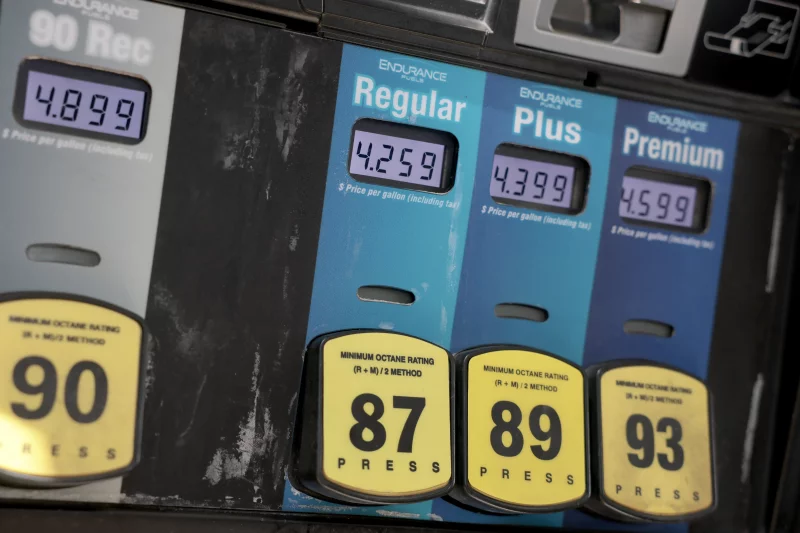
Gasoline prices increased by more than USD 1.00 per gallon after the conflict began, becoming one of the most visible examples of inflation affecting everyday consumers. The nationwide average remained around USD 4.15 per gallon, significantly above pre-conflict levels.
Higher fuel prices also influenced travel expenses. Airline fares in May were approximately 27% higher than a year earlier, reflecting increased operating costs throughout the aviation sector. Industry observers tracking developments through International Air Transport Association data have noted how fuel expenditures continue to represent a major component of airline pricing decisions.
Food prices presented a different picture. Grocery costs increased only 0.1% during the month, suggesting inflationary pressure remained concentrated in specific sectors rather than spreading evenly throughout the economy. Core inflation, which excludes food and energy because of their volatility, reached 2.9% over the previous twelve months.
For households, the broader concern remains the gap between inflation and income growth. Average wages increased 3.4% over the past year, trailing the overall rise in consumer prices. Additional labor market indicators published through Bureau of Labor Statistics databases continue to show that inflation is outpacing earnings for many workers.
Federal Reserve Faces Growing Challenges as Inflation Remains Elevated
The latest inflation figures are likely to reinforce expectations that interest rate reductions may not arrive as quickly as some investors had anticipated. Policymakers have repeatedly emphasized the importance of ensuring inflation moves sustainably toward long-term targets before considering significant adjustments to borrowing costs.
At the same time, employment conditions remain relatively stable. Employers added 172,000 jobs during the most recent reporting period, providing further evidence that the labor market continues to demonstrate resilience despite persistent price pressures. Financial markets frequently monitor policy guidance and economic projections released through Federal Reserve communications when assessing future rate decisions.
Gasoline prices have moderated slightly in recent days amid expectations that diplomatic negotiations could reduce tensions and improve supply conditions. Even so, fuel costs remain substantially above levels recorded before the conflict, leaving inflation elevated and maintaining pressure on consumers, businesses, and policymakers alike.