Trump Says US Will Hit Iran Hard Again Following Overnight Military Exchanges
The phrase “Trump says US will hit Iran hard again” moved to the center of international attention on Wednesday. This happened after the US president signaled that additional military action could be imminent. Speaking from the Oval Office, Donald Trump said the United States would continue its military campaign against Iran. This came following a new round of overnight attacks exchanged by both countries.
His remarks came at a delicate moment. While Trump maintained that Washington and Tehran were still close to reaching a peace agreement, he also accused Iran of delaying negotiations. Moreover, he warned that further consequences would follow. The combination of diplomatic language and military threats underscored the uncertainty. This situation surrounds a conflict that has repeatedly shifted between negotiation and confrontation.
The latest developments rattled governments, energy markets and shipping operators across the Middle East. Here, military activity has increasingly affected strategic infrastructure and commercial routes.
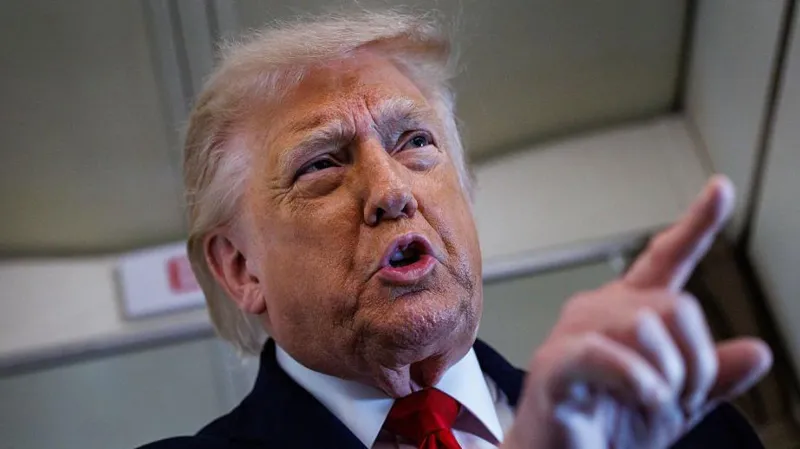
Addressing reporters at the White House, Trump defended Tuesday’s military operation and indicated that additional strikes would follow.
“We hit them hard yesterday and we’re going to hit them hard again today,” he said. He described the operation as a response to the recent downing of a US Army helicopter near the Strait of Hormuz.
The incident has become a major flashpoint in the broader confrontation between Washington and Tehran. American military officials stated that the operation targeted Iranian defense systems and radar installations. In addition, it targeted command facilities located near one of the world’s most important maritime corridors.
As tensions increased, analysts and policymakers continued monitoring developments through U.S. Department of Defense resources, where updates on regional military operations remain closely followed.
Trump also reiterated that Iran had taken too long to reach an agreement with Washington. Despite suggesting that a diplomatic breakthrough remained possible, he insisted Tehran would now face a higher cost for its actions.
Iran Retaliates While Regional Shipping and Infrastructure Face Growing Risks
Iranian authorities responded by announcing strikes against multiple US military installations across the region. The Islamic Revolutionary Guard Corps said attacks targeted American facilities in Bahrain and Jordan. Meanwhile, regional defense forces reported intercepting additional projectiles.
US officials later stated that nearly all incoming missiles and drones had been intercepted before reaching their intended targets. No American casualties were reported.
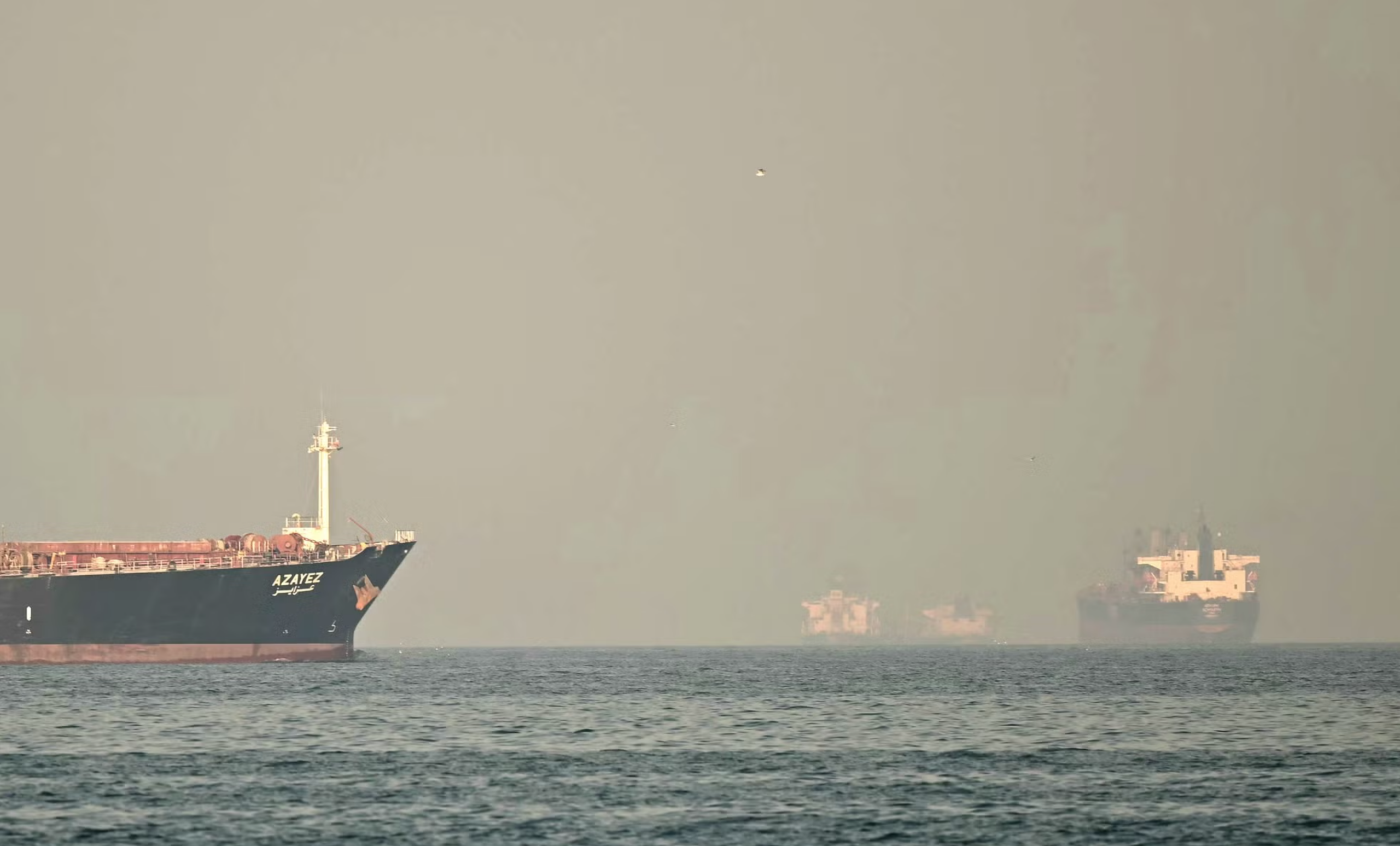
Beyond military sites, concerns expanded to commercial shipping. India’s government disclosed that a merchant vessel operating near Oman had come under attack. As a result, several sailors were left unaccounted for during ongoing search efforts.
Maritime security agencies have also reported incidents involving tankers operating near the Gulf of Oman. Shipping companies continue evaluating risks through information published by International Maritime Organization. Meanwhile, insurers and operators assess the potential impact of further disruptions on global trade.
Iranian state media reported that recent US strikes damaged infrastructure in southern coastal areas, including water facilities serving local communities. The reports highlighted how the conflict is increasingly affecting civilian systems alongside military targets.
Nuclear Negotiations Remain Uncertain Despite Continued Diplomatic Contacts
Even as military operations intensified, diplomatic channels remained open. Iranian officials accused Washington of sending contradictory signals by discussing peace negotiations while simultaneously expanding military pressure.
Foreign ministry spokesman Esmaeil Baqai argued that meaningful diplomacy requires stability. He accused the United States of undermining the negotiation process through repeated military actions.
At the center of the dispute remains Iran’s nuclear program. International inspectors continue seeking additional information regarding uranium stockpiles and enrichment activities. Furthermore, they seek information about production facilities. Recent developments involving oversight measures have drawn attention from organizations such as the International Atomic Energy Agency. This agency remains deeply involved in monitoring nuclear activities.
Western governments continue expressing concerns that Iran could eventually develop nuclear weapons capability. Meanwhile, Tehran insists its program is intended exclusively for peaceful civilian purposes. Discussions surrounding verification measures and transparency requirements remain active within diplomatic forums. In addition, future restrictions are discussed within forums coordinated through the United Nations.
The conflict traces its origins to the large-scale military campaign launched on February 28. This campaign triggered a chain of retaliatory actions across the region. Since then, ceasefires, missile exchanges, diplomatic meetings and military operations have repeatedly alternated. This has left the broader Middle East facing one of its most unstable security environments in recent years.