The United States and Iran have announced an initial agreement designed to end more than three months of conflict and restore commercial traffic through the strategically vital Strait of Hormuz.
The agreement, which officials say is expected to be formally signed in Switzerland later this week, represents the most significant diplomatic breakthrough since hostilities erupted earlier this year. Global markets reacted positively to the announcement, with stock indexes rising and oil prices falling amid expectations that energy exports from the Persian Gulf could soon resume at normal levels.
A Major Step Toward Ending the Conflict
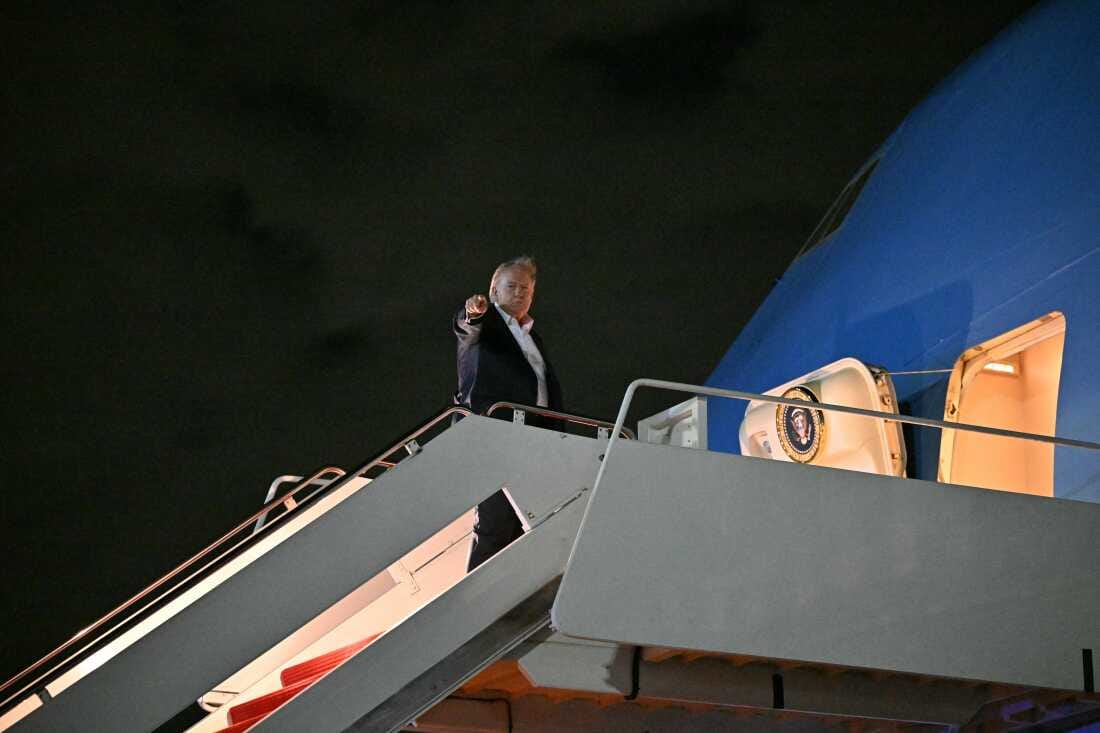
President Donald Trump declared on social media that negotiations with Iran had concluded successfully, describing the agreement as complete and praising all parties involved in the talks.
Iran’s Supreme National Security Council also confirmed that an understanding had been reached after months of intensive negotiations, characterizing the agreement as an important achievement for both sides.
The deal is intended to strengthen the current ceasefire and reduce tensions that have destabilized the Middle East and disrupted global energy markets. Officials from both countries indicated that a formal signing ceremony is expected to take place in Switzerland on Friday.
Strait of Hormuz Set to Reopen
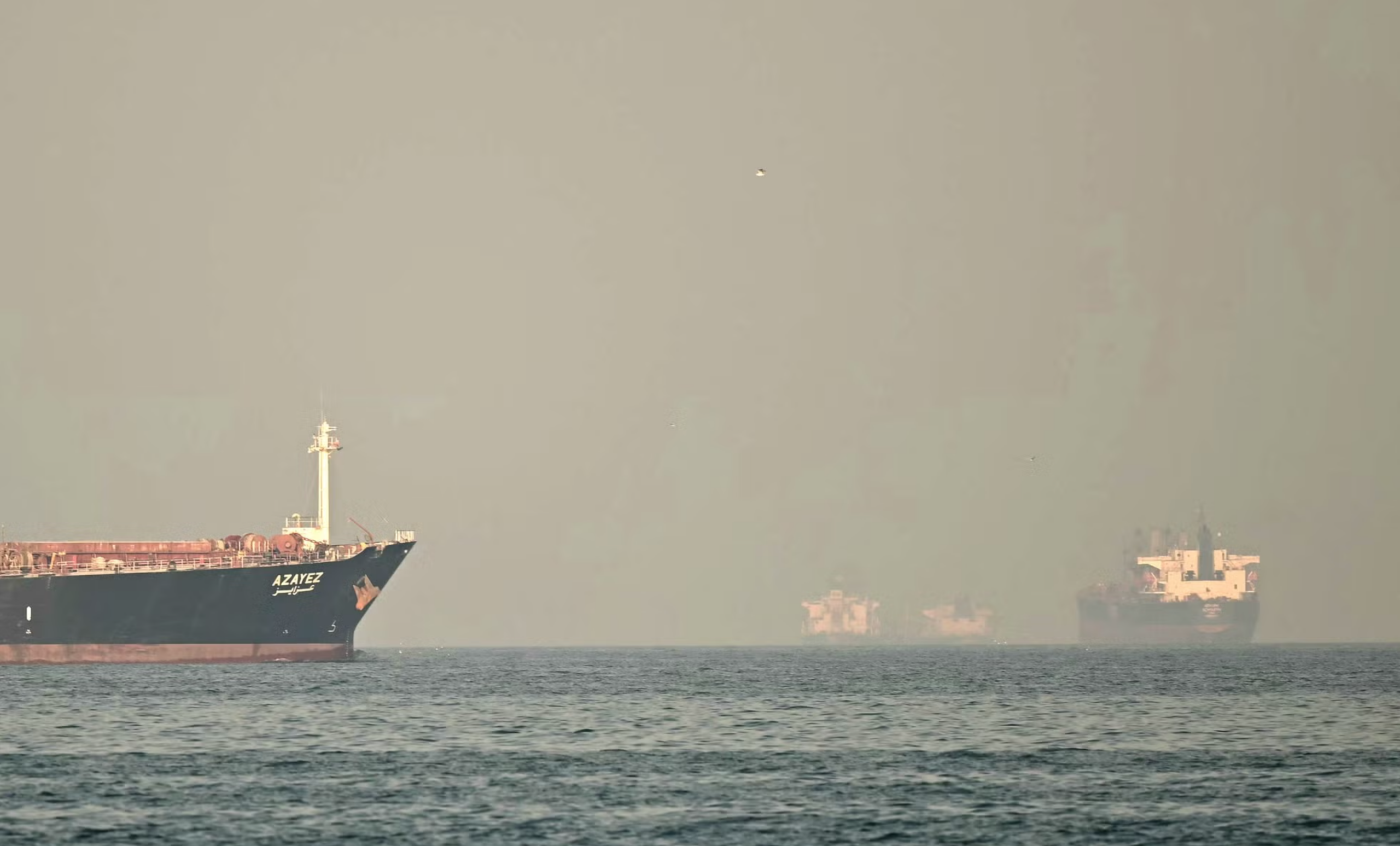
One of the most immediate consequences of the agreement would be the reopening of the Strait of Hormuz, one of the world’s most important maritime trade routes.
The narrow waterway is responsible for transporting roughly one-fifth of the world’s oil supply. Disruptions in the strait during the conflict caused significant volatility in energy markets and raised concerns about global economic stability.
Under the agreement, both sides are expected to lift restrictions that have hindered shipping operations. Efforts to clear potential hazards and restore normal navigation are expected to begin shortly after the deal is formally signed.
The reopening of the strait is viewed as a critical step toward stabilizing oil prices and easing pressure on international supply chains.
Regional Security Remains Uncertain
Although the agreement addresses some immediate military concerns, several regional security issues remain unresolved.
The understanding reportedly includes efforts to halt ongoing attacks involving U.S. and Iranian-backed forces and to reduce violence connected to the conflict between Israel and Hezbollah in Lebanon.
However, Israeli officials have indicated that military operations and troop deployments in parts of southern Lebanon may continue, highlighting the challenges facing broader regional peace efforts.
Continued clashes along the Israel-Lebanon border suggest that additional negotiations may be necessary before a lasting settlement can be achieved.
Nuclear Program Still Under Negotiation
Perhaps the most significant unresolved issue is the future of Iran’s nuclear program.
While the agreement extends the current ceasefire for 60 days, both countries will use that period to negotiate a more comprehensive settlement. Discussions are expected to focus heavily on nuclear enrichment activities, international monitoring, sanctions relief, and frozen Iranian assets held abroad.
Reports indicate that the United States may be open to allowing limited levels of nuclear enrichment under strict conditions, though final details have not yet been released.
Iran has also continued to seek the release of billions of dollars in frozen funds and broader relief from economic sanctions imposed by the United States and its allies.
Markets Respond Positively
Financial markets reacted quickly to news of the agreement.
Investors welcomed the possibility of reduced geopolitical risk in the Middle East, helping push major stock indexes higher. Oil prices also declined sharply as traders anticipated a return of more stable energy supplies from the Gulf region.
Economists note that the reopening of shipping lanes and reduced military tensions could provide additional support for global economic growth if the agreement holds.
What Happens Next?
The coming weeks will be crucial in determining whether the initial agreement evolves into a lasting peace arrangement.
The ceasefire extension provides a temporary framework for continued diplomacy, but significant differences remain regarding nuclear policy, sanctions, regional security, and economic relations.
If negotiators can reach consensus on those issues during the next 60 days, the agreement could become the foundation for a broader normalization of relations. If talks collapse, however, tensions could quickly return.
For now, both Washington and Tehran appear committed to pursuing diplomacy, offering a rare opportunity to reduce one of the world’s most dangerous geopolitical flashpoints.