U.S. dismisses Iran’s response as negotiations stall
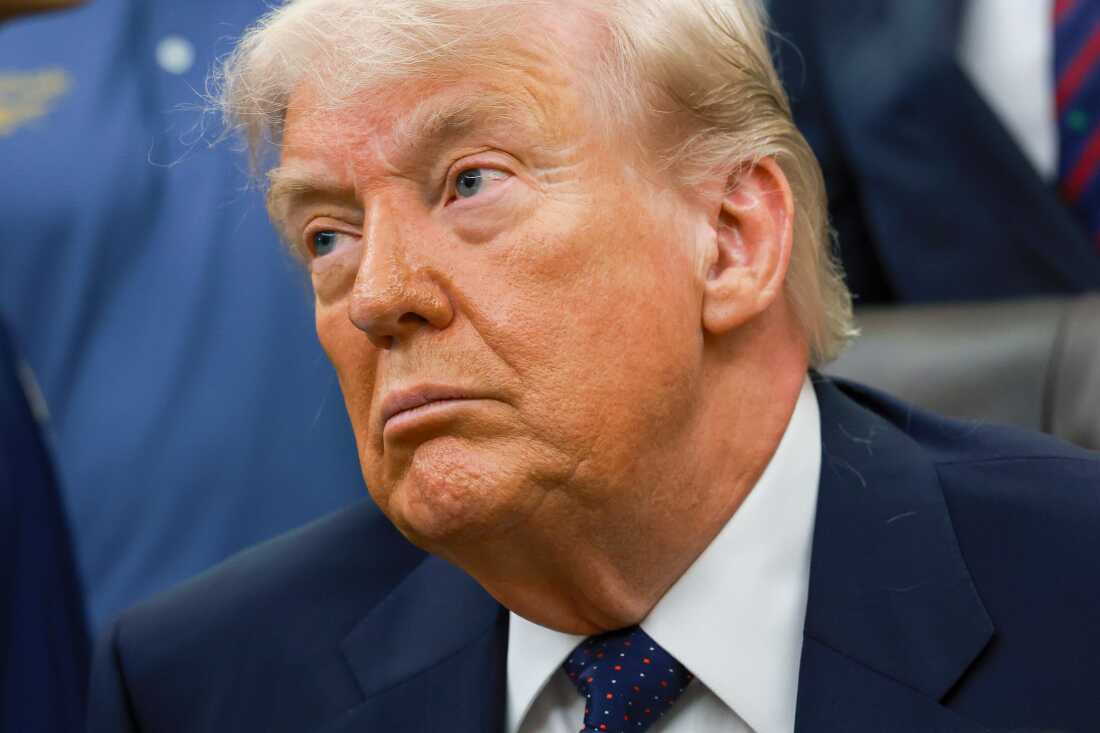
U.S. President Donald Trump publicly rejected Iran’s latest response to a proposed ceasefire agreement, signaling a deepening impasse in efforts to end the ongoing conflict that began on February 28.
In a strongly worded social media statement, Trump described Iran’s position as “totally unacceptable,” accusing Iran of attempting to delay meaningful progress. The rejection highlights growing frustration within the United States administration as diplomatic channels struggle to produce results.
Iran’s response, delivered through intermediaries in Pakistan, outlined several conditions for a ceasefire, including the lifting of U.S. sanctions on oil exports, the removal of naval blockades on Iranian ports, and the unfreezing of state assets held abroad.
Strategic demands and rising economic pressure
Strait of Hormuz becomes central to negotiations
A key point of contention remains control over the Strait of Hormuz, one of the world’s most critical energy transit routes. Iran has linked its willingness to maintain a ceasefire to the reopening of this maritime corridor, which it restricted following the outbreak of hostilities.
The closure of the strait has disrupted global oil shipments, contributing to rising fuel prices and increasing volatility in international energy markets. In response, the United States implemented a counter-blockade targeting Iranian ports, further intensifying economic pressure on Tehran.
Iranian officials have stated that their current negotiating position remains consistent with prior proposals, emphasizing a willingness to pursue peace if reciprocal concessions are made.
Sanctions and regional influence at the core
The United States has justified its military actions by citing multiple objectives, including dismantling Iran’s nuclear program, limiting its missile capabilities, and curbing its support for regional groups such as Hezbollah.
However, Iran’s insistence on lifting sanctions—particularly those affecting oil exports—underscores the economic dimension of the conflict. Oil revenues remain a cornerstone of Iran’s economy, and restrictions have significantly constrained its financial capacity.
Global implications and geopolitical uncertainty
Allies watch closely as tensions persist
The ongoing standoff has raised concerns among international allies, particularly within NATO, about the broader implications for global security and economic stability.
Military exercises across Europe, including operations in Germany, reflect heightened readiness amid fears that the conflict could expand beyond the immediate region.
The disruption of energy supplies has also triggered ripple effects across global markets, affecting industries and consumers far beyond the Middle East.
Diplomatic path remains uncertain
While both sides have signaled a nominal willingness to continue discussions, the gap between their positions remains substantial. Iran has framed the current phase of talks as focused exclusively on halting hostilities, while the United States continues to push for broader concessions tied to long-term security objectives.
The outcome of these negotiations will likely determine not only the trajectory of the current conflict but also the future balance of power in the region.