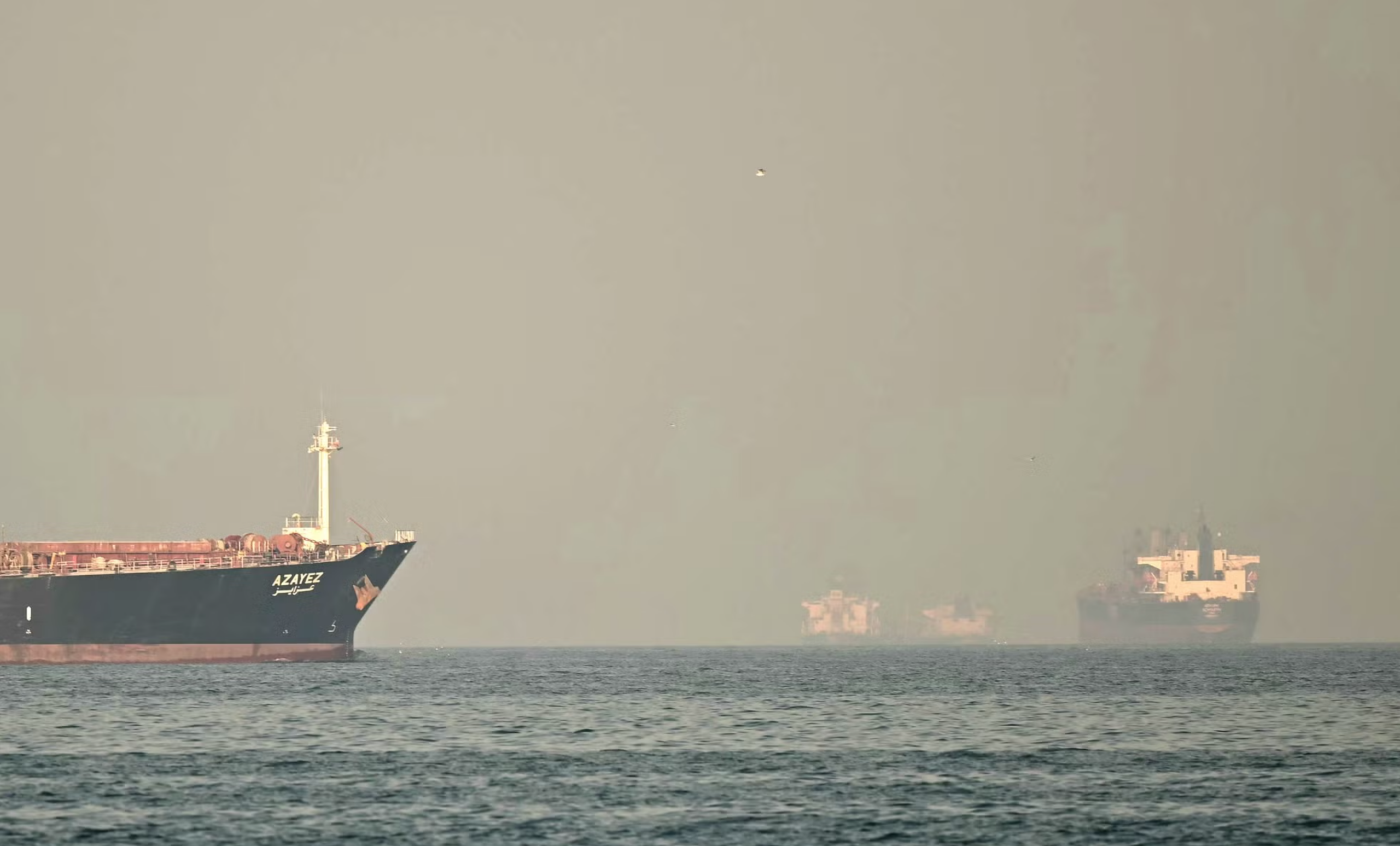

Public health officials across several countries are intensifying efforts to track and monitor passengers connected to a suspected hantavirus outbreak aboard the MV Honius cruise ship. This follows after dozens of travelers dispersed internationally before the illness was identified. In light of this situation, hantavirus contact tracing has become a critical tool for tracking potential exposures. It is also essential for containing further spread.
Authorities believe the overall risk to the public remains low. However, investigators are moving quickly to identify anyone who may have had prolonged exposure to infected passengers. Several travelers who left the ship on the remote Atlantic island of St. Helena later boarded international flights. Their destinations included the United States, Europe and South America. This prompted a coordinated multinational response.
Experts say the current situation demonstrates why contact tracing remains one of the most effective tools in infectious disease control. This is especially true when dealing with viruses that can spread silently before symptoms appear.
How Contact Tracing Helps Stop Disease Outbreaks
Contact tracing is a longstanding public health strategy used to interrupt chains of infection before outbreaks expand. Medical investigators begin by identifying confirmed or suspected patients. They then map out recent close interactions to determine who else may have been exposed.
The method has been used for decades to combat illnesses ranging from tuberculosis and meningitis to Ebola and COVID-19. Epidemiologists describe the process as building a timeline of human interactions to understand how a virus may travel between individuals.
In the hantavirus outbreak linked to the cruise ship, investigators are especially focused on passengers who spent extended periods in close quarters with infected individuals. Because the suspected virus strain may involve rare human-to-human transmission, identifying high-risk contacts quickly is considered essential.
Health specialists note that incubation periods can complicate containment efforts. Some people exposed to hantavirus may not develop symptoms for several weeks. This creates uncertainty about when and where transmission may have occurred.
Researchers involved in infectious disease surveillance say the challenge is not simply identifying everyone a patient encountered. Instead, it is prioritizing those with the highest exposure risk. Public health agencies often classify contacts into high, medium and low-risk categories to avoid overwhelming response systems.
Medical teams are also relying on laboratory analysis and data-sharing systems supported through organizations such as the Centers for Disease Control and Prevention. These systems help compare symptoms, travel records and exposure histories connected to the outbreak.
Cruise Ship Investigation Spans Several Continents
The investigation surrounding the MV Honius outbreak has become increasingly complex due to the international nature of cruise travel. Passengers disembarked in different regions before the virus was fully recognized. This forced authorities to reconstruct movements across airports, hotels and connecting flights.
Disease investigators are now reviewing seating arrangements, dining schedules and onboard activities to determine where close-contact exposure may have occurred. Shared cabins, group excursions and prolonged indoor interactions are all being analyzed as possible transmission settings.
Health authorities are also monitoring airline passengers and crew members who may have unknowingly come into contact with infected travelers. For example, one airline employee reportedly developed flu-like symptoms after a flight linked to the outbreak. The employee later tested negative, easing some concerns but underscoring the seriousness of the monitoring process.
Specialists in outbreak response explain that cruise ships create unique challenges because travelers frequently interact in enclosed environments over long periods of time. In addition, dining halls, entertainment areas and ventilation systems can complicate efforts. These factors make it harder to pinpoint how exposure happened.
Teams working with European Centre for Disease Prevention and Control guidance are reportedly sharing information between countries. This helps ensure exposed travelers receive instructions about symptom monitoring and medical evaluation if necessary.
Investigators are particularly focused on identifying whether the outbreak stemmed from infected rodents aboard the vessel or from direct person-to-person spread. This may involve the Andes strain of hantavirus. It is one of the few known variants capable of human transmission.
Why Authorities Believe the Outbreak Can Be Contained
Despite international concern, infectious disease experts continue to stress that hantavirus does not spread as easily as respiratory illnesses such as influenza or COVID-19. Transmission generally requires prolonged and close exposure. This reduces the likelihood of widespread community spread.
Officials say this slower transmission pattern gives public health teams valuable time to isolate suspected cases, notify contacts and monitor individuals before symptoms worsen.
People identified as high-risk contacts are being advised to watch for warning signs including fever, muscle aches, chills, fatigue and breathing difficulties. In addition, some countries are recommending temporary isolation measures for those with direct exposure to confirmed cases.
The response also highlights lessons learned during recent global health emergencies. Public health agencies now rely on improved international communication systems, digital travel records and coordinated surveillance programs. These tools help agencies react more quickly when outbreaks emerge across borders.
Medical experts say successful containment often depends on public cooperation. Travelers connected to the cruise ship are being encouraged to answer calls from health officials. They are also encouraged to report symptoms promptly and comply with quarantine recommendations when requested.
Organizations involved in emergency disease monitoring, including the International Red Cross, have repeatedly emphasized that rapid coordination between governments, hospitals and transportation agencies can significantly reduce the risk of secondary transmission during international outbreaks.