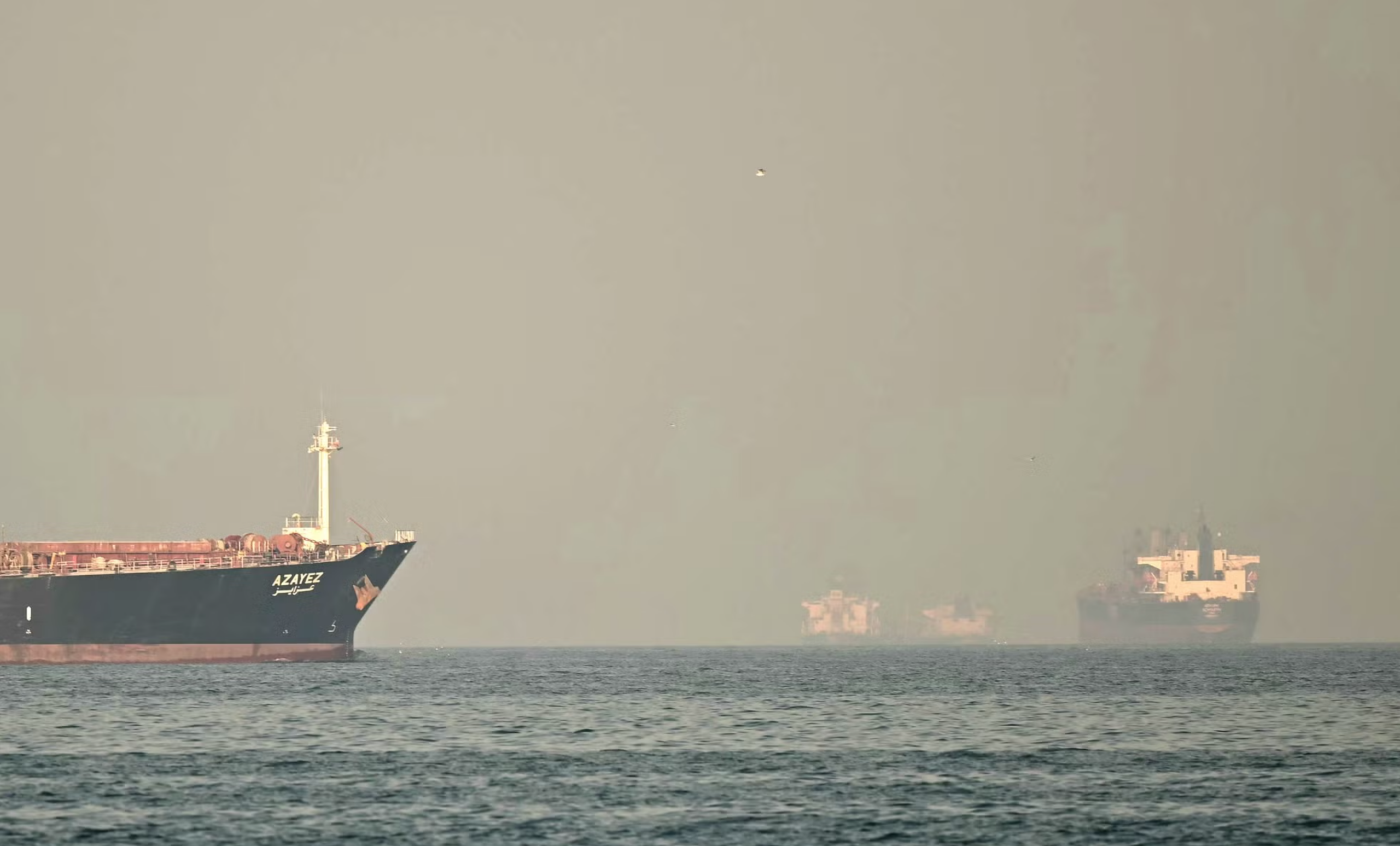
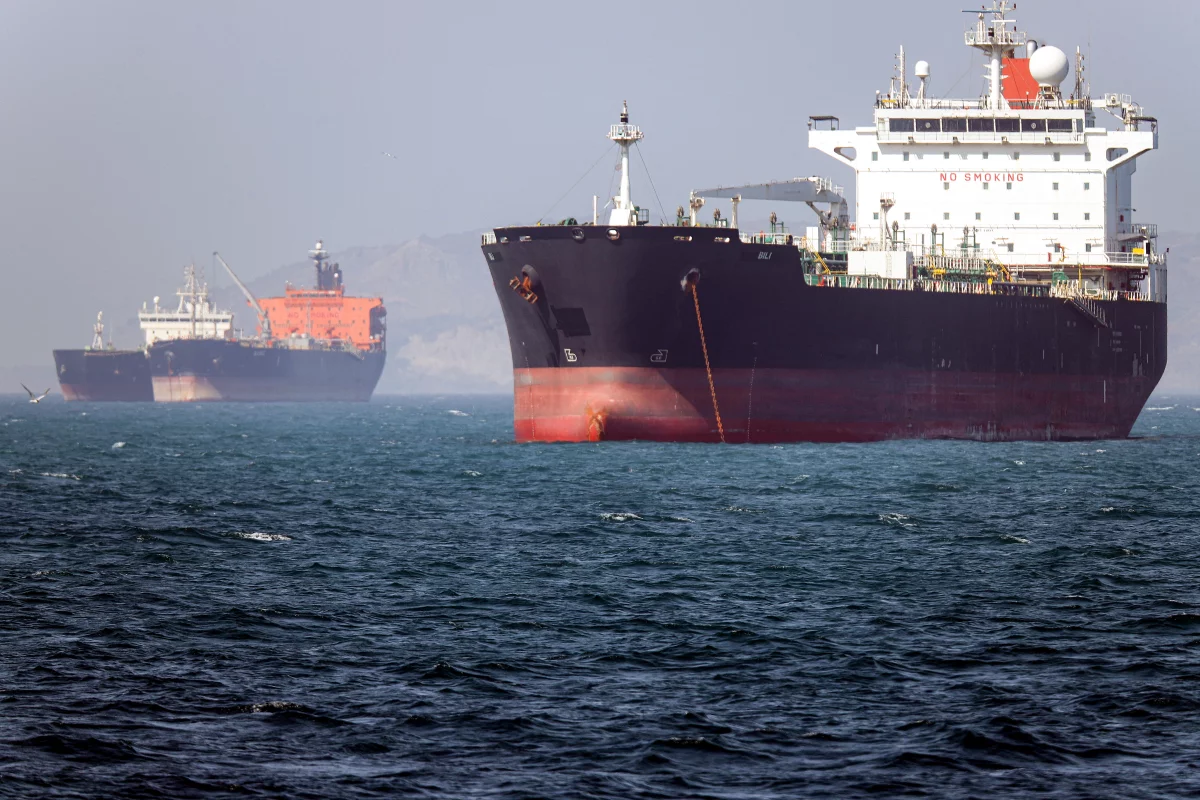
Military tensions between the United States and Iran intensified sharply after American forces targeted and disabled two Iranian oil tankers attempting to move through the Strait of Hormuz, one of the world’s most strategically important shipping corridors. This latest Strait of Hormuz conflict highlights how quickly confrontations in the region can escalate. The confrontation unfolded amid an increasingly fragile ceasefire that has struggled to contain hostilities since fighting erupted earlier this year.
The latest exchange has renewed fears over disruptions to global energy supplies and added further uncertainty to already volatile oil markets. Governments across the Middle East and Asia are closely monitoring the situation as military operations continue near major commercial shipping lanes.
Washington insists that diplomatic negotiations remain possible, even as both sides accuse one another of violating ceasefire conditions. Meanwhile, commercial shipping companies, insurers, and energy traders are preparing for prolonged instability across the Persian Gulf region.
U.S. and Iran Exchange Fire Near Strategic Shipping Route
American military officials said U.S. naval forces responded after Iranian units allegedly attempted to target several Navy vessels operating in the strait. According to military statements, fighter aircraft later struck two Iranian tankers that officials claimed were attempting to bypass an American blockade imposed on Iranian ports.
The confrontation represents one of the most serious escalations in the region since the conflict began. The Strait of Hormuz handles a significant percentage of the world’s crude oil exports, making any disruption a major concern for international markets and governments dependent on Gulf energy supplies.
The U.S. Department of Energy has previously identified the strait as one of the most critical global energy chokepoints due to the volume of oil and gas shipments moving through the narrow waterway every day.
Iranian officials condemned the strikes, calling them a violation of diplomatic efforts aimed at preserving the ceasefire. Tehran also accused Washington of escalating the conflict despite ongoing discussions over sanctions relief and maritime security arrangements.
At the same time, regional governments have expressed growing concern over the potential spread of hostilities beyond the immediate conflict zone. The United Arab Emirates reported missile and drone activity near its airspace, while commercial operators warned that shipping traffic remains severely disrupted.
Shipping analytics firms reported hundreds of vessels waiting near Gulf ports due to uncertainty surrounding safe passage through the region. Several major insurers have also raised premiums for tankers operating near the strait.
Oil Markets and Global Trade Face Growing Pressure
The military confrontation has intensified fears of a prolonged energy crisis. Oil prices have surged in recent weeks as traders react to disruptions affecting one of the world’s most vital export routes.
The International Energy Agency has repeatedly warned that instability in the Persian Gulf could have serious consequences for fuel availability and inflation worldwide. Several Asian economies remain heavily dependent on crude transported through Hormuz, including South Korea, Japan, India, and China.
Satellite imagery reviewed by maritime analysts also appeared to show an expanding oil slick near Iran’s Kharg Island export terminal, raising environmental concerns in addition to the economic fallout. Experts are still investigating whether the spill resulted from military strikes, infrastructure damage, or technical failures.
Environmental organizations monitoring the Gulf region warned that any large-scale spill could threaten marine ecosystems and fisheries if cleanup operations are delayed due to ongoing military activity.
Commercial energy companies are now evaluating alternative shipping routes and contingency plans should the waterway remain partially blocked. However, experts note that rerouting large quantities of Gulf oil is logistically difficult and could significantly increase transportation costs.
Meanwhile, fuel prices continue climbing globally as investors react to uncertainty surrounding future oil supply levels. Several governments have already begun discussing emergency measures aimed at stabilizing domestic fuel markets and limiting inflationary pressure.
Diplomatic Efforts Continue Amid Rising Regional Risks
Despite the military escalation, diplomatic channels between Washington and Tehran remain active. U.S. officials said they are still awaiting a formal Iranian response to proposals involving maritime security guarantees and restrictions on Iran’s nuclear activities.
The U.S. Department of State stated that negotiations remain possible if Iran demonstrates willingness to reduce tensions and reopen commercial navigation routes. Secretary of State Marco Rubio also emphasized that freedom of navigation through international waterways remains a central American objective.
Iran, however, has continued asserting greater control over shipping traffic in the region. Reports indicate that Iranian authorities have introduced new oversight procedures for vessels attempting to cross the strait, further alarming global shipping companies.
The issue has drawn increasing international attention because the Strait of Hormuz is considered an essential route for global trade. According to the International Monetary Fund, prolonged disruptions to energy exports from the Gulf could contribute to slower global economic growth and renewed inflation pressures across multiple industries.
China, one of the largest buyers of Iranian oil, has also expressed concern following attacks involving commercial tankers near the region. Chinese officials urged all parties to avoid further escalation and protect civilian maritime operations.
Military analysts warn that continued clashes near the strait could create broader geopolitical consequences extending far beyond the Middle East. Financial markets, energy infrastructure, and global shipping networks remain highly sensitive to developments in the Gulf as governments and corporations brace for additional uncertainty.