
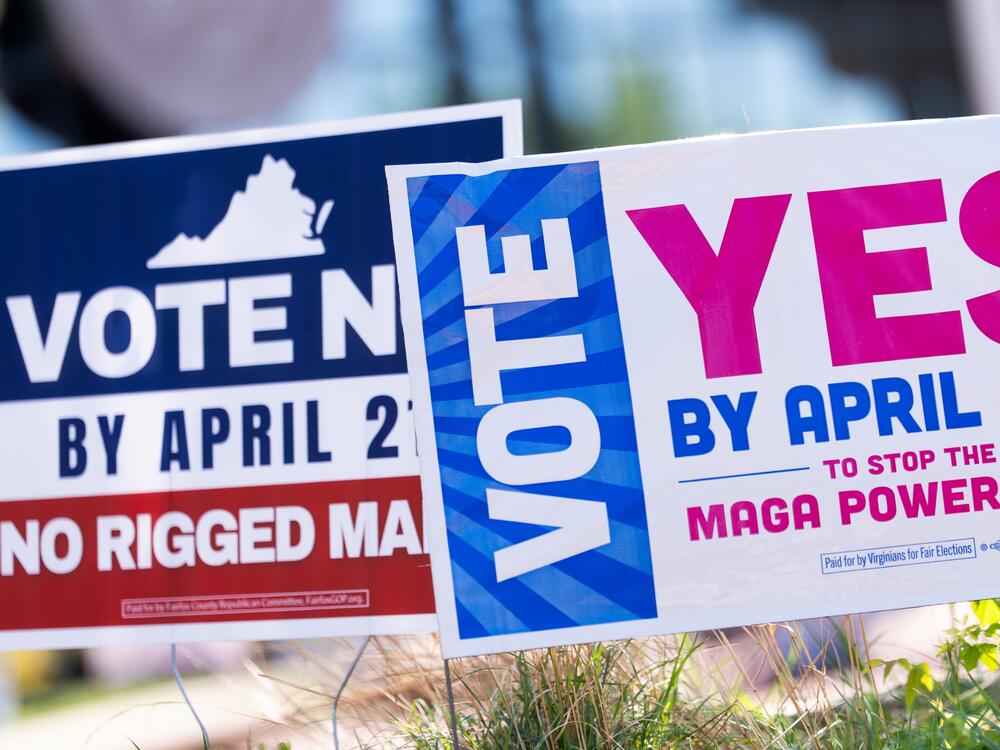
The Supreme Court of Virginia has struck down a congressional redistricting plan approved by voters, delivering a significant political blow to Democratic efforts to reshape electoral maps ahead of upcoming elections. The ruling effectively halts a strategy aimed at countering Republican-led redistricting efforts across multiple states.
Court Rules Amendment Process Violated Constitution
In a closely divided decision, the court determined that the Democratic-led legislature failed to follow the constitutionally required process for placing the redistricting amendment on the ballot. According to the majority opinion, procedural missteps invalidated the referendum despite voter approval.
The ruling emphasized that constitutional amendments in Virginia must pass through a multi-step legislative process, including votes in separate sessions with an election in between. The court concluded that this sequence was not properly followed, rendering the amendment legally ineffective.
As a result, officials have been ordered to use the same congressional district maps implemented during the 2022 and 2024 election cycles, preserving the existing political balance for the next election.
Political Impact Favors Republican Position
The decision is expected to have immediate political consequences. Democrats had viewed the redistricting plan as a pathway to flipping multiple Republican-held seats, potentially altering control of the U.S. House of Representatives.
Without the new maps, Republicans maintain a structural advantage. The broader redistricting landscape has increasingly favored GOP-led efforts, particularly as several states have undertaken mid-decade map revisions. This trend has been reinforced by recent developments at the U.S. Supreme Court, which have influenced how voting rights laws are interpreted and applied.
The outcome in Virginia adds to a growing list of state-level decisions that could shape congressional representation nationwide, especially in closely contested districts.
Legal and Political Debate Intensifies
Democratic leaders criticized the ruling, arguing that it overrides the will of voters who approved the amendment. They contend that procedural technicalities should not outweigh the outcome of a public referendum.
Republican officials, however, welcomed the decision, framing it as a defense of constitutional order and proper legislative procedure. The case highlights an ongoing national debate over how electoral maps are drawn and who should control that process.
At its core, the controversy reflects deeper tensions within the U.S. political system regarding representation, fairness, and institutional authority. As election season approaches, the implications of this ruling are likely to resonate far beyond Virginia, influencing both campaign strategies and voter engagement across the country.