
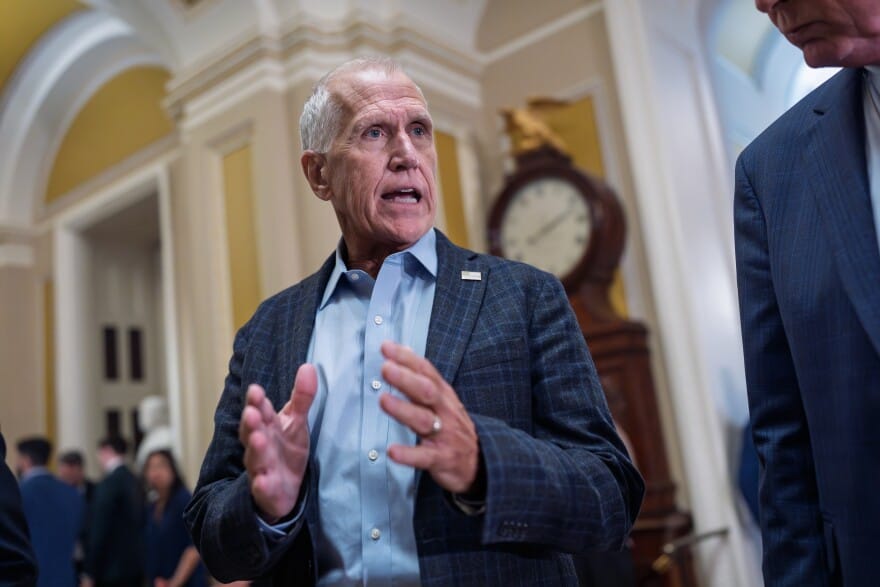
The Trump agenda in Congress is encountering growing resistance from an unexpected group: Republican senators who are preparing to leave office and no longer face the political pressures associated with reelection campaigns. Their changing political circumstances have given them greater flexibility to challenge administration priorities, delay nominations, and demand concessions on key policy issues.
Among the most closely watched figures are Senator John Cornyn of Texas, Senator Thom Tillis of North Carolina, and Senator Bill Cassidy of Louisiana. While each lawmaker has supported many conservative policies throughout their careers, recent developments have placed them at the center of debates over the future direction of the Republican Party and the influence of the MAGA movement within Congress.
Political observers note that departing lawmakers often gain additional independence because they are less constrained by electoral considerations. As a result, their votes can become increasingly important in closely divided legislative battles. Information about congressional proceedings can be found through Congress.gov.
Republican Senators Leaving Congress Gain New Political Leverage
The departure of several veteran Republican lawmakers has sparked discussion about how much influence they could exert during their final months in office. Without the need to campaign for reelection, these senators possess greater freedom to oppose leadership positions or challenge policies that they believe require additional scrutiny.
John Cornyn’s recent primary defeat represented a significant moment in Texas political history. After serving multiple terms in the Senate, he became one of the highest-profile Republican incumbents to lose a primary contest amid growing divisions within the party.
Meanwhile, Thom Tillis announced that he would not seek another term, a decision that followed increasing political tensions within Republican circles. Since then, Tillis has adopted a more independent posture on several legislative matters, emphasizing the considerable influence individual senators can still exercise.
Bill Cassidy has similarly demonstrated a willingness to evaluate administration proposals on a case-by-case basis rather than automatically supporting every party initiative.
Additional information about Senate leadership and legislative responsibilities is available through United States Senate.
Nominations Become a Major Battleground for the Trump Agenda in Congress
One area where departing senators may have the greatest impact is the confirmation process for executive branch appointments and key federal positions. Senate approval remains a critical step for many high-profile nominations, giving lawmakers substantial leverage during negotiations.
Recent confirmation debates have highlighted the influence individual senators can wield when margins are narrow. Questions surrounding judicial appointments, executive agency leadership, and regulatory positions have created opportunities for lawmakers to seek policy commitments before supporting nominees.
Several Republican senators have also requested additional assurances regarding justice-related policies and administration initiatives connected to ongoing debates over accountability, law enforcement, and federal oversight.
Because confirmation votes often require broad support within the Senate majority, even a small number of dissenting lawmakers can significantly alter the outcome of key nominations.
Information regarding federal appointments and executive branch responsibilities can be found through The White House.
Foreign Policy and National Security Debates Could Expand Senate Influence
Beyond nominations, outgoing lawmakers may also play an important role in shaping discussions related to foreign policy and national security. Questions surrounding diplomatic negotiations, international agreements, and military strategy frequently require congressional consultation or review.
Recent debates involving U.S. policy toward Iran have demonstrated how senators can influence the direction of foreign affairs discussions. Should future agreements reach Congress for consideration, lawmakers from both parties could have opportunities to demand revisions, request additional oversight measures, or seek greater transparency from administration officials.
The willingness of experienced senators to challenge aspects of executive policy reflects broader debates about the balance of power between Congress and the presidency. As these lawmakers approach the end of their terms, their votes may carry added significance in determining how key policies advance through Washington.
With several months remaining before the next congressional transition, political analysts expect continued attention on the role departing senators may play in shaping legislative outcomes, influencing nominations, and affecting the broader trajectory of the Trump agenda in Congress.
Further information on U.S. foreign policy and government institutions is available through U.S. Department of State.