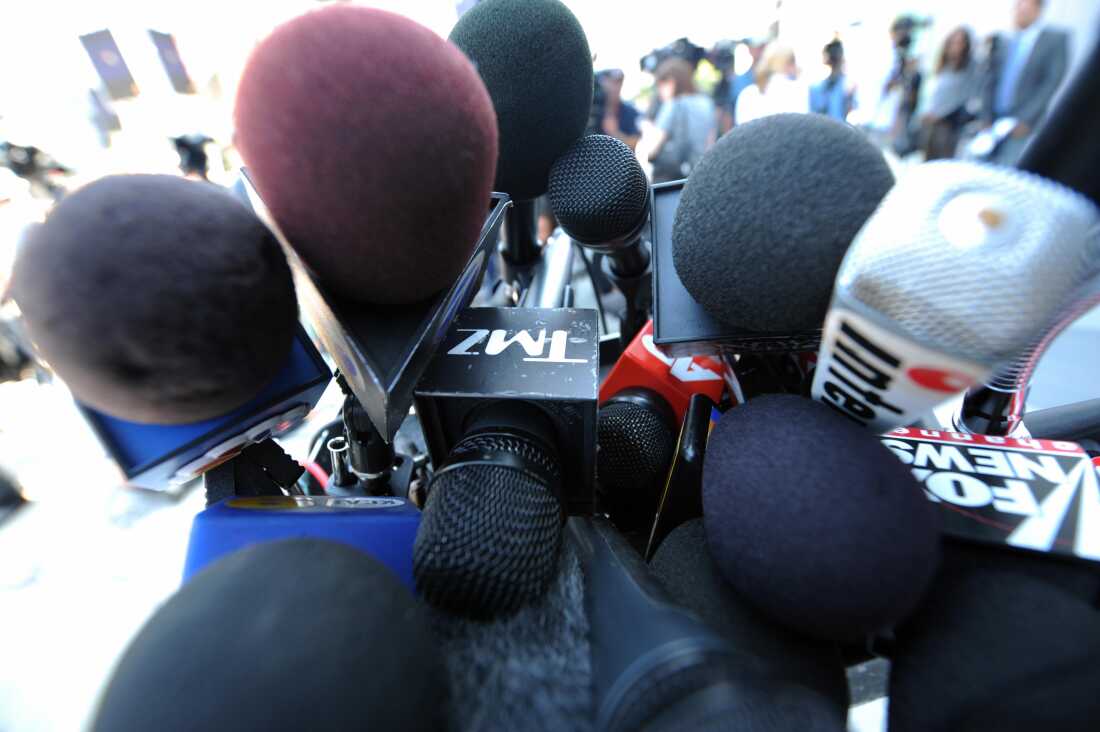
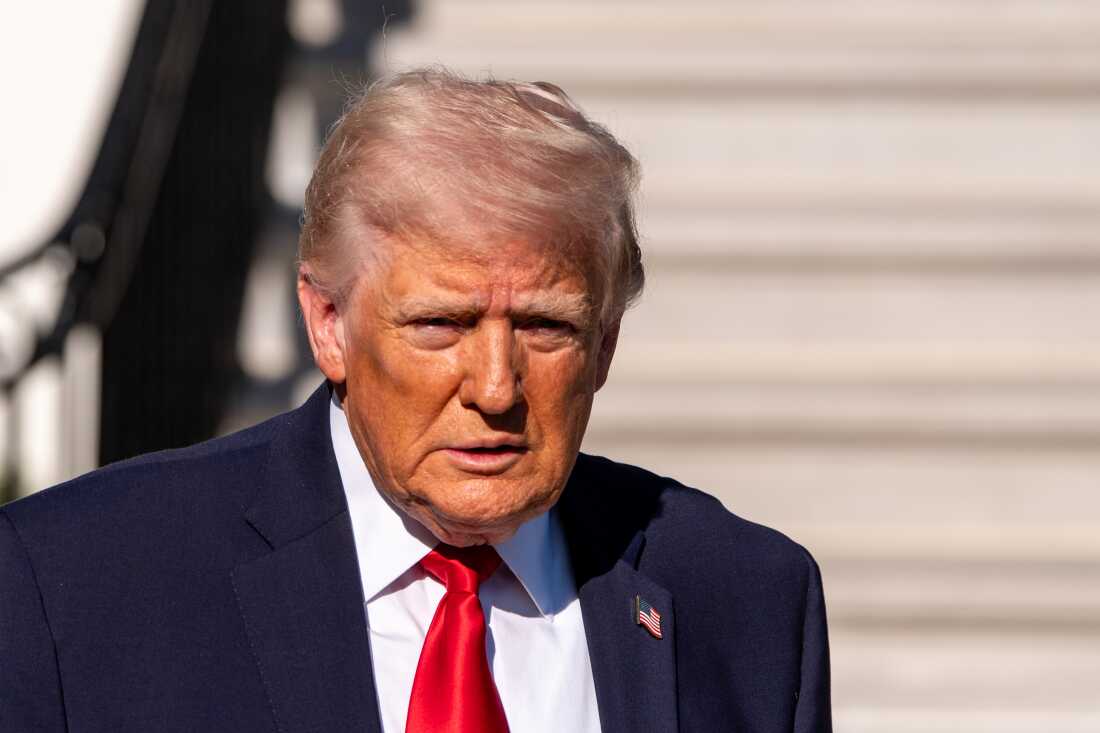
A federal judge has dismissed a $10 billion defamation lawsuit filed by President Donald Trump against The Wall Street Journal and media executive Rupert Murdoch, marking a significant legal development in an ongoing dispute over reporting tied to Jeffrey Epstein. The ruling underscores the high legal threshold required in defamation cases involving public figures and raises broader questions about press freedom and political litigation.
The case stemmed from a report that revisited Trump’s past association with Epstein, including references to a controversial letter allegedly linked to Trump. While the president strongly denied the claims, the court determined that the legal arguments presented were insufficient to proceed under current standards.
Court Finds Lack of доказable Malice in Defamation Claim
In his ruling, the federal judge concluded that Trump had not adequately demonstrated that the publication acted with actual malice, a critical requirement in defamation cases involving public officials. Under U.S. law, plaintiffs must show that a statement was made with knowledge of its falsity or with reckless disregard for the truth.
Legal standards governing defamation are rooted in longstanding Supreme Court precedent, which can be explored in detail at https://www.oyez.org, a platform that provides accessible explanations of major constitutional rulings.
The judge noted that while disputes remain over key factual elements—such as authorship of the letter and the nature of Trump’s relationship with Epstein—those questions alone are not sufficient to establish defamation without clear evidence of malicious intent.
Importantly, the dismissal was issued without prejudice, meaning Trump has the opportunity to file an amended complaint if he can present stronger legal arguments or additional evidence.
Legal and Political Implications of the Ruling
The decision represents a setback for Trump’s broader legal strategy, which has included multiple lawsuits targeting media organizations over coverage he considers inaccurate or damaging. Critics argue that such actions may have a chilling effect on investigative journalism, while supporters contend they are necessary to hold media outlets accountable.
Defamation law in the United States has consistently favored protections for the press, particularly when reporting on public figures. Resources such as https://www.law.cornell.edu provide comprehensive overviews of these protections and the legal standards applied in similar cases.
The ruling also highlights the challenges public officials face when attempting to litigate disputes with major news organizations. Courts often emphasize the importance of safeguarding open debate and ensuring that journalists can report on matters of public interest without undue legal pressure.
Ongoing Debate Over Media Accountability and Press Freedom
The case has reignited discussions about the balance between media accountability and freedom of the press. While news organizations maintain that rigorous reporting is essential to democracy, critics argue that errors or unverified claims can cause lasting reputational harm.
Organizations focused on journalism standards, such as https://www.poynter.org, continue to examine how media outlets can maintain accuracy and credibility while navigating complex and sensitive topics.
Meanwhile, public trust in media remains a central issue. Research and analysis available at https://www.pewresearch.org indicate that perceptions of media reliability are deeply divided along political lines, influencing how such legal disputes are interpreted by the public.
As Trump considers whether to amend and refile his complaint, the case is likely to remain part of a broader national conversation about the role of the press, the limits of defamation law, and the intersection of media and politics in the United States.